
Top Tips for Minimizing Scars Post-Breast Reduction Surgery
Top Tips for Minimizing Scars Post-Breast Reduction Surgery

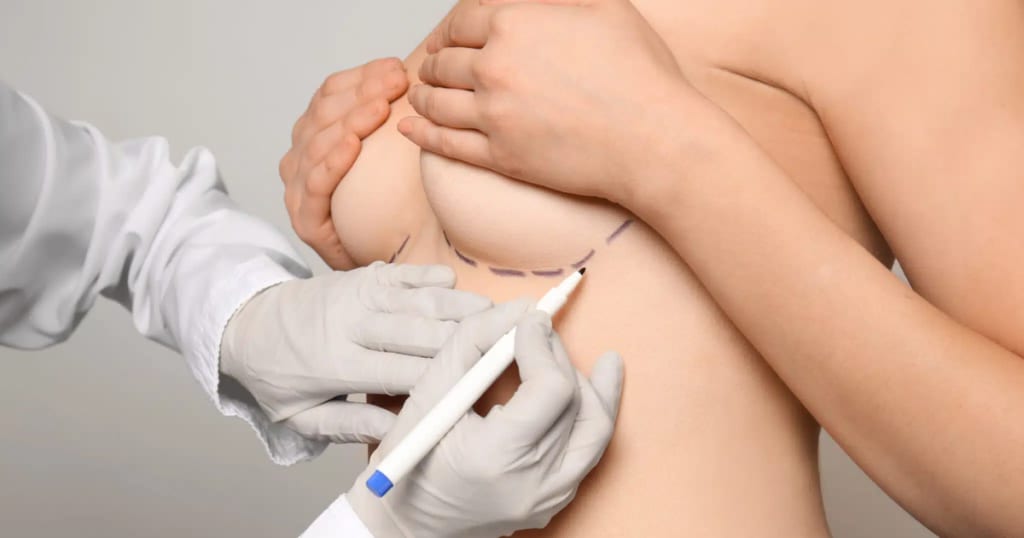
Breast reduction surgery, or reduction mammoplasty, is a transformative procedure that can drastically improve both the aesthetic appearance and physical comfort of individuals with overly large breasts. However, like any surgical procedure, breast reduction comes with the potential for scarring. Understanding how to manage and minimize scars after surgery is critical for achieving the best possible cosmetic result and ensuring that your healing process goes smoothly. This article explores top tips for minimizing scars post-breast reduction surgery, with a particular focus on the role of medical tattooing in improving skin appearance.
Understanding Breast Reduction Surgery and Scarring
Breast reduction surgery is designed to reduce the size and volume of the breasts, often relieving physical symptoms such as back pain, neck strain, and skin irritation caused by overly large breasts. It involves removing excess tissue, fat, and skin, and reshaping the remaining tissue. The most common incisions used in breast reduction surgeries include the anchor incision (which goes around the areola, vertically down to the breast crease, and horizontally along the fold beneath the breast), and the lollipop incision (which eliminates the horizontal fold incision and uses a circular incision around the areola and a vertical one down the center of the breast).
While the main focus of the surgery is on reshaping the breasts, the incisions and their healing process can leave behind scars. These scars are an inevitable part of the healing process, but with the right care and techniques, they can be minimized significantly.
1. Follow Post-Surgical Care Instructions to the Letter
Following your surgeon’s instructions is the most crucial first step to minimizing scarring. Your plastic surgeon will provide specific guidelines for post-operative care, which may include:
- Wound Care: Keeping the surgical site clean and dry is essential for preventing infection. This involves regularly changing dressings and using prescribed antiseptic solutions as directed.
- Scar Massage: Once your scars have fully healed, gentle massage can help break down the tissue and prevent the formation of thick, raised scars (keloids).
- Avoiding Sun Exposure: Newly formed scars are especially vulnerable to UV damage, which can cause them to darken and become more noticeable. Wearing sunscreen or covering your scars with clothing is essential to protect them from sun exposure.
2. Use Silicone Gel Sheets and Creams
Silicone-based products, such as silicone gel sheets and silicone ointments, are among the most popular and effective treatments for reducing the appearance of scars. These products help to hydrate the scar tissue, reduce the size and discoloration of the scar, and encourage a flatter, softer texture. Research has consistently shown that silicone gel sheets can significantly improve the appearance of scars when used correctly.
The gel sheets are typically worn over the scar for several hours a day, starting a few weeks after surgery. The sheets should be applied gently, and consistent use over time is key to seeing the best results. For best outcomes, it’s important to start using silicone sheets once the incisions have fully closed and healed.
3. Consider Medical Tattooing for Scar Camouflage
One of the most advanced and effective options for improving the appearance of post-surgical scars, especially those in sensitive areas like the areola, is medical tattooing. This procedure involves the use of specially designed tattooing techniques to pigment and camouflage scars, stretch marks, and other skin imperfections. For individuals who have undergone breast reduction surgery, medical tattooing can help blend scars into the surrounding skin tone, making them less noticeable and more aesthetically pleasing.
How Does Medical Tattooing Work?
Medical tattooing for scars involves applying a custom pigment to the area surrounding the scar. The pigment is carefully matched to your natural skin tone to create a seamless, realistic appearance. For areola-related scarring, the tattoo can also recreate a natural-looking areola if the reduction surgery has altered its appearance. For a more detailed understanding of this process, you can learn more about areola and scar camouflage here: Elevate You Studio Areola & Scar Camouflage.
The procedure is typically performed in a clinic by an experienced medical tattoo artist, and the results are long-lasting. Medical tattooing can significantly improve the appearance of scars, particularly for individuals who have not had optimal results with other scar treatments.
4. Keep the Scar Moisturized
Moisturizing the scar site is another effective way to promote healing and minimize the appearance of scars. Applying a nourishing ointment or oil like vitamin E, coconut oil, or bio-oil can prevent the skin from drying out and becoming tight, which can lead to the formation of prominent scars. These products have been shown to improve skin elasticity and promote collagen production, both of which are important for healing wounds without excessive scarring.
Massage the moisturizer gently into the scar once the wound has fully healed. Be sure to avoid harsh chemicals or fragrances in the creams, as they can irritate sensitive skin and make scarring worse.
5. Consider Laser Therapy for Scar Reduction
For individuals with more pronounced scars, especially hypertrophic or keloid scars, laser therapy is a popular treatment option. Laser treatments use focused light to break down scar tissue and promote the production of healthy skin. Over time, this can reduce the size, color, and texture of scars.
The most commonly used lasers for scar reduction are fractional CO2 lasers, which target the outer layers of the skin while leaving the surrounding tissue intact. Depending on the severity of the scar, multiple sessions may be required for optimal results. It’s important to consult with a dermatologist or plastic surgeon specializing in laser treatments to determine the best approach for your unique situation.
6. Be Patient and Give Your Scars Time to Heal
Scarring is a natural part of the healing process after surgery, and it’s important to be patient with your body as it heals. Scars can take up to a year or more to fully mature, and their appearance can change over time. In the first few months, scars may appear red, raised, or swollen, but as time goes on, they will likely flatten out and fade in color.
During this period, avoid being too harsh on the scar tissue. Refrain from picking at or scratching your scars, as this can interfere with the healing process and lead to more visible scarring. Patience and proper aftercare are essential for minimizing the long-term visibility of your scars.
7. Use Scar-Reducing Products with Caution
There are various over-the-counter products that claim to reduce the appearance of scars, such as scar gels, silicone creams, and medical-grade bandages. While many of these products can be helpful, it’s important to choose those that are specifically formulated for post-surgical scars. Always check with your surgeon or dermatologist before applying any new products to ensure they are safe for use on your healing skin.
Conclusion: Empowering Your Post-Surgery Journey
Minimizing scars after breast reduction surgery requires a combination of professional care, at-home treatments, and patience. By following your surgeon's instructions, utilizing silicone gel sheets, considering medical tattooing, and incorporating other scar-reducing strategies, you can significantly improve the appearance of scars and enjoy the physical and aesthetic benefits of your surgery.
Medical tattooing, in particular, has emerged as a powerful option for those looking to camouflage scars and enhance their skin’s appearance after breast reduction surgery. For more information on medical tattooing and how it can help you, consider visiting Elevate You Studio for expert advice and services.
About the Creator
Elevate You Studio
My name is Gina, I am specialized in tattooing on compromised skin such as scars and stretchmarks to improve their appearance using the latest micro-pigmentation tattoo technique.
https://www.elevateyoustudio.com
Keep reading
More stories from Elevate You Studio and writers in 01 and other communities.
The Truth About Scar Treatment Timing: Why Waiting 45 to 60 Days is Crucial
Scarring is an unfortunate reality for many people after injury, surgery, or skin conditions like acne. Whether caused by a burn, surgery, or even a traumatic injury, scars can often be a reminder of the past. While some may fade with time, others remain as visible marks, affecting an individual’s self-esteem and confidence. In recent years, medical tattooing, also known as scar camouflage or micropigmentation, has emerged as a popular treatment to help reduce the appearance of scars and stretch marks. However, one of the most critical factors when considering this treatment is timing. Specifically, the 45 to 60-day window post-injury or surgery plays a crucial role in achieving the best possible outcome for scar camouflage.
By Elevate You Studio12 months ago in 01
Why Businesses Need Legacy Application Modernization Services in 2026
Digital transformation is no longer optional for modern organizations. As businesses adopt cloud computing, AI automation, cybersecurity frameworks, and scalable digital platforms, many companies still rely on outdated legacy software systems built years or even decades ago. While these systems once supported business growth, they now limit innovation, increase operational risks, and create security vulnerabilities.
By keith laurance3 days ago in 01




Comments
There are no comments for this story
Be the first to respond and start the conversation.