
The Truth About Scar Treatment Timing: Why Waiting 45 to 60 Days is Crucial
The Truth About Scar Treatment Timing: Why Waiting 45 to 60 Days is Crucial

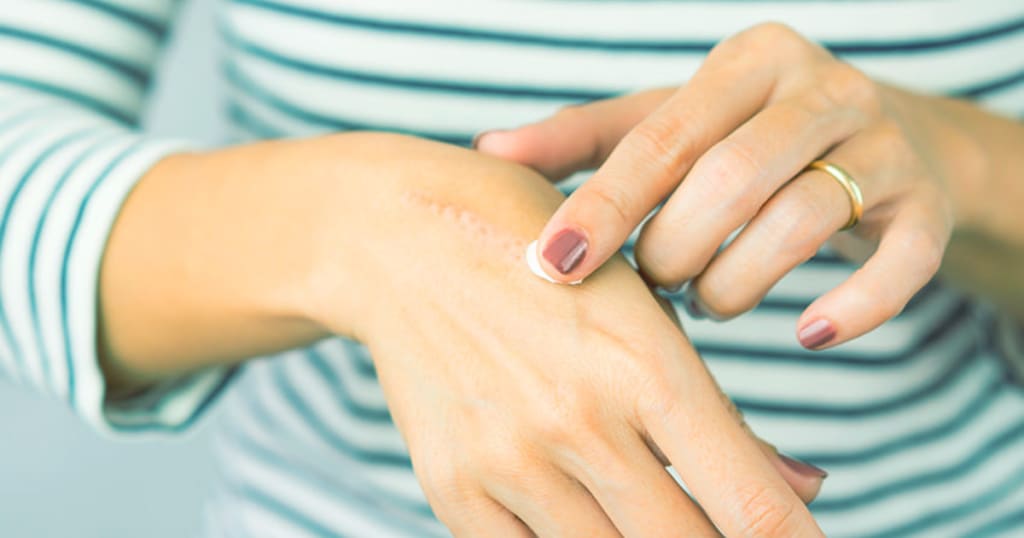
Scarring is an unfortunate reality for many people after injury, surgery, or skin conditions like acne. Whether caused by a burn, surgery, or even a traumatic injury, scars can often be a reminder of the past. While some may fade with time, others remain as visible marks, affecting an individual’s self-esteem and confidence. In recent years, medical tattooing, also known as scar camouflage or micropigmentation, has emerged as a popular treatment to help reduce the appearance of scars and stretch marks. However, one of the most critical factors when considering this treatment is timing. Specifically, the 45 to 60-day window post-injury or surgery plays a crucial role in achieving the best possible outcome for scar camouflage.
In this article, we’ll explore why waiting 45 to 60 days before undergoing scar camouflage treatment is essential, how scars heal over time, and how medical tattooing can be used as a powerful tool in scar treatment. For more information about how scar camouflage works and what to expect, visit Scar Camouflage Services.
Understanding Scar Healing: The Essential 45 to 60 Day Window
When the skin experiences trauma, whether due to a cut, burn, surgery, or acne, it undergoes a complex healing process. This process can be broken down into three key stages: inflammation, proliferation, and maturation.
Stage 1: Inflammation (0-5 days)
During this first stage, your body works to stop the bleeding and prevent infection. The area around the wound becomes red, swollen, and warm as blood vessels expand to deliver nutrients to the injured tissue. The inflammatory phase is necessary for tissue repair, and it sets the stage for new tissue formation.
Stage 2: Proliferation (5 days to 3 weeks)
This phase involves the creation of new tissue. The body begins to form collagen, which helps in building the structure of the new skin. A scab forms to protect the wound, and as healing progresses, new skin cells fill in the gap where the injury occurred. The scar in this stage may still appear raised and red, but it's beginning to take shape.
Stage 3: Maturation (3 weeks to 1 year or longer)
The maturation phase is the longest, with scar tissue continuing to strengthen and remodel over time. In this stage, collagen fibers realign and become more organized, and the scar gradually fades. The scar may remain visible but often becomes paler and flatter. However, it's important to note that the full maturation of a scar can take months, and in some cases, even years.
Why Timing Matters: The Role of Collagen and Skin Texture
Collagen plays a crucial role in the formation and appearance of scars. During the proliferation phase, the body produces large amounts of collagen to fill the gap where the injury occurred. In the early days of healing, the collagen fibers are laid down in a haphazard manner. Over time, as the scar matures, the fibers become more organized and aligned, leading to a more refined and less noticeable scar.
However, if scar camouflage treatments, such as medical tattooing, are performed too early—before the maturation phase is complete—the scar might still be too raised, thick, or uneven for optimal pigment absorption. Not only does this impact the appearance of the final result, but it can also lead to complications such as pigment distortion, as the skin will continue to shift and change during the maturation process.
By waiting 45 to 60 days after an injury or surgery, the scar enters a more stable stage in its healing process, allowing for better results in scar camouflage treatments.
Medical Tattooing: A Non-Invasive Solution to Scar Camouflage
Medical tattooing, or micropigmentation, involves the use of specialized pigments to match the color of the surrounding skin and reduce the visibility of scars. This technique is often used for scars resulting from surgery, trauma, burns, or stretch marks.
Scar camouflage tattooing works by layering tiny pigment deposits into the dermis (the second layer of the skin), blending the scar tissue with the surrounding skin tone. A well-executed scar camouflage treatment can provide incredible results, significantly improving the appearance of scars and helping individuals feel more confident in their skin.
However, timing is critical to achieving the best possible outcome. The procedure involves placing pigments into compromised skin, which is still in the process of healing and restructuring. As mentioned earlier, the body’s collagen fibers take time to stabilize, and premature tattooing can interfere with this delicate process.
The Risks of Early Scar Camouflage
Undergoing scar camouflage too soon can have several undesirable consequences. Here are some of the key risks associated with early treatment:
1. Inconsistent Healing
As the skin continues to heal, it can shift and change, making it difficult to achieve uniform results with medical tattooing. Tattooing too early may result in pigment that doesn’t match the surrounding skin, or worse, the tattooed pigments might become distorted as the skin heals.
2. Infection
Tattooing on an unhealed wound or compromised skin can introduce bacteria into the skin, increasing the risk of infection. Even if the wound has closed, the underlying tissue may still be sensitive and vulnerable.
3. Pigment Migration
When the skin is still healing and undergoing changes, there’s a risk that the tattooed pigment can migrate into the surrounding skin. This leads to a blurred or unclear tattoo, reducing its effectiveness and causing uneven pigmentation.
4. Increased Scar Tissue Formation
Tattooing on newly-formed scar tissue could cause further irritation or inflammation, potentially resulting in the formation of keloids (raised, thick scars) or hypertrophic scars (scars that become thick and red). This can make the scar more pronounced instead of improving its appearance.
5. Suboptimal Results
Ultimately, premature scar camouflage treatment will likely result in suboptimal results. As the skin continues to heal, the pigments might not settle correctly, leading to inconsistent coloration and texture. This can necessitate multiple touch-ups, increasing the cost and time involved.
The Benefits of Waiting 45 to 60 Days
Waiting 45 to 60 days after injury or surgery allows the scar to enter a more stable phase of healing, making it the ideal time for medical tattooing. Here are some of the key benefits of waiting:
1. Stable Skin Texture
By this point, the skin has begun to remodel itself, and collagen fibers are starting to organize. The skin becomes less sensitive, allowing for a more precise application of pigments.
2. Reduced Risk of Infection
Waiting gives the wound time to fully close, reducing the risk of infection that could result from tattooing over an unhealed scar. The skin becomes more resilient and better able to handle the tattooing process.
3. Better Pigment Retention
Once the skin is in a more stable state, the pigments are more likely to stay where they are placed. This leads to longer-lasting results and fewer touch-ups.
4. Improved Overall Results
When performed at the right time, medical tattooing can significantly improve the appearance of scars, creating a more even skin tone and helping to mask the scar's visibility. The 45 to 60-day window ensures the best results in terms of both aesthetics and long-term durability.
The Role of Professional Scar Camouflage Artists
While the timing of scar camouflage treatments is critical, it’s equally important to seek out a trained and experienced professional for the procedure. Scar camouflage requires specialized knowledge of skin anatomy, color theory, and the nuances of working with compromised skin.
At Elevate You Studio, skilled professionals understand the delicate nature of scar treatment and use advanced techniques to ensure safe, effective results. Their experts can guide you through the healing process and advise you on the best time to undergo treatment for optimal outcomes.
Conclusion
While scars may be a permanent reminder of past trauma, they don’t have to be permanent in appearance. Medical tattooing offers an effective solution for those seeking to improve the look of their scars, but timing is everything. Waiting 45 to 60 days after the injury or surgery allows the skin to heal adequately, ensuring the best results in scar camouflage treatment.
By understanding the healing process and the importance of waiting for the scar to stabilize, you can make an informed decision about when to pursue this treatment. In the end, the patience you exercise during the healing process will result in a more refined and effective outcome, helping you feel confident and comfortable in your own skin.
About the Creator
Elevate You Studio
My name is Gina, I am specialized in tattooing on compromised skin such as scars and stretchmarks to improve their appearance using the latest micro-pigmentation tattoo technique.
https://www.elevateyoustudio.com
Keep reading
More stories from Elevate You Studio and writers in 01 and other communities.
Camouflage Tattoos for Scars: How to Blend Ink with Your Skin Tone
Scars are marks of life’s experiences—some are reminders of resilience, while others might be a source of insecurity. For those looking to heal not just physically but emotionally as well, camouflage tattoos offer a unique solution. These tattoos, specifically designed to blend with a person’s natural skin tone, can effectively cover scars, stretch marks, and other skin imperfections, allowing people to reclaim their confidence. In this article, we will explore how camouflage tattoos work, the science behind their creation, and how these tattoos can seamlessly blend ink with your skin tone.
By Elevate You Studio11 months ago in 01
Cracking a Gmail Account: Here Are the Hackers’ Methods
Every year, millions of Gmail accounts fall victim to cyberattacks, exposing personal, professional, and financial data to critical risks. According to Google’s annual security report, over 100,000 accounts are reported as compromised each month — and this figure represents only a fraction of actual incidents.
By Alexander Hoffmann4 days ago in 01
Saudi Arabia Outdoor LED Lighting Market Size and Forecast 2025–2033
Saudi Arabia Outdoor LED Lighting Market at a Glance The Saudi Arabia Outdoor LED Lighting Market is expected to reach US$ 957.4 million by 2033, rising from US$ 318.96 million in 2024, registering a strong CAGR of 12.99% during 2025–2033. This expansion is primarily driven by large-scale infrastructure development, mega smart-city projects such as NEOM, The Line, and Qiddiya, and the country’s accelerating transition toward energy-efficient and sustainable lighting systems. Supportive government regulations, declining LED prices, and growing public awareness about energy conservation are further strengthening market momentum.
By Renub Research3 days ago in 01
Wild Card Weekend Recap: What Happens Now?
I think I figured out why I love Wild Card Weekend so much. It's because it's the first playoff anything of the calendar year. The NFL season starts in the fall, and once upon a time, the champion was crowned either on or slightly before New Year's. The evolution of the NFL schedule has resulted in the playoffs starting just into the New Year, and currently, the final week of the season falls on the first weekend of the New Year, with Wild Card Weekend coming a week after that. So yes, chronologically, the NFL's Wild Card Weekend serves as the first playoff anything of the calendar year.
By Clyde E. Dawkins6 days ago in Unbalanced



Comments (1)
Scar treatment is good. Medical tattooing sounds awesome