
Top Issues in Kitchen Fire Suppression Systems and Fixes
Issues in Kitchen Fire Suppression Systems

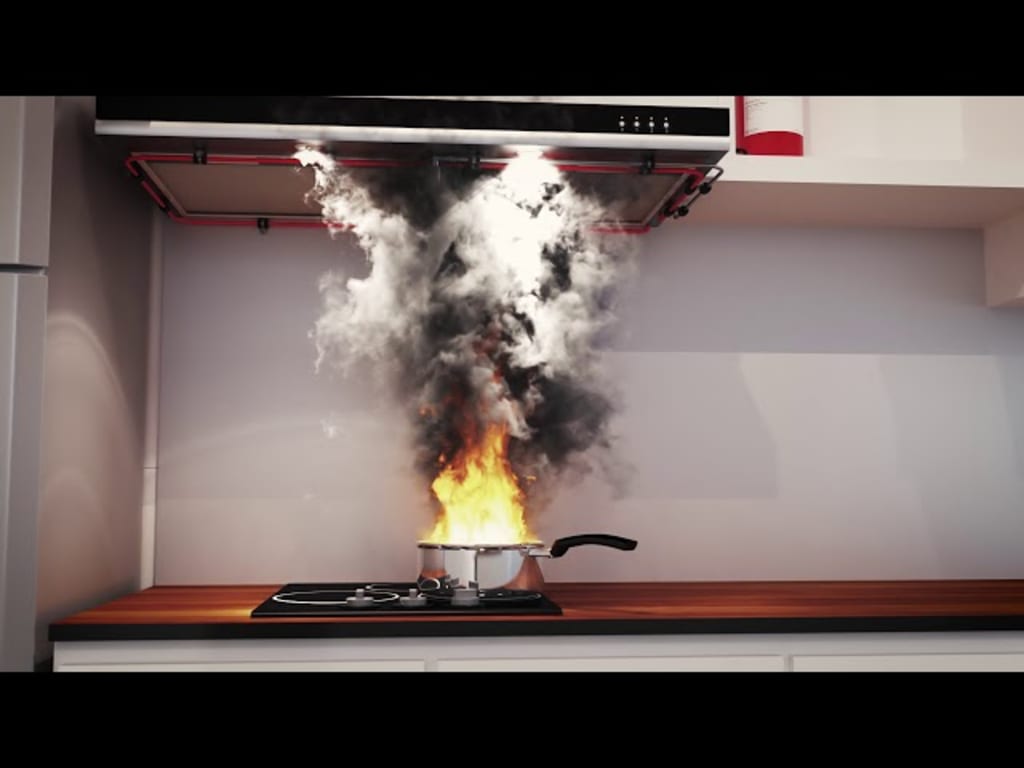
Kitchen fire suppression systems are vital for maintaining safety in commercial kitchens. They are designed to detect fires quickly and suppress them before they spread, preventing major damage and potential loss of life. These systems work by targeting the Fire Triangle, which consists of heat, fuel, and oxygen. When one or more of these elements are removed, a fire is extinguished. However, like all systems, kitchen fire suppression systems can experience issues that hinder their performance. Regular maintenance and quick fixes can address most of these problems, ensuring the safety of kitchen operations.
In this article, we will explore the most common issues that affect kitchen fire suppression systems and provide practical solutions to prevent system failures. Whether you are a restaurant owner, facility manager, or kitchen operator, knowing these issues and how to fix them is essential for keeping your kitchen safe.
1. Clogged or Blocked Nozzles
Issue Overview
One of the most frequent issues with kitchen fire suppression systems is clogged or blocked nozzles. These nozzles are responsible for spraying the fire suppressant onto the cooking area in the event of a fire. If these nozzles become blocked by grease, dust, or other debris, the suppressant cannot be effectively dispersed, which can result in a failed suppression system.
Solution
To avoid this problem, regular inspection and cleaning of the nozzles are necessary. Ensure that the kitchen fire suppression system is serviced by a qualified technician who will clean or replace nozzles as needed. In addition, consider installing grease filters or traps around the nozzles to reduce the buildup of debris.
2. System Activation Failure
Issue Overview
Another common issue is a failure to activate the fire suppression system when needed. This can occur due to several factors, including faulty sensors, damaged wiring, or expired components. The Fire Triangle requires that all three elements—heat, fuel, and oxygen—be present for a fire to start. If the system fails to activate when heat levels rise, the fire will not be suppressed in time.
Solution
Routine testing and inspections are crucial for preventing activation failures. Ensure that sensors, wiring, and other system components are checked for proper functionality. A reliable kitchen fire suppression system should include manual activation options as well, in case of sensor malfunction. Replacing expired components and performing a full system check-up will help keep the system operational.
3. Inadequate Suppression Coverage
Issue Overview
A kitchen fire suppression system may not provide sufficient coverage if it is improperly designed or has been altered over time. For instance, the system might not cover all cooking appliances or high-risk areas like deep fryers, grills, or ovens. This leaves certain areas vulnerable, and in the event of a fire, the suppression agent may not reach the source quickly enough to stop the flames from spreading.
Solution
Ensure that the fire suppression system is correctly sized and installed according to your kitchen layout. A certified technician from N8 Fire and Safety should assess the kitchen regularly to ensure that all potential fire hazards are covered. System upgrades or reconfigurations may be necessary to address any gaps in coverage, especially if your kitchen has undergone renovations or added new cooking equipment.
4. Expired Fire Suppressant Chemicals
Issue Overview
Like all fire safety equipment, the chemicals used in a kitchen fire suppression system can expire or lose effectiveness over time. When this happens, the system might fail to suppress a fire, allowing it to spread unchecked. Fire suppressant chemicals, such as wet chemicals or dry agents, should be replaced according to the manufacturer’s guidelines.
Solution
To ensure your system is always ready, schedule regular inspections to check the expiration dates and effectiveness of the fire suppressant chemicals. N8 Fire and Safety provides professional services to replace expired chemicals and refill suppression systems as needed. It is also important to document the replacement schedule for easy reference.
5. Corroded or Damaged Pipes
Issue Overview
Corrosion or physical damage to the pipes that distribute the fire suppressant can lead to a failure in the system. Rust, leaks, or cracks in the pipes can compromise the entire system, preventing the suppression agent from reaching the designated areas. This is a particularly common problem in kitchens with high humidity or exposure to cooking oils and chemicals.
Solution
Inspect the pipes regularly for signs of corrosion, leaks, or wear and tear. If damage is detected, repair or replace the pipes as soon as possible. Regular cleaning and maintenance can prevent the buildup of corrosive materials that cause long-term damage to the system.
6. Electrical or Power Failures
Issue Overview
Power issues can affect the electronic components of the kitchen fire suppression system. This includes sensors, alarms, and automatic release mechanisms. If there is a power failure or a short-circuit in the system, it may not function when needed. Even if the system is mechanically sound, a lack of power can prevent it from being activated.
Solution
Ensure that your kitchen fire suppression system is connected to a reliable power source. Use surge protectors or backup power systems to safeguard against electrical failures. In addition, schedule routine inspections to check for any electrical issues or faulty connections.
7. Faulty or Improperly Installed System Components
Issue Overview
A poorly installed or incorrectly configured fire suppression system can lead to a variety of issues, such as improper chemical discharge, faulty nozzles, or ineffective coverage. Inaccurate installation can also affect the operation of heat detectors, pressure gauges, and other essential components of the system.
Solution
Ensure that your fire suppression system is installed by certified professionals who follow all manufacturer guidelines and local regulations. If the system was installed years ago and has not been updated, it might be time for an inspection and a potential upgrade. A professional inspection can identify installation issues and recommend fixes to improve system performance.
8. Lack of Regular Maintenance and Inspections
Issue Overview
Failure to conduct regular maintenance and inspections can lead to numerous problems in a kitchen fire suppression system. Over time, components can wear out, and dirt or grease buildup can obstruct system functionality. Without routine inspections, small issues can escalate into major failures.
Solution
To avoid costly repairs or catastrophic failures, establish a regular maintenance schedule for your kitchen fire suppression system. This should include a comprehensive inspection of all system components, including nozzles, pipes, sensors, and chemicals. It is advisable to work with an expert provider like N8 Fire and Safety to ensure the system is thoroughly maintained and always ready to perform in an emergency.
Conclusion
Kitchen fires can be devastating, but with the proper fire suppression system in place and regular maintenance, you can significantly reduce the risk of a fire spreading and causing extensive damage. Identifying and addressing common issues such as clogged nozzles, faulty activation, and expired chemicals can ensure that your kitchen fire suppression system performs as expected when you need it most.
By following the recommended solutions for these common problems, you can keep your kitchen safe, compliant, and prepared for emergencies. Don't overlook regular inspections and maintenance, and always ensure that your system is functioning optimally to protect your staff, equipment, and property. A fire protection company can help you stay proactive by providing expert maintenance and inspections, ensuring your fire suppression system remains reliable and up to code.
About the Creator
Keep reading
More stories from Helen Marshall and writers in 01 and other communities.
Vape Safety Tips: Ensuring a Safe and Enjoyable Experience
Vaping is a popular alternative to traditional smoking, offering a variety of flavours and devices designed to suit different preferences. However, just like any other product, using vapes requires a level of responsibility to ensure safety and a satisfying experience. In this guide, we'll explore essential vape safety tips, focusing on best practices to help you enjoy your vape while minimizing risks. From choosing the right device to storing it properly, these tips will ensure that your vaping journey remains safe and enjoyable.
By Helen Marshallabout a year ago in 01
Multi-Chain Interoperability in RWA Tokenization
Real-world asset tokenization is changing how we own, trade, and manage physical and financial assets. From real estate and gold to bonds and invoices, almost anything valuable can now be converted into digital tokens on a blockchain.
By Matthew Haws6 days ago in 01
Understanding WS2813 LED Strips and LED Strip Light Technology
LED strip lighting is a widely used lighting format found in residential, commercial, and creative environments. Its thin profile, flexibility, and low power requirements have made it suitable for applications where traditional fixtures are impractical. Over time, LED strip light technology has evolved to include more advanced control methods, including digitally addressable systems such as WS2813.
By charliesamuel7 days ago in 01


Comments
There are no comments for this story
Be the first to respond and start the conversation.