
Top Challenges and How to Overcome Them on the Phulara Ridge Trek
Phulara Ridge Trek

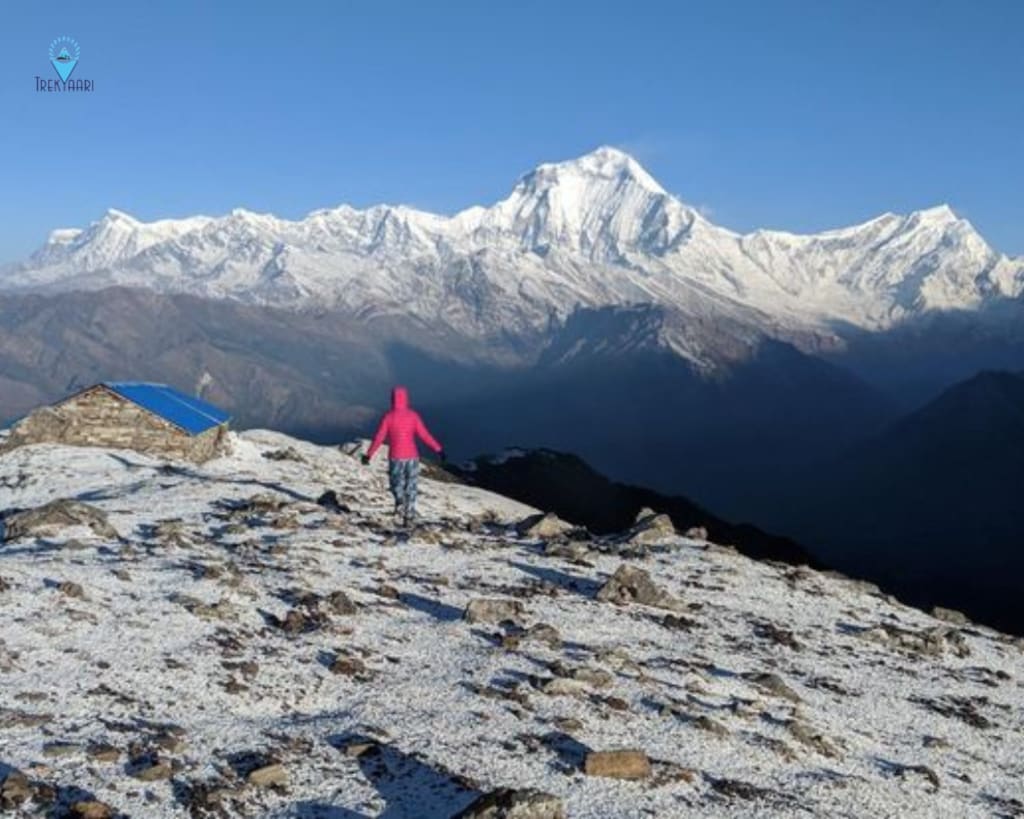
Trekking is one of the most fulfilling ways to connect with nature, and the Phulara Ridge Trek offers an exceptional experience for both novice and seasoned trekkers. Nestled in the Western Himalayas, this trek is known for its panoramic views, vibrant meadows, and the unique ridge walk that sets it apart from other treks in the region. However, like any high-altitude trek, it presents a fair share of challenges. In this article, we’ll explore the top challenges you might face on the Phulara Ridge Trek and provide practical tips on how to overcome them.
Understanding the Phulara Ridge Trek
Before diving into the challenges, it's essential to understand what makes the Phulara Ridge Trek so special. This trek is a moderate-level trek in Uttarakhand, stretching over approximately 20 kilometers and reaching an altitude of around 12,127 feet. The trek typically takes about 6 to 7 days to complete, offering a mix of dense forests, expansive meadows, and the exhilarating ridge walk that provides 360-degree views of the surrounding peaks.
The beauty of this trek lies in its diverse landscapes and the sense of solitude it offers, as it is relatively less crowded compared to other treks in the region. But with great beauty comes challenges, and preparing for these is crucial for a safe and enjoyable trekking experience.
Acclimatization and Altitude Sickness
Understanding the Risk of Altitude Sickness
Altitude sickness is a common challenge faced by trekkers on the Phulara Ridge Trek. As you ascend to higher altitudes, the air becomes thinner, meaning there's less oxygen available. This can lead to symptoms such as headaches, nausea, dizziness, and shortness of breath, which, if not managed properly, can develop into more severe conditions like Acute Mountain Sickness (AMS).
How to Overcome It
Gradual Ascent: To minimize the risk of altitude sickness, ensure that your ascent is gradual. The Phulara Ridge Trek is designed with this in mind, allowing trekkers to acclimatize naturally. Don’t rush through the trek; take your time to let your body adjust to the altitude.
Stay Hydrated: Drinking plenty of water helps your body adapt to the high altitude. Avoid alcohol and caffeine, as these can contribute to dehydration.
Medication: Consult with your doctor about taking Diamox (Acetazolamide), which can help prevent altitude sickness. However, it’s not a substitute for proper acclimatization.
Listen to Your Body: If you start feeling unwell, it’s important to rest and allow your body to recover. Don’t push through severe symptoms; if necessary, descend to a lower altitude.
Challenging Terrain and Ridge Walk
Navigating the Ridge
One of the most thrilling yet challenging parts of the Phulara Ridge Trek is the ridge walk. This section of the trek involves walking along a narrow ridge with steep drops on either side. While the views are breathtaking, the exposure to high winds and the narrow path can be intimidating.
How to Overcome It
Stay Focused: During the ridge walk, it’s crucial to stay focused and take each step carefully. Avoid distractions and maintain a steady pace.
Proper Footwear: Invest in good-quality trekking boots with a strong grip. This will give you the confidence to navigate the rocky and sometimes slippery terrain of the ridge.
Use Trekking Poles: Trekking poles can provide added stability, especially on the ridge. They help in balancing and reducing the strain on your knees and ankles.
Follow the Guide: Always stick close to your guide or group during the ridge walk. The guides are experienced in these terrains and can help you navigate safely.
Unpredictable Weather Conditions
Understanding the Weather on the Trek
The weather in the Himalayas is notoriously unpredictable. On the Phulara Ridge Trek, you can experience sudden changes in weather, from bright sunshine to snow or rain within a matter of hours. This can make the trek more challenging, especially if you're not properly equipped.
How to Overcome It
Layering: Dressing in layers is the key to dealing with unpredictable weather. Start with moisture-wicking base layers, add insulating layers for warmth, and finish with a waterproof and windproof outer layer.
Check the Forecast: While it’s impossible to predict the weather with complete accuracy, checking the forecast before you set out each day can help you prepare. Your trek leader will also provide updates on weather conditions.
Pack Smart: Always carry rain gear, extra socks, and gloves. Even if the weather looks clear in the morning, conditions can change rapidly, and being prepared can make a big difference.
Start Early: Begin your trek early in the morning to avoid afternoon thunderstorms, which are common in the mountains.
Physical Fitness and Endurance
The Demands of the Trek
The Phulara Ridge Trek is classified as a moderate trek, but it does require a good level of physical fitness. The trek involves long walking hours, steep ascents and descents, and dealing with the effects of high altitude, all of which can be physically demanding.
How to Overcome It
Pre-Trek Training: Start preparing for the trek at least a couple of months in advance. Focus on building your cardiovascular endurance, leg strength, and core stability. Activities like jogging, cycling, and stair climbing are excellent ways to prepare.
Practice Trekking: If possible, go on shorter treks before attempting the Phulara Ridge Trek. This will help you get used to the demands of trekking and build your confidence.
Stretching and Flexibility: Incorporate stretching exercises into your routine to improve flexibility and reduce the risk of injuries during the trek.
Pace Yourself: On the trek, it’s important not to rush. Find a comfortable pace that allows you to maintain energy throughout the day.
Limited Connectivity and Isolation
Coping with Isolation
One of the reasons trekkers love the Phulara Ridge Trek is the sense of solitude it offers. However, this can also be a challenge for those used to staying connected. The trek route has limited to no mobile network coverage, and you’ll be cut off from the outside world for several days.
How to Overcome It
Mental Preparation: Understand that being disconnected is part of the experience. Use this time to fully immerse yourself in the natural beauty around you.
Inform Loved Ones: Before the trek, inform your family and friends about the lack of connectivity. This will prevent them from worrying and will allow you to enjoy the trek without distractions.
Engage with Fellow Trekkers: Use this opportunity to bond with your fellow trekkers. Sharing stories, playing games, and simply enjoying each other’s company can make the trek even more memorable.
Carry a Satellite Phone: If staying connected is crucial, consider carrying a satellite phone. This can be used in emergencies to reach out to the outside world.
Managing Food and Water Supplies
Food and Water Challenges
During the trek, access to food and clean drinking water is limited. While trekking companies usually provide meals, the variety might not be what you’re used to. Similarly, ensuring you have enough clean water throughout the trek is vital.
How to Overcome It
Carry Snacks: Bring along energy bars, nuts, dried fruits, and other snacks that provide a quick energy boost during the trek. These can be lifesavers on long trekking days.
Stay Hydrated: Always carry a refillable water bottle and a hydration system like a CamelBak. Use water purification tablets or a portable water filter to ensure the water you drink is safe.
Eat Wisely: Stick to simple, high-energy foods provided during the trek. Avoid overeating or trying new foods that your stomach might not be used to, as this can lead to digestive issues.
Dealing with the Cold
Understanding the Cold on the Trek
The temperature on the Phulara Ridge Trek can drop significantly, especially at night and in the early mornings. Staying warm is essential not just for comfort but also for safety, as prolonged exposure to cold can lead to hypothermia.
How to Overcome It
Proper Clothing: Invest in high-quality thermal wear, a down jacket, and warm accessories like gloves, hats, and neck gaiters. Keeping your core warm is key to maintaining overall body warmth.
Sleeping Gear: Ensure that your sleeping bag is rated for sub-zero temperatures. You can also carry a sleeping bag liner for extra warmth.
Warm Up Before Sleeping: Do a few light exercises before getting into your sleeping bag. This will raise your body temperature and help you stay warm through the night.
Hot Water Bottles: If available, use a hot water bottle in your sleeping bag. This can make a significant difference in keeping you warm during cold nights.
Wildlife Encounters
Encountering Wildlife on the Trek
The Phulara Ridge Trek passes through forests that are home to a variety of wildlife, including Himalayan black bears, leopards, and several species of birds. While most wildlife will avoid human contact, encounters are possible.
How to Overcome It
Stay Alert: Always be aware of your surroundings. Make noise while walking through dense forests to avoid surprising any animals.
Follow Guidelines: Your guide will provide instructions on what to do in case of a wildlife encounter. Follow these guidelines carefully to ensure your safety.
Avoid Solo Trekking: Stick with your group, especially in areas known for wildlife sightings. There’s safety in numbers.
Store Food Properly: Don’t leave food in your tent, as this can attract animals. Store it securely as advised by your guide.
Managing Waste and Eco-Friendly Practices
Environmental Challenges
One of the significant challenges on popular trekking routes is managing waste and minimizing your environmental impact. The Phulara Ridge Trek, being relatively pristine, requires trekkers to be particularly mindful of their ecological footprint.
How to Overcome It
Leave No Trace: Follow the principle of "Leave No Trace." Carry all your waste back with you and dispose of it properly once you return to a base camp or town.
Biodegradable Products: Use biodegradable soap, toothpaste, and other personal care items to minimize environmental harm.
Minimize Plastic Use: Avoid using single-use plastics. Carry a reusable water bottle, and if possible, pack food in eco-friendly containers.
Respect Nature: Stay on marked trails to avoid damaging the vegetation. Don’t pick plants or disturb wildlife.
Conclusion
The Phulara Ridge Trek is undoubtedly a rewarding experience, offering trekkers a chance to immerse themselves in the beauty and serenity of the Himalayas. However, to fully enjoy this adventure, it's essential to be prepared for the challenges that come with it. By understanding these challenges and following the tips provided, you can ensure a safer, more enjoyable trek, allowing you to focus on the breathtaking views and the unique experiences that only the Phulara Ridge Trek can offer.
About the Creator
Trekyaari
Trekyaari is the best trekking company in India offering comprehensive trekking, adventure, holiday tours, and expedition services. Explore the best of India's nature and culture with us!
The Stories We Tell With Flags: From Cycling Roads to Soccer Stadiums
Flags have existed for centuries, yet they still appear in some of the most ordinary moments of modern life. A small piece of fabric moving in the wind can communicate identity, caution, celebration, or belonging. While many people associate flags with nations or ceremonies, they also show up in places that feel far more personal—like a bicycle ride through a neighborhood or a crowded soccer match on a weekend evening.
By charliesamuel2 days ago in 01
Wedding Photography in Brisbane: An Informational Overview
Wedding photography is a specialized genre of photography focused on documenting one of the most significant personal events in many people’s lives. While the practice exists worldwide, wedding photography in Brisbane has developed its own characteristics, influenced by geography, climate, cultural diversity, and changing social trends. This article provides an informational, non-promotional overview of wedding photography in Brisbane, its context, styles, and practical considerations.
By charliesamuel2 days ago in 01


Comments (3)
So so amazing .i love your content and subscribed. Kindly reciprocate by subscribing to me also . thank you and keep it up
Thanks for sharing
Well written.