
Top Challenges to Expect on the Friendship Peak Expedition: A Comprehensive Guide
Friendship Peak Expedition

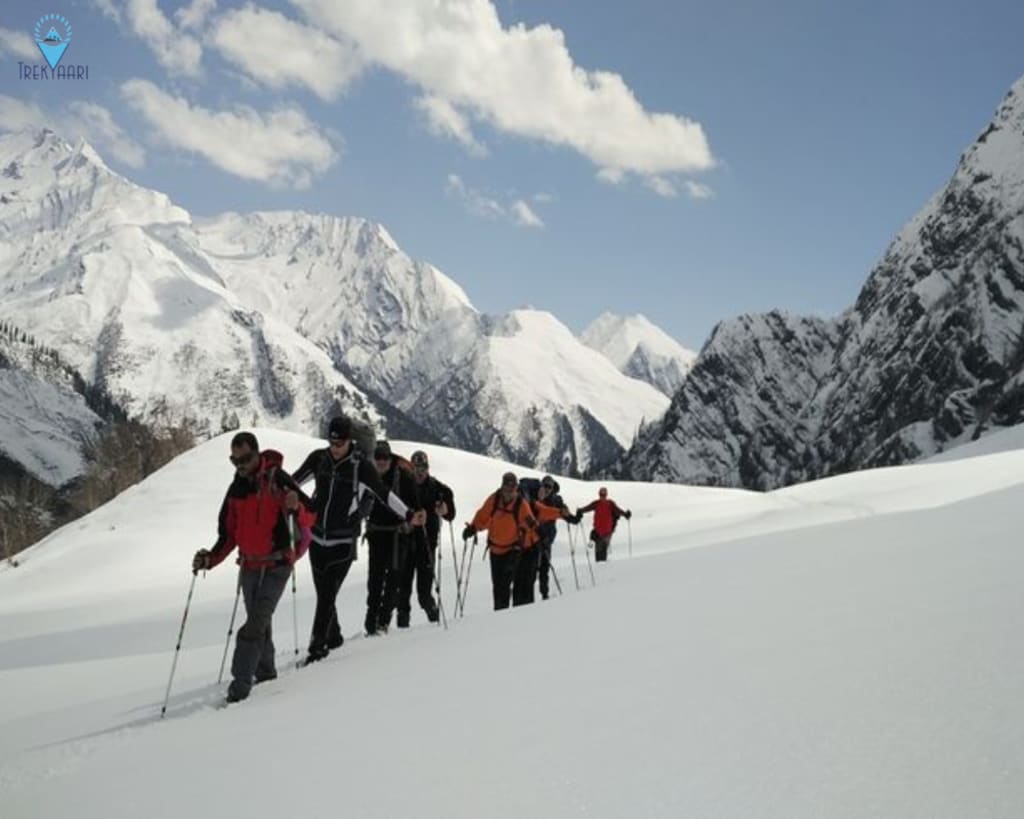
Embarking on the Friendship Peak Expedition is an exhilarating experience that promises adventure, breathtaking landscapes, and personal growth. However, it is not without its challenges. From the physical demands to unpredictable weather, each aspect of the climb presents its own set of obstacles. This guide aims to provide a comprehensive overview of the top challenges you can expect on the Friendship Peak Expedition, helping you prepare mentally and physically for this incredible journey.
Understanding Friendship Peak
What is Friendship Peak?
Friendship Peak is a towering mountain located in the Pir Panjal range of the Indian Himalayas. Standing at an elevation of 5,289 meters (17,352 feet), it is a popular destination for both novice and experienced climbers. The peak offers a relatively accessible yet thrilling climb, making it a favorite among trekking enthusiasts.
Significance of the Friendship Peak Expedition
The Friendship Peak Expedition is not just about reaching the summit; it's about the journey itself. It tests your endurance, resilience, and determination. The expedition provides an opportunity to experience the pristine beauty of the Himalayas, connect with fellow climbers, and achieve a sense of accomplishment.
Physical Challenges
Altitude Sickness
One of the primary challenges of the Friendship Peak Expedition is altitude sickness. As you ascend, the air becomes thinner, and the oxygen levels decrease, leading to symptoms such as headaches, nausea, dizziness, and shortness of breath. It's crucial to acclimatize properly to minimize the risk of altitude sickness.
Tips to Combat Altitude Sickness
Gradual Ascent: Increase your altitude gradually to give your body time to adjust.
Hydration: Drink plenty of water to stay hydrated and help your body adapt.
Rest: Take regular breaks to rest and recuperate.
Medication: Consider taking altitude sickness medication if prescribed by a doctor.
Physical Endurance and Stamina
Climbing Friendship Peak requires significant physical endurance and stamina. The trek involves long hours of walking on rugged terrain, often in harsh weather conditions. Preparing your body through regular exercise, strength training, and cardio workouts is essential.
Training for the Expedition
Cardio Workouts: Engage in activities like running, cycling, and swimming to improve cardiovascular fitness.
Strength Training: Focus on building leg muscles, core strength, and upper body endurance.
Hiking Practice: Regularly hike on similar terrains to get your body used to the demands of the expedition.
Environmental Challenges
Unpredictable Weather
The weather in the Himalayas can be highly unpredictable. Climbers may encounter sudden snowstorms, high winds, and extreme cold temperatures. It's essential to be prepared for all weather conditions and to have the right gear.
Essential Gear for Weather Preparedness
Layered Clothing: Wear layers to adjust to changing temperatures.
Waterproof Gear: Ensure you have waterproof jackets and pants to stay dry.
Cold Weather Gear: Pack thermal clothing, gloves, hats, and insulated boots.
Navigating Difficult Terrain
The terrain on the Friendship Peak Expedition is varied and can be challenging to navigate. Climbers must be prepared for steep ascents, rocky paths, and potentially icy surfaces.
Tips for Terrain Navigation
Use Trekking Poles: They provide stability and support on uneven ground.
Proper Footwear: Invest in sturdy, well-fitted trekking boots.
Practice Balance: Engage in exercises that improve balance and coordination.
Mental Challenges
Dealing with Fear and Anxiety
The thought of climbing a high-altitude peak can be intimidating. Fear and anxiety are common among climbers, especially those attempting their first major expedition.
Strategies to Overcome Fear and Anxiety
Mental Preparation: Visualize the climb and mentally prepare for challenges.
Breathing Techniques: Practice deep breathing to calm nerves.
Positive Affirmations: Use positive self-talk to boost confidence.
Maintaining Morale and Motivation
The long and arduous journey can take a toll on morale and motivation. It's essential to stay positive and keep spirits high.
Ways to Maintain Morale
Team Support: Lean on your fellow climbers for encouragement and support.
Set Small Goals: Break the journey into smaller, achievable milestones.
Stay Focused: Keep your end goal in mind and remind yourself why you embarked on this expedition.
Technical Challenges
Using Climbing Equipment
For those new to mountaineering, using climbing equipment like crampons, ice axes, and ropes can be challenging.
Learning to Use Climbing Gear
Training Sessions: Participate in pre-expedition training to learn how to use the equipment.
Practice: Practice using the gear in safe environments before the expedition.
Technical Climbing Skills
Certain sections of the Friendship Peak climb may require technical climbing skills. Knowledge of techniques such as belaying, rappelling, and crevasse rescue is crucial.
Improving Technical Skills
Join Climbing Courses: Enroll in courses that teach technical climbing skills.
Experienced Guides: Climb with experienced guides who can provide instruction and support.
Logistical Challenges
Planning the Expedition
Organizing a successful expedition involves meticulous planning. From obtaining permits to arranging supplies, every detail must be considered.
Steps to Plan Your Expedition
Permits and Permissions: Ensure you have all necessary permits and permissions.
Supplies and Equipment: Make a checklist of all the supplies and equipment you will need.
Itinerary: Plan a detailed itinerary, including acclimatization days and contingency plans.
Managing Supplies and Resources
Efficiently managing supplies and resources is critical for the success of the expedition. This includes food, water, and fuel.
Tips for Resource Management
Rationing: Plan your food and water rations carefully to ensure they last.
Fuel Efficiency: Use fuel-efficient cooking methods to conserve resources.
Waste Management: Follow Leave No Trace principles to minimize environmental impact.
Health and Safety Challenges
Preventing Injuries
The risk of injuries is high during the expedition. It's essential to take precautions to prevent accidents and injuries.
Safety Precautions
Proper Gear: Ensure all your gear is in good condition and appropriate for the conditions.
Warm-Up Exercises: Do warm-up exercises before starting each day's trek.
Pace Yourself: Avoid overexertion by pacing yourself and taking breaks.
Dealing with Medical Emergencies
Medical emergencies can arise unexpectedly. Being prepared and knowing how to respond is crucial.
Emergency Preparedness
First Aid Training: Have basic first aid training and carry a well-stocked first aid kit.
Emergency Contacts: Keep emergency contact numbers handy.
Evacuation Plan: Have a clear evacuation plan in case of serious medical issues.
Cultural and Social Challenges
Understanding Local Culture
Respecting and understanding the local culture is important. Climbers often interact with local communities, and cultural sensitivity is crucial.
Tips for Cultural Respect
Learn Basic Phrases: Learn a few basic phrases in the local language.
Respect Traditions: Be aware of and respect local customs and traditions.
Interact Positively: Engage positively with locals and show appreciation for their hospitality.
Group Dynamics
Climbing as part of a group can present social challenges. Effective communication and cooperation are key to a successful expedition.
Managing Group Dynamics
Clear Communication: Ensure clear and open communication within the group.
Conflict Resolution: Address conflicts promptly and constructively.
Team Building: Participate in team-building activities to strengthen group cohesion.
Environmental Preservation
Leave No Trace Principles
Preserving the natural environment is crucial during the Friendship Peak Expedition. Following Leave No Trace principles helps minimize the impact on the ecosystem.
Practicing Leave No Trace
Waste Management: Pack out all waste, including food scraps and trash.
Avoid Disturbing Wildlife: Respect wildlife and their habitats.
Stay on Trails: Stick to designated trails to prevent erosion and damage to vegetation.
Sustainable Practices
Adopting sustainable practices ensures the long-term preservation of the environment.
Sustainable Climbing Tips
Eco-Friendly Gear: Use environmentally friendly gear and products.
Support Local Economy: Support local businesses and communities.
Minimize Footprint: Take measures to reduce your carbon footprint, such as using public transport or carpooling to the expedition start point.
Psychological Preparedness
Mental Resilience
Building mental resilience is essential for overcoming the psychological challenges of the expedition.
Building Mental Resilience
Meditation and Mindfulness: Practice meditation and mindfulness to enhance mental strength.
Stress Management: Develop effective stress management techniques.
Adaptability: Be adaptable and open to changing plans as needed.
Post-Expedition Adjustment
Returning from the expedition can be an adjustment. The transition back to everyday life may require mental and emotional support.
Easing Post-Expedition Transition
Reflection: Take time to reflect on the experience and what you’ve learned.
Stay Connected: Stay in touch with fellow climbers and share your experiences.
Seek Support: Seek support from friends, family, or professional counselors if needed.
Conclusion
The Friendship Peak Expedition is a challenging yet rewarding experience that tests your physical, mental, and emotional limits. By understanding and preparing for the challenges you may face, you can enhance your chances of a successful and fulfilling climb. Whether it's battling altitude sickness, navigating difficult terrain, or managing group dynamics, each challenge presents an opportunity for growth and learning. Embrace the journey, respect the environment, and enjoy the adventure that is the Friendship Peak Expedition.
About the Creator
Trekyaari
Trekyaari is the best trekking company in India offering comprehensive trekking, adventure, holiday tours, and expedition services. Explore the best of India's nature and culture with us!
Reader insights
Outstanding
Excellent work. Looking forward to reading more!
Top insight
Excellent storytelling
Original narrative & well developed characters
Understanding Crossdressing Culture and Modern Crossdresser Shops in Australia
Crossdressing refers to the act of wearing clothing traditionally associated with another gender. Throughout history, people have practiced crossdressing for cultural, theatrical, personal, or social reasons. Historical records show that crossdressing has appeared in many civilizations, including ancient societies where clothing and gender roles were more fluid than often assumed.
By James Mburu5 days ago in 01



Comments (2)
Nice article
Thanks for sharing this.