
Top 5 Mistakes That Inflate Your Ready Mix Concrete Plant Price (and How to Avoid Them)
Avoiding Common Pitfalls: How to Minimize Costs and Maximize Efficiency in Your Ready Mix Concrete Plant Investment
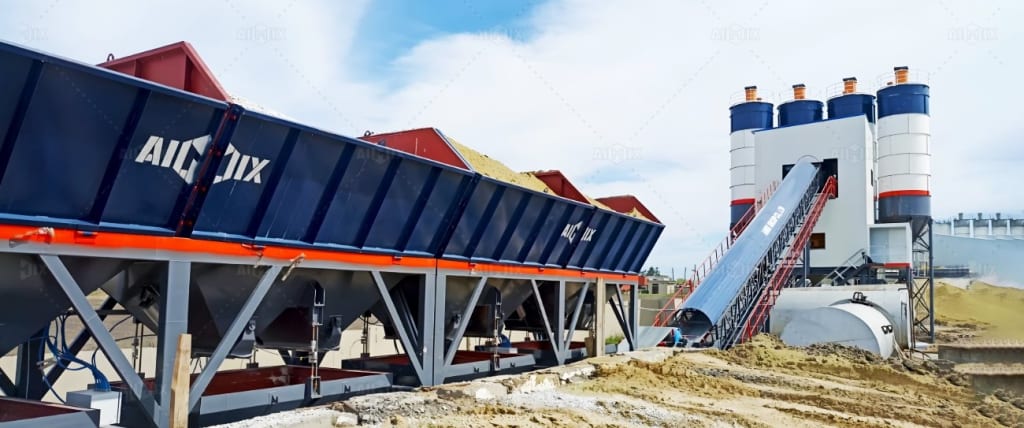
Investing in a ready mix concrete plant is a significant decision for any construction business. The plant will be the backbone of your concrete production, and its costs can vary greatly depending on a number of factors. While many companies focus primarily on the price tag, there are several mistakes that can inadvertently increase the total cost over time.
In this article, we’ll explore the top 5 mistakes that can inflate your ready mix concrete plant price, along with practical advice on how to avoid them. By understanding these pitfalls, you can make better purchasing decisions and ensure the long-term success of your business.
1. Overlooking Plant Capacity Needs
Mistake: Overestimating or Underestimating Capacity
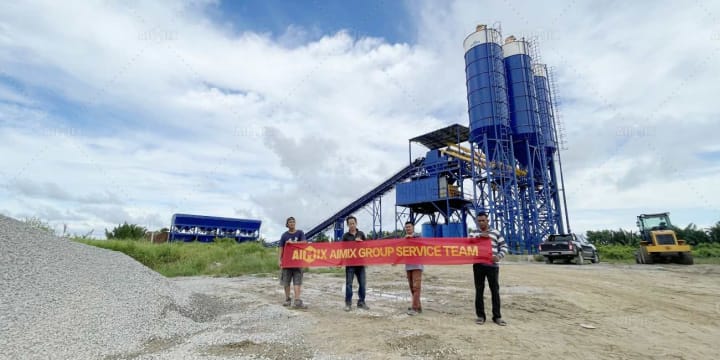
One of the most common mistakes when purchasing a ready mix concrete plant is overestimating or underestimating the required capacity. A plant with too high a capacity will lead to unnecessary costs, while one with insufficient capacity will slow down production and create bottlenecks.
How to Avoid It:
Before purchasing a plant, carefully assess the volume of concrete you need to produce daily. Consider factors like project type, demand fluctuations, and future growth. If you're just starting, choosing a concrete mixing plant with a lower capacity might be a more cost-effective choice, with the option to upgrade later if necessary.
If you expect to handle large volumes over time, investing in a higher-capacity plant can save you money in the long run, as you won’t need to upgrade as frequently. However, balance is key—there’s no need to overspend on equipment that you won't fully utilize.
2. Ignoring Maintenance and Spare Parts Costs
Mistake: Underestimating Ongoing Maintenance
Many companies focus solely on the upfront cost of a ready mix concrete plant and overlook the importance of long-term maintenance costs. While the initial investment might be attractive, plants that require frequent repairs and replacements can become a financial burden over time.
How to Avoid It:
Ask your supplier for a detailed breakdown of maintenance needs, spare parts costs, and estimated service intervals for the plant you are considering. A concrete mixing plant built with high-quality materials will require less frequent maintenance and last longer. Opt for plants with easy access to common wear parts like belts, motors, and mixers, as this will reduce labor costs and downtime during repairs.
Also, ensure that your supplier offers after-sales support and service packages, which can help reduce unexpected repair expenses.
3. Failing to Account for Site Preparation and Infrastructure Costs
Mistake: Overlooking Installation and Setup Expenses
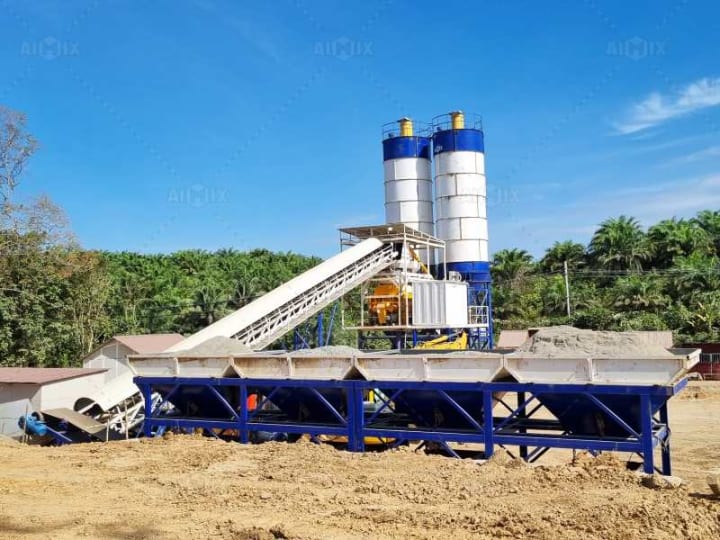
Often, businesses fail to account for the full cost of installing and setting up a ready mix concrete plant. Site preparation can be a significant expense, especially if the land is not already ready to accommodate heavy equipment. Foundations, electrical installations, water supply systems, and storage areas are just a few of the components that need to be factored in.
How to Avoid It:
Before purchasing your concrete mixing plant, consult with your supplier to get a detailed list of installation requirements. This will help you understand the need for site preparation, including any structural changes or additional infrastructure. By preparing your site in advance, you can prevent unexpected expenses during the installation process.
Work with a supplier who can provide guidance on local regulations and infrastructure needs, and factor these costs into your overall budget. Proper planning here can save you from costly surprises later.
4. Not Considering Energy Efficiency
Mistake: Neglecting Long-Term Operating Costs
Operating a ready mix concrete plant involves substantial energy consumption, from running the mixers to operating control systems. Companies often focus on the initial purchase price and neglect to consider how much energy the plant will consume over its lifetime. This can inflate the ready mix concrete plant price in the form of higher utility bills.
How to Avoid It:
When choosing a concrete mixing plant, prioritize energy efficiency. Look for plants that incorporate energy-saving technologies, such as variable-speed drives on motors, efficient heating systems, and automated processes that minimize wastage. These plants might cost a little more upfront, but the energy savings over time can offset that initial investment.
Additionally, consider renewable energy options such as solar panels or wind energy for powering certain systems. In the long term, energy-efficient plants will reduce operational costs and help you avoid an inflated plant price.
5. Failing to Choose the Right Supplier
Mistake: Going for the Cheapest Option
While it’s tempting to go for the lowest-cost option when purchasing a ready mix concrete plant, choosing the cheapest supplier can lead to poor quality and hidden costs down the road. Inadequate support, poor customer service, and unreliable machinery can result in frequent repairs, downtime, and production delays.
How to Avoid It:
Instead of focusing solely on the price, evaluate suppliers based on their reputation, quality of equipment, and customer service. A trusted supplier will provide transparent pricing, including installation, warranty, and service agreements. Opt for a concrete mixing plant supplier with a track record of providing excellent after-sales service and offering reliable, high-quality plants.
Additionally, check reviews, ask for client testimonials, and verify if the supplier provides technical support for installation and ongoing maintenance. In the long run, a reputable supplier will save you more money than the cheapest option, as they’ll help you avoid hidden costs and downtime.
Conclusion
Purchasing a ready mix concrete plant is a significant investment, and it’s easy to make costly mistakes if you don’t approach the decision with careful consideration. Overestimating capacity, ignoring maintenance costs, overlooking site preparation, neglecting energy efficiency, and choosing the wrong supplier can all lead to inflated prices and financial headaches down the road.
To ensure that you’re getting the best value for your investment, take the time to evaluate your plant’s long-term needs, select a reliable supplier, and plan for ongoing expenses. By making informed decisions, you can avoid these costly mistakes and maximize the efficiency and profitability of your business.
With the right planning and careful decision-making, a concrete mixing plant can become a valuable asset that supports your company’s growth and success for years to come.
About the Creator
consrtuctionmachines
AIMIX is a customer-center-oriented heavy equipment manufacturer and supplier, devoted to production, innovation, combination, one-stop solution, etc.
https://aimixgroup.com/
Keep reading
More stories from consrtuctionmachines and writers in 01 and other communities.
Getting a Suitable Concrete Mixer Price in Nigeria
Finding the right concrete mixer at a suitable price is crucial for construction projects in Nigeria. The demand for efficient mixers, like self-loading concrete mixers, continues to grow due to their versatility and performance. This article explores how to get a suitable concrete mixer price in Nigeria while ensuring value and quality.
By consrtuctionmachines9 months ago in 01
2026 Reality How Mobile Apps Are Developed Now
In 2026, the question how are mobile apps developed no longer describes a linear build process. It reflects a structural shift inside the Google ecosystem where AI Retrieval, Zero Click discovery, and entity-level evaluation now determine whether apps gain visibility, authority, or fade into functional obscurity.
By Mary L. Rodriquez4 days ago in 01


Comments
There are no comments for this story
Be the first to respond and start the conversation.