
Tips for Lowering the Cost of Ready Mix Concrete Plant During Procurement and Production
Smart Strategies to Cut Costs in Ready Mix Concrete Plant Procurement and Production Without Sacrificing Quality or Efficiency

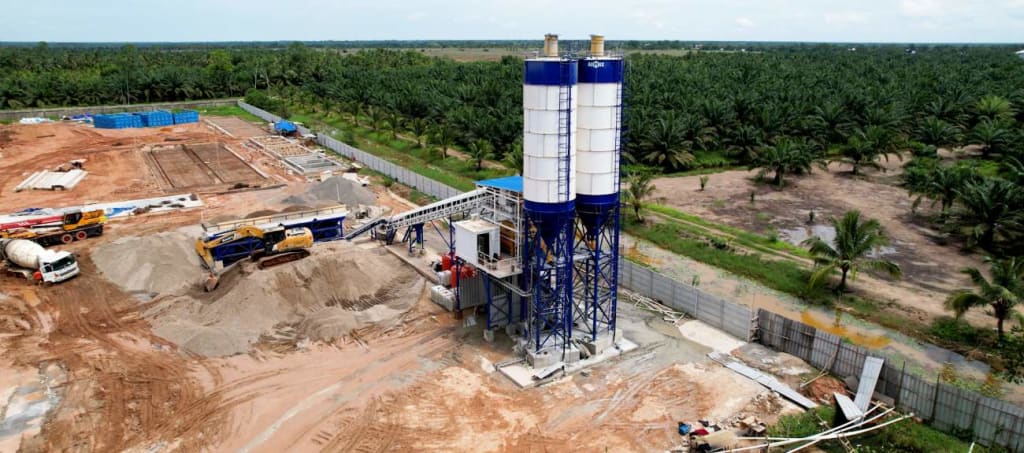
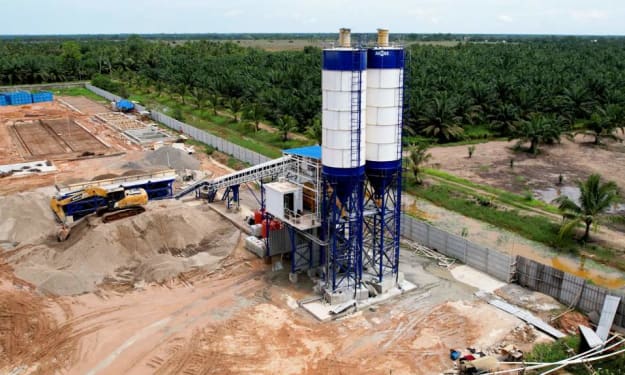
When investing in a ready mix concrete plant, controlling costs without sacrificing quality is essential for long-term success. From the initial procurement of equipment to the ongoing production process, every stage presents opportunities to reduce expenses. In this article, we’ll explore practical, proven strategies for lowering the cost of ready mix concrete plant operations—specifically during procurement and production phases—so you can boost profitability and remain competitive in a tight construction market.
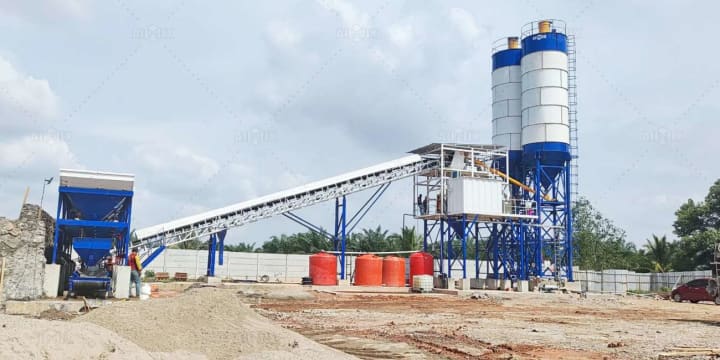
1. Choose the Right Plant Type and Capacity for Your Needs
Selecting a plant that matches your project scale and production goals is the first step to optimizing cost.
Avoid oversizing: A large-capacity plant (e.g., 120–180 m³/h) may seem appealing, but if your actual demand is around 50 m³/h, you’ll waste resources on maintenance, fuel, and idle equipment.
Consider mobile batching plants: For temporary or multiple project sites, a mobile ready mix plant can significantly reduce installation and relocation costs.
Modular design: Plants with modular or containerized structures are easier to install, move, and maintain, reducing labor and foundation costs.
Tip: Perform a detailed feasibility analysis of local demand and production requirements before selecting plant capacity.
2. Procure Equipment from a Reliable Yet Cost-Effective Supplier
Equipment procurement accounts for a large portion of the initial plant cost. While brand-name suppliers offer strong warranties and quality, there are ways to control costs without compromising reliability.
Compare multiple quotes: Don’t rely on just one supplier. Compare equipment specifications, service packages, and hidden charges (e.g., shipping, installation support).
Consider emerging brands: Manufacturers like Aimix, SANY, or Zoomlion offer competitive pricing with good performance, especially in Asia and the Middle East.
Negotiate for bundled deals: Ask for discounts when ordering batching plants with related components like silos, conveyors, and concrete mixers.
Tip: Ask suppliers if they offer refurbished or ex-demo units with warranties, which can cut costs by 20–30%.
3. Reduce Installation and Foundation Costs
Plant installation and civil work often bring unexpected expenses. Smart planning can reduce both time and money spent.
Use pre-engineered foundations: Some plants offer skid-mounted or flat foundation options that reduce concrete and steel use.
Opt for local contractors: Hiring local construction teams to build the foundation and install the plant usually costs less than bringing in a foreign crew.
Minimize custom modifications: Stick with standard plant configurations to avoid extra fabrication or engineering fees.
Tip: Ensure the site layout is optimized for minimal transportation distances between aggregate hoppers, mixers, and loading points.
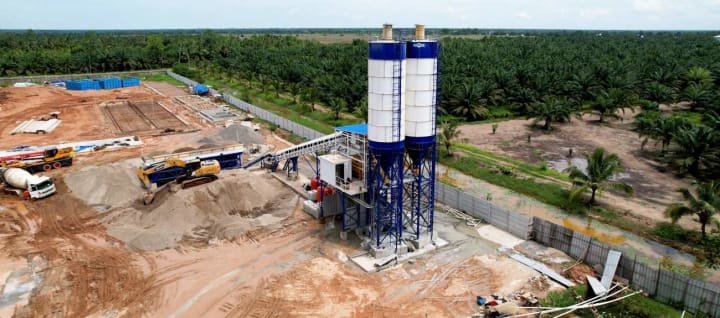
4. Optimize Raw Material Storage and Handling
Improper material storage leads to spillage, wastage, and quality issues—all of which add to operational costs.
Invest in efficient silo systems: Use cement silos with dust collectors and level indicators to prevent material loss and overfilling.
Use covered aggregate storage: Protecting aggregates from moisture reduces water-cement ratio errors, saving cement usage in the mix.
Automate weighing systems: Digital weighing and belt feeders improve batching accuracy, reducing material overuse.
Tip: Periodically calibrate weighing systems to avoid costly material imbalances.
5. Reduce Energy and Water Consumption
Energy and water are major ongoing costs in any ready mix concrete plant. Energy-efficient choices add up over time.
Choose efficient motors and mixers: Variable frequency drives (VFDs) and planetary mixers consume less electricity and offer faster mixing cycles.
Use recycled water: Many plants now install wastewater treatment systems to reuse wash water in mixing, reducing overall water bills.
Smart lighting and automation: Motion-sensor lighting, auto shutdown systems, and batching software can cut utility consumption.
Tip: Monitor power usage during off-peak hours and negotiate lower industrial energy rates with local utilities.
6. Train Staff to Minimize Operational Errors
Human error can lead to inconsistent mixes, equipment damage, and production delays. Investing in training pays off.
Conduct regular operator training: Ensure staff understand batching procedures, mix design, and machine controls.
Implement SOPs: Standard operating procedures reduce miscommunication and operational variation.
Monitor KPIs: Use plant management software to track raw material usage, output per hour, and machine downtime.
Tip: Empower staff to report inefficiencies or process flaws—many small savings come from internal suggestions.
7. Preventive Maintenance to Avoid Downtime
Breakdowns not only cost money to repair but also halt production. A preventive maintenance approach is more cost-effective.
Create a monthly maintenance schedule: Regular inspections of mixers, belts, pumps, and sensors prevent sudden failures.
Stock critical spare parts: Keep fast-moving parts like relays, seals, and filters on hand to avoid expensive emergency shipping.
Use manufacturer’s diagnostics: Many batching plants come with self-diagnostic tools—use them to detect faults early.
Tip: Log maintenance records to identify recurring issues and predict future repair needs.
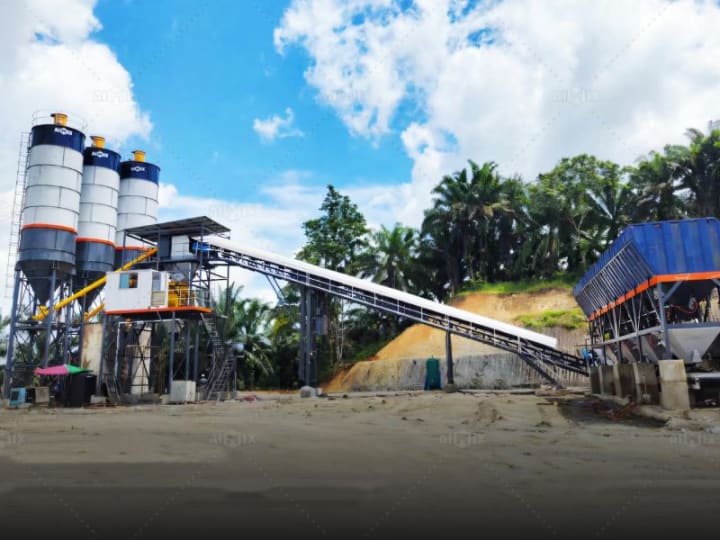
8. Evaluate Local Regulations and Tax Incentives
Local policies can affect both procurement and operational costs.
Import duties: If buying equipment from overseas, check whether duties or taxes apply and if exemptions exist.
Environmental compliance: Ensure the plant meets dust control and wastewater discharge standards to avoid fines.
Tax rebates: Some governments offer incentives for energy-efficient or locally sourced equipment.
Tip: Consult a local business consultant or legal expert to fully understand the regulatory environment.
Conclusion
Lowering the cost of ready mix concrete plant during procurement and production is not about cutting corners—it’s about making informed, strategic decisions. By selecting the right plant size, working with trustworthy suppliers, optimizing installation and operations, and empowering your workforce, you can build a highly efficient and profitable concrete production business. Continuous improvement in production processes, maintenance, and material handling will help ensure long-term savings and business growth.
About the Creator
consrtuctionmachines
AIMIX is a customer-center-oriented heavy equipment manufacturer and supplier, devoted to production, innovation, combination, one-stop solution, etc.
https://aimixgroup.com/
Keep reading
More stories from consrtuctionmachines and writers in 01 and other communities.
Labor and Training Considerations That Add to Ready Mix Concrete Plant Cost
When evaluating the total ready mix concrete plant cost, most people immediately think of equipment, raw materials, transportation, and land. While these are essential, one critical area that often receives less attention—but significantly impacts cost—is labor and training. Behind every high-performing concrete batching plant is a team of trained personnel, from equipment operators to quality control engineers and maintenance crews.
By consrtuctionmachines7 months ago in 01
Wild Card Weekend Recap: What Happens Now?
I think I figured out why I love Wild Card Weekend so much. It's because it's the first playoff anything of the calendar year. The NFL season starts in the fall, and once upon a time, the champion was crowned either on or slightly before New Year's. The evolution of the NFL schedule has resulted in the playoffs starting just into the New Year, and currently, the final week of the season falls on the first weekend of the New Year, with Wild Card Weekend coming a week after that. So yes, chronologically, the NFL's Wild Card Weekend serves as the first playoff anything of the calendar year.
By Clyde E. Dawkins5 days ago in Unbalanced



Comments
There are no comments for this story
Be the first to respond and start the conversation.