
Labor and Training Considerations That Add to Ready Mix Concrete Plant Cost
Uncover how skilled labor, proper training, and workforce optimization significantly influence the true cost and long-term success of a ready mix concrete plant.
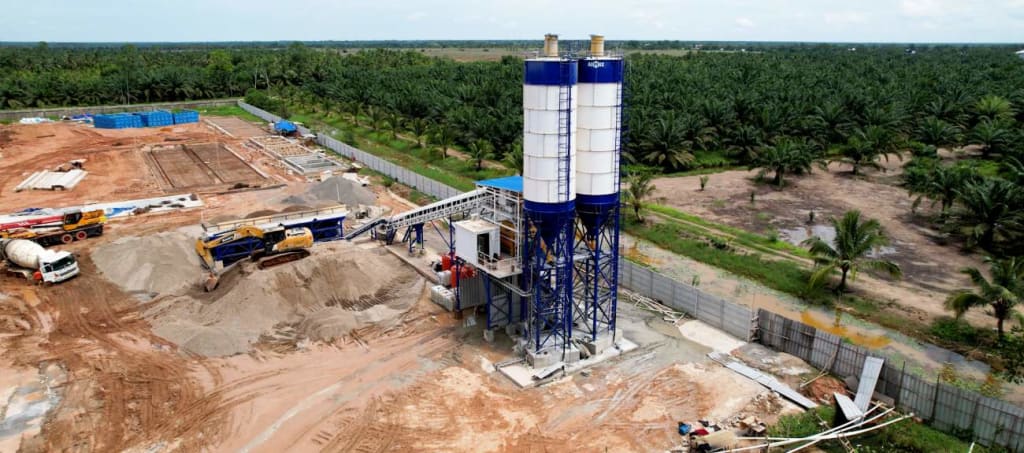
When evaluating the total ready mix concrete plant cost, most people immediately think of equipment, raw materials, transportation, and land. While these are essential, one critical area that often receives less attention—but significantly impacts cost—is labor and training. Behind every high-performing concrete batching plant is a team of trained personnel, from equipment operators to quality control engineers and maintenance crews.
Understanding the labor and training-related factors can help plant owners and investors better estimate operating costs, plan more accurately, and avoid future inefficiencies or losses.
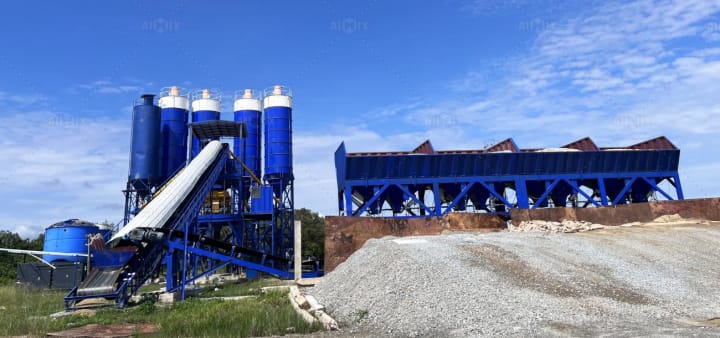
1. Types of Labor Required in a Ready Mix Concrete Plant
A typical ready mix concrete batching plant operation requires multiple roles to run efficiently. Each of these roles comes with its own cost in terms of hiring, onboarding, and long-term employment.
a. Plant Manager
Responsible for overseeing all operations, managing schedules, and ensuring plant productivity. Plant managers typically require years of industry experience, and their salaries can be a major contributor to operational cost.
b. Batching Plant Operators
Operators control the batching process using software systems and are responsible for ensuring the mix design is accurate. In modern plants, they must be trained in automated control systems, increasing their hiring and training costs.
c. Maintenance Technicians
To minimize downtime, experienced technicians are needed to service the mixer, conveyors, silos, and control systems. The more advanced the equipment, the higher the skill level—and cost—required.
d. Truck Drivers
Ready mix concrete has a limited workable time, meaning drivers must be punctual, careful, and experienced in handling heavy vehicles. The shortage of qualified drivers in many markets often drives wages up.
e. Quality Control Staff
These technicians test raw materials, monitor the mix quality, and ensure the end product meets industry standards. Their precision directly affects customer satisfaction and reputation.
2. Training Costs: An Often Overlooked Expense
Hiring untrained labor may seem economical at first but can lead to errors, safety incidents, or regulatory issues. Therefore, effective training is an investment, not a cost.
a. Onboarding and Basic Operational Training
New employees must understand safety protocols, workflow, and plant procedures. Training on standard operating procedures (SOPs) takes time and resources, often including manuals, videos, and mentoring.
b. Equipment-Specific Training
Modern ready mix plants rely on automation and software-based control systems. Employees must be trained on:
PLC and HMI interface
Emergency shut-off systems
Troubleshooting sensors and electronic components
Such training might require external specialists or equipment supplier support, especially if proprietary systems are involved.
c. Safety and Compliance Training
Safety is paramount in any concrete production environment. Staff need certifications and frequent updates on:
Lockout/tagout procedures
Fall protection
Handling hazardous materials (cement dust, chemicals, etc.)
Non-compliance not only endangers workers but can result in hefty fines and downtime.
d. Ongoing Skill Development
As technology evolves and customer expectations rise, ongoing training becomes essential. Plants must invest in continuous education through:
Online courses
Factory visits
Hands-on simulations
Vendor-sponsored workshops
This ensures that the team remains up-to-date and the plant stays competitive.
3. Indirect Labor-Related Costs
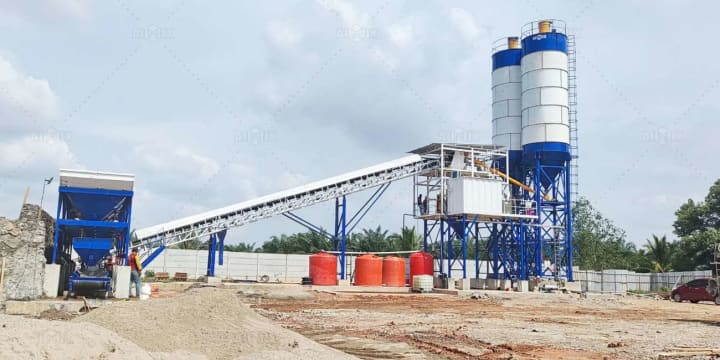
In addition to wages and training expenses, there are indirect costs tied to labor that can influence overall ready mix concrete plant cost.
a. Turnover and Recruitment
If your plant is located in a region with high labor turnover, you’ll incur higher recruitment and retraining costs. Employee retention strategies—such as offering competitive wages, a safe work environment, and career development—can help reduce this cost over time.
b. Downtime Due to Skill Gaps
A poorly trained team can lead to:
Incorrect batching
Equipment breakdowns
Delays in delivery
These problems result in lost productivity and unhappy clients, which translates directly into lost revenue.
c. Insurance and Benefits
Health insurance, accident compensation, and other benefits must be factored in. Plants with high-risk environments or frequent incidents may also face increased premiums if safety training is lacking.
4. Optimizing Labor and Training Costs
Instead of cutting corners, strategic investments in labor can actually reduce the total cost of operating a ready mix concrete plant over time. Here are a few tips:
Leverage Automation: Automated control systems reduce the number of personnel needed per shift, and lower the risk of error from manual processes.
Partner with Equipment Suppliers: Many machinery vendors offer free or subsidized training with new equipment purchases.
Cross-Train Staff: Train team members to handle multiple roles (e.g., batching and maintenance) to improve flexibility and reduce dependency.
Use Digital Training Tools: E-learning platforms and VR-based safety simulations can reduce training time and standardize instruction.
Document and Standardize Processes: Clear manuals and SOPs help maintain consistency even when new staff are brought in.
5. Real-World Example
Let’s take a scenario: a company sets up a 60 m³/h ready mix concrete plant in a suburban area with low labor availability. Initial equipment cost is $90,000. However, over 12 months, they spend $30,000 on hiring and training (including safety certifications, system training, and maintenance workshops). The result?
Zero safety incidents
Downtime reduced by 40% compared to previous operations
Higher customer satisfaction due to consistent concrete quality
Although the upfront labor and training cost seemed high, the long-term return through smoother operations and fewer losses far outweighed it.
Conclusion
While equipment and materials may be the most visible components of a ready mix concrete plant cost, labor and training play a foundational role in the plant’s efficiency, safety, and profitability. Hiring the right people, training them properly, and ensuring they grow with the plant not only safeguards your investment—it multiplies its value.
When planning your next plant, don’t just ask, “What’s the equipment cost?” Instead, ask, “What will it take to build the team that makes this plant thrive?” That’s where your competitive edge lies.
About the Creator
consrtuctionmachines
AIMIX is a customer-center-oriented heavy equipment manufacturer and supplier, devoted to production, innovation, combination, one-stop solution, etc.
https://aimixgroup.com/
Keep reading
More stories from consrtuctionmachines and writers in 01 and other communities.
How to Check Whether the Concrete Pump Truck Boom Is Flexible to Retract and Extend
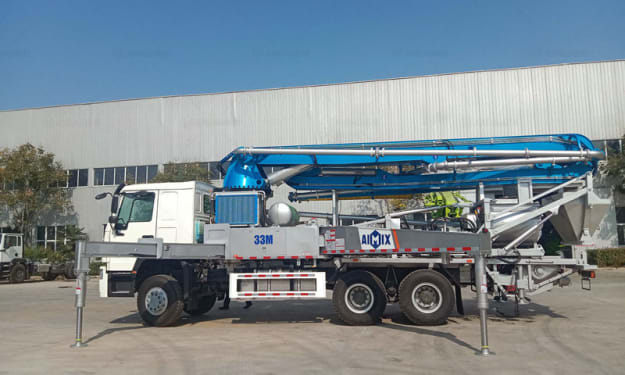
In modern construction projects, efficiency, precision, and safety are critical. One of the most vital concrete pumping machines used in high-rise buildings, bridges, and large-scale foundations is the concrete pump truck. What sets this machine apart is its hydraulic boom—an articulated arm that allows concrete to be delivered at precise points that traditional methods can't reach. However, to maintain performance and safety, it's essential to regularly check whether the boom can extend and retract smoothly. A stiff or malfunctioning boom can lead to serious risks and operational inefficiencies. Below is a detailed guide on how to properly check boom flexibility and ensure your concrete pump truck is ready for reliable daily use.
By consrtuctionmachines9 months ago in 01
How One EdTech App Doubled Retention With AI in 90 Days
In the competitive landscape of 2026, the primary challenge for educational platforms is no longer the delivery of content. It is the persistence of the learner. For many developers, AI in EdTech has shifted from a speculative feature to the core engine of user stickiness. This transition is critical because, despite the massive influx of digital learning tools over the last decade, the industry has long struggled with a "completion crisis." The average course completion rate often hovered below 15% for non-mandatory content.
By Del Rosario7 days ago in 01


Comments
There are no comments for this story
Be the first to respond and start the conversation.