
The Top 7 Reasons Your Garage Door Won’t Open or Close (and How to Fix Them)
Precision Door Services of the Bay Area
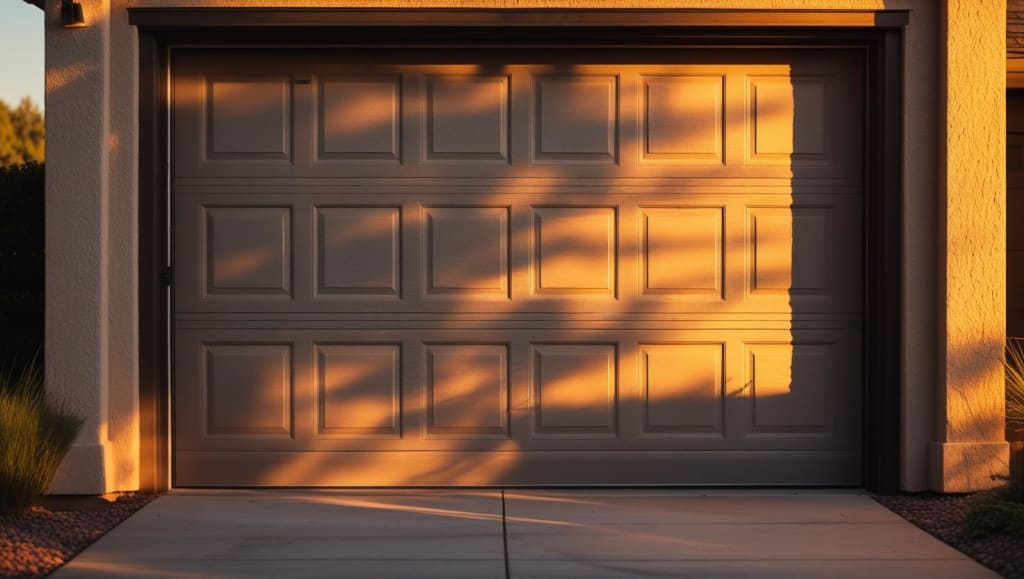
A garage door that won’t open or close is more than just frustrating—it’s a security concern, a major disruption to your daily routine, and a potential safety hazard. Whether you’re a homeowner trying to get to work or a small business owner managing vehicle access to your property, a malfunctioning garage door demands immediate attention.
Fortunately, most garage door issues fall into a handful of common categories. In many cases, the cause can be identified quickly and fixed with minimal effort or cost. In others, a professional repair may be necessary to ensure safety and long-term reliability.
In this article, we’ll walk you through:
- The top seven reasons your garage door won’t open or close
- How to troubleshoot and fix each issue
- When to call in a professional
- Tips to prevent these problems in the future
Let’s dive in.
1. Broken Torsion or Extension Springs
What’s Happening:
Garage door springs do the heavy lifting—literally. When they break, the door becomes too heavy for the opener to lift, or it slams shut and refuses to reopen.
Symptoms:
- Loud “bang” from the garage (spring snapping)
- Door won’t lift or only rises a few inches
- Door falls rapidly when closing
- Cables appear loose or tangled
Fix:
Do not attempt to fix a broken spring yourself. Garage door springs are under high tension and can cause serious injury if mishandled. Call a certified professional like Precision Door Services of the Bay Area for a safe and proper replacement.
2. Misaligned or Blocked Safety Sensors
What’s Happening:
Garage doors have photo-eye sensors near the ground on either side of the door. These sensors stop the door from closing if something is in the way.
Symptoms:
- Door starts to close and immediately reverses
- Blinking lights on opener or sensor units
- Nothing visibly wrong, but door still won’t close
Fix:
- Clean the sensors with a soft cloth.
- Make sure they’re aligned and facing each other (they must “see” each other).
- Check for wiring damage. If the wires are frayed or chewed (by rodents), call a professional.
3. Disrupted Power Supply
What’s Happening:
Sometimes the problem is as simple as a power outage or a disconnected plug.
Symptoms:
- Garage door opener doesn’t respond
- No lights on the opener unit
- Wall switch and remote both fail
Fix:
- Check the outlet to make sure the opener is plugged in.
- Try another device (like a lamp) to confirm the outlet has power.
- If there’s a tripped circuit breaker, reset it at your electrical panel.
Still no power? The opener may have a blown fuse or internal issue—schedule an inspection.
4. Malfunctioning Remote or Wall Switch
What’s Happening:
If the wall switch works but the remote doesn’t—or vice versa—your opener may be fine, but the control device is malfunctioning.
Symptoms:
- Remote doesn’t respond but wall switch works
- Wall switch is unresponsive but opener has power
- LED lights flash but the door doesn’t move
Fix:
- Replace the remote batteries
- Reprogram the remote using the opener's manual or website
- Check wiring on the wall switch
- Reset the opener by unplugging for 30 seconds, then restoring power
If you’re still experiencing issues, the logic board in your opener may need repair or replacement.
5. Obstructed or Damaged Tracks
What’s Happening:
The metal tracks on each side of your garage door must be straight, secure, and free of debris. If they become bent or blocked, the door can’t move smoothly.
Symptoms:
- Door sticks halfway
- Grinding or scraping noises
- Door is visibly crooke
Fix:
- Inspect the tracks for obstructions (leaves, dirt, tools)
- Tighten any loose brackets with a socket wrench
- Do NOT attempt to bend or reshape the tracks yourself—you could cause more damage or throw off the balance.
If the track is damaged, contact a professional for safe realignment or replacement.
6. Disengaged Emergency Release
What’s Happening:
The emergency release cord (usually a red rope) lets you manually open the garage door during a power outage. Sometimes, it gets pulled accidentally—disconnecting the door from the opener carriage.
Symptoms:
- Opener motor runs but the door doesn’t move
- You can lift the door manually with little resistance
Fix:
- Re-engage the release by pulling the cord toward the door and lifting it until it clicks into the opener trolley.
- Check your opener’s manual for specific steps (methods vary by brand).
7. Damaged Cables or Rollers
What’s Happening:
Garage door cables and rollers guide the door’s movement along the track. If either component breaks or wears out, the system becomes unstable or unusable.
Symptoms:
- Door slants or jerks during movement
- Loud scraping or popping sounds
- Frayed or dangling cables
Fix:
This is a job for the pros. Damaged cables can snap under pressure, causing injury. Contact a qualified technician for cable or roller replacement.
When to Call a Professional
While minor fixes like clearing debris or changing batteries are DIY-friendly, many garage door problems involve high-tension parts and precision alignment.
Call a professional if:
- The door is stuck and won’t move at all
- The springs, cables, or tracks are damaged
- You hear loud pops, grinding, or creaking
- Your opener is unresponsive despite having power
- Your door slams shut or opens unevenly
Companies like Precision Door Services of the Bay Area offer emergency repairs, thorough diagnostics, and safety-compliant service—ensuring long-term peace of mind.
Preventing Garage Door Problems: Tips for Homeowners and Business Owners
Routine maintenance can prevent most garage door malfunctions. Follow these best practices to reduce breakdowns:
1. Inspect Your System Monthly
Check:
- Springs
- Tracks
- Rollers
- Cables
- Weather seals
Look for signs of wear, rust, or misalignment.
2. Lubricate Moving Parts
Apply silicone-based lubricant to:
- Rollers
- Hinges
- Springs
- Bearings
Avoid WD-40, which is a solvent, not a lubricant.
3. Test the Auto-Reverse Feature
Place a 2x4 board under the closing door. If it doesn’t reverse automatically when it hits the board, your safety sensors or opener settings may need adjustment.
4. Replace Batteries Annually
Change remote and keypad batteries once a year—even if they’re not yet dead. This avoids emergency lockouts.
5. Schedule Annual Professional Inspections
A trained technician can tune up your entire system, test safety features, and replace worn parts before they fail.
Frequently Asked Questions (FAQs)
Q: Can I manually open a garage door if the opener fails?
A: Yes—pull the emergency release cord and lift slowly. Only do this if the springs are intact and the door isn’t too heavy.
Q: Why does my door start to close, then reverse?
A: Most likely, your photo-eye sensors are blocked, misaligned, or dirty. Clean them and make sure they're aligned.
Q: How long do garage door openers last?
A: On average, 10–15 years. Lifespan can vary depending on frequency of use and maintenance.
Q: Why is my door stuck halfway?
A: Possible causes include:
- Damaged rollers
- Bent track
- Broken spring
- Limit settings on the opener
Have a professional diagnose the issue if basic troubleshooting fails.
Final Thoughts
A malfunctioning garage door isn’t just an inconvenience—it can be a threat to your property, safety, and peace of mind. By understanding the most common causes and knowing what to do (and what not to touch), you can solve many issues before they escalate.
If you’re in the Bay Area and need expert help fast, contact Precision Door Services of the Bay Area for trusted, same-day service. From simple fixes to full system overhauls, their certified technicians keep your garage doors running smoothly—so you can get on with your day.
About the Creator
Keep reading
More stories from Jared Benning and writers in 01 and other communities.
What Is the Ideal Thermostat Setting Year-Round? A Guide to Comfort and Savings
Your thermostat might seem like a small detail in the grand scheme of heating and cooling, but it’s one of the most powerful tools for controlling your energy use, comfort, and utility bills. For both homeowners and small business owners, knowing the best settings for every season — and how to optimize them — can mean substantial savings and greater indoor comfort year-round.
By Jared Benning7 months ago in 01
2026 Platform Choice Mobile App Development Native vs Hybrid
In 2026, mobile app development native vs hybrid is no longer a framework debate. It reflects a tectonic shift inside the Google ecosystem where AI Retrieval, Zero Click discovery, and entity-level evaluation now shape risk exposure, authority loss, and strategic realignment for every mobile product.
By Samantha Blake5 days ago in 01
How James Kodrowski Builds Scalable Businesses and Long-Term Investments
James Kodrowski is widely recognized as an Entrepreneur, Business Leader & Investor known for building scalable businesses while maintaining a disciplined, long-term investment mindset. His approach combines financial intelligence, operational excellence, and leadership-driven strategy, making his work highly relevant across Finance & Financial Services, Business Strategy & Operations, and Entrepreneurship & Leadership.
By James Kodrowski5 days ago in 01



Comments
There are no comments for this story
Be the first to respond and start the conversation.