
The Step-by-Step Guide to Cultivate Tomatoes
Tomato Cultivation
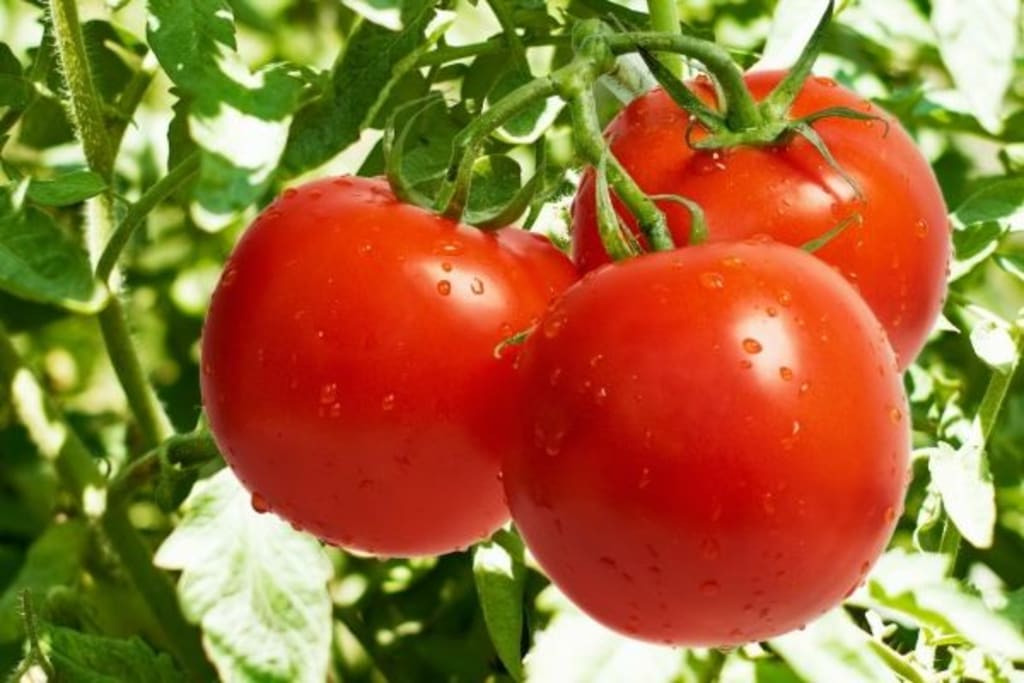
Tomato farming is one of the most rewarding agricultural activities. Indeed, tomatoes can be used in many ways, and their demand is high, making them a very profitable crop. Even beginners can grow tomatoes if they have the proper tools and knowledge.
In this blog, we’ll walk you through all the important steps, from choosing the right location for planting to harvesting. We will also demonstrate some of the useful farming equipment that will enable you to increase your productivity and efficiency. Irrespective of whether you're a small or a commercial farmer, this guide will give you the knowledge to maximize yields.
Location and Soil Selection
In creating a tomato farm, one needs to choose the right location. Tomatoes require full direct sunlight, at least 6-8 hours every day. The soil needs to be rich in organic matter, and the drainage should be good. Loamy soil is ideal because it retains moisture but drains well. Your soil needs to pass a pH test to make sure it's within the best range, between 6.0 and 6.8.
This makes soil fertile if you add compost or organic fertilizer into it. Healthy plants are those resulting from healthy soil. They tend to be less susceptible to diseases and pests. There is also a way of combating acidic soil with addition of lime, thereby balancing the pH.
Soil Preparation
In tomato growing, the first step is to prepare the land. Remove all waste or weeds. After that, plough the land to make the soil looser. As a result, the roots can spread farther. This procedure can go more quickly and easily if you use a New Holland Excel tractor. To guarantee uniform water distribution, level the land after ploughing.
For soil enrichment, add organic matter or compost. Lastly, elevated beds should be built so that drainage is sufficient. Strong, healthy tomatoes are the result of well-prepared soil. Focussing on this phase lays a foundation for a fruitful harvest.
Selecting Tomato Varieties
There are many tomato varieties to choose from. Choose which of the variety suits your climate and market demand for planting before planting. Among the popular varieties, there are cherry, beefsteak, and Roma tomatoes.
Cherry Tomatoes: The best variety for fresh salads because they mature in shorter periods.
Beefsteak Tomatoes: Bigger in size and mature in longer periods but are ideal for slicing.
Roma tomatoes: They have a lower moisture content and are, therefore, ideal for making sauces and canning.
Type of variety also comes with its own type of growing conditions, therefore choose the best for you. For a beginner gardener, cherry tomatoes are the best since their growth and handling require much less effort.
Preparing for Planting
Before planting, ensure you have all the necessary equipment and materials. New Holland Excel tractors can be very helpful for larger farms, as they make tilling and soil preparation easier. However, for smaller farms or gardens, a hand tiller or a VST Mini Tractor could be sufficient. Whichever tool you choose, ensure that the soil is loose and ready to support root growth.
Tomatoes can be grown either from seeds or transplants. If you are starting from seeds, plant them indoors about six to eight weeks before the last frost. Once the seedlings are around 6-8 inches tall, you can transplant them outdoors.
Planting Tips
Place your plants about 18-24 inches apart to allow for good air circulation.
Water the seedlings well immediately after planting to reduce transplant shock.
Mulching around the base of the plants can help retain moisture and keep weeds at bay.
Irrigation and Fertilization
Tomatoes are thirsty plants. Even once the fruit has begun to form, it needs to be adequately irrigated. The best is to water them abundantly, occasionally only a few times a week, instead of only shallowly every day. Direct watering-drip irrigation also avoids getting the leaves wet, which is a cause of fungal diseases.
You have to fertilize your crops regularly if you want to ensure proper harvest. Organic manure or compost will supply all of the nutrients needed by your crops. Commercial fertilizers, a balanced one, can also be used; though proper use according to its label is met.
Common Pest Diseases
These include blight, fusarium wilt, and bacterial spots, that easily infect tomatoes. To discourage such occurrence, rotate your crops every year and also avoid planting tomatoes in the same spot year after year. Disease-resistant varieties, available as well, should also be used.
Finally, pesticide control is also an important aspect when it comes to tomato farming. As discussed above, there are pests including aphids and the tomato hornworm that will destroy your crop. These pests can be controlled by use of organic pesticides or introducing natural predators like ladybugs.
Staking and Pruning
Due to their potential for height, tomato plants may require assistance in order to stay upright. Stake it or use caging to let it grow higher. The suckers, which are the developing roots between the main stem and the branches, should be removed along with the lower leaves. In addition to improving air circulation, this focuses energy on fruit production.
Harvesting
When the tomatoes are fully red and firm to the touch but still somewhat soft, it's time to pick them. For optimal flavour, it is essential to begin picking them as soon as they start to grow ripe. Your tomatoes can be harvested while still green and allowed to ripen inside if frost is on the horizon and they are still unripened-green.
Conclusion
Tomato farming is a fulfilling and potentially profitable venture. By selecting the right location, preparing your soil properly, and using the correct tools, such as the New Holland Excel tractor for larger farms or a VST Mini Tractor for smaller farms, you can significantly improve your efficiency and yields. With proper care, watering, and disease management, you’ll be able to grow a healthy and productive tomato crop year after year.
About the Creator
Keep reading
More stories from Mohit Gupta and writers in 01 and other communities.
How to Start a Small-Scale Farm? A Beginner's Guide
Starting a small farm might be beneficial. It enables you to lead a sustainable lifestyle, cultivate your food, and assist neighbourhood communities. Yet, figuring out where to start could also be challenging. This article will cover the methods for establishing and managing a small-scale farm.
By Mohit Gupta2 years ago in Art
The Rise of AI Presentation Tools: Transforming the Way We Create Slides
Artificial intelligence is quietly reshaping how we work, learn, and communicate. One area where this shift is especially noticeable is presentation design. Creating slides used to mean hours of formatting, arranging content, and adjusting visuals. Today, AI-powered tools are simplifying that process, helping users turn ideas into polished presentations in a fraction of the time.
By charliesamuela day ago in 01



Comments
There are no comments for this story
Be the first to respond and start the conversation.