
The Science of Fabric Understanding Materials Used in Pleated Designs
Understanding Materials Used in Pleated Designs
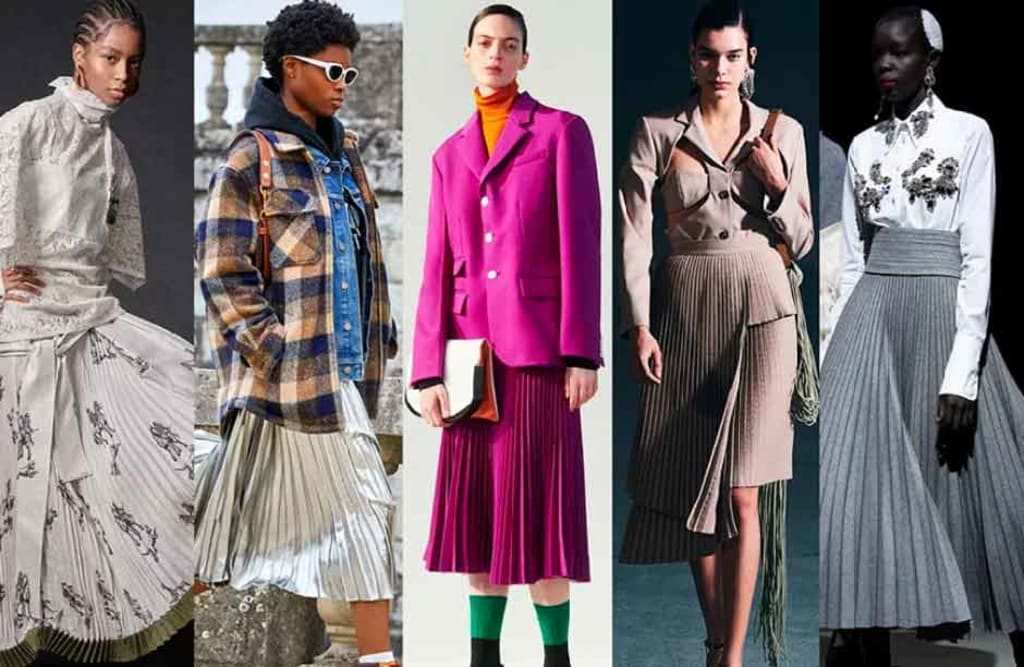
Pleated fashion has stood the test of time, celebrated for its sophisticated texture, graceful movement, and timeless appeal. While pleats elevate the aesthetic of clothing, the choice of fabric plays a crucial role in ensuring their structure, durability, and comfort. Understanding the science behind these materials can help you make informed choices when investing in women's pleated dresses or pleated tops for ladies.
The Role of Fabric in Pleated Designs
Pleats are meticulously folded patterns that add volume, shape, and detail to garments. For pleats to hold their form, resist wrinkles, and maintain comfort, the right fabric selection is key. Each material offers unique benefits that influence the pleat's longevity, movement, and appearance.
Key Characteristics for Pleated Fabrics
When choosing fabrics for pleated clothing, designers prioritize these traits:
- Memory and Recovery: The fabric's ability to retain pleats without losing shape.
- Flexibility and Drape: Ensuring the pleats flow naturally with movement.
- Durability: Resisting wear, washing, and heat.
- Breathability and Comfort: Vital for daily wear.
Popular Fabrics Used in Pleated Designs
Here are the most common materials that balance style, structure, and functionality in pleated garments:
1. Polyester
Polyester is one of the most popular materials for pleated garments due to its exceptional pleat retention and wrinkle resistance. The synthetic fibers are heat-set to lock the pleats in place, making polyester designs ideal for low-maintenance fashion.
Pros:
- Excellent pleat retention
- Durable and long-lasting
- Resistant to shrinking and wrinkles
Cons:
- Less breathable than natural fabrics
- Can feel less soft on the skin
2. Chiffon
Chiffon, a lightweight and sheer fabric, is often used in elegant women's pleated dresses. Its delicate texture creates a soft and romantic look, ideal for evening gowns or flowy skirts.
Pros:
- Elegant and lightweight
- Offers graceful movement
Cons:
- Requires careful handling and dry cleaning
- Less structured pleats compared to polyester
3. Silk
Silk is a luxurious, natural fabric that adds a refined touch to pleated designs. Its fluidity allows for soft, flowing pleats that create a delicate silhouette.
Pros:
- Naturally breathable and comfortable
- Luxurious sheen and texture
Cons:
- Requires gentle care and professional cleaning
- Pleats may loosen over time if not heat-set properly
4. Cotton
Cotton is widely used for casual pleated tops for ladies due to its breathability and comfort. While not as effective at retaining crisp pleats, cotton excels in softer, more relaxed pleated styles.
Pros:
- Soft, breathable, and comfortable
- Easy to wash and maintain
Cons:
- Prone to wrinkling and shrinkage
- Requires frequent ironing to maintain pleats
5. Wool
Wool's natural fibers offer warmth and structure, making it a suitable choice for pleated skirts, trousers, and structured dresses. Wool’s elasticity allows pleats to hold their shape effectively.
Pros:
- Excellent shape retention
- Naturally insulating
Cons:
- Can be heavy and less breathable for warm climates
- Requires proper storage to prevent pilling or moth damage
6. Tulle
Tulle is a lightweight netting fabric often seen in pleated designs for wedding dresses, skirts, or statement tops. Its delicate texture allows for voluminous yet airy pleats.
Pros:
- Lightweight with ample volume
- Ideal for layering and statement designs
Cons:
- Prone to tearing and snags
- Requires gentle handling and storage
7. Organza
Organza is a stiff yet sheer fabric that creates structured pleats perfect for contemporary designs. It holds sharp pleats well, ideal for statement pieces in pleated tops for ladies.
Pros:
- Holds sharp pleats beautifully
- Adds volume and drama
Cons:
- Delicate and prone to snags
- Requires special care during washing
The Science Behind Pleat Retention
Fabric behavior under heat, pressure, and humidity determines its pleat retention. The following techniques enhance pleat durability:
1. Heat-Setting
Synthetic fabrics like polyester undergo heat-setting, where pleats are permanently pressed into the fabric structure. This ensures the design withstands washing and everyday wear.
2. Resin Finishes
For natural fabrics like cotton and silk, resin treatments improve pleat retention by stiffening fibers. While effective, these treatments may reduce breathability.
3. Fabric Blends
Blending natural and synthetic fibers combines the best qualities of each. For example, cotton-polyester blends offer breathability with enhanced pleat durability.
Caring for Pleated Garments
To extend the life of your pleated pieces, follow these care tips:
1. Washing Tips
- Use cold water and gentle detergents to prevent fabric damage.
- For polyester and synthetic blends, machine wash on a delicate cycle.
- For delicate fabrics like silk or chiffon, opt for dry cleaning.
2. Drying Techniques
- Avoid wringing out pleated fabrics to preserve structure.
- Hang garments to air dry with pleats positioned neatly to avoid distortion.
3. Ironing and Steaming
- For polyester garments, use a low-heat setting to refresh pleats.
- For delicate fabrics like chiffon or silk, use a handheld steamer to avoid direct heat.
Embracing the Beauty of Pleated Fashion
Pleated designs offer versatility, elegance, and movement that elevate modern fashion. By choosing the right materials and caring for them correctly, you can enjoy stunning women's pleated dresses and pleated tops for ladies that maintain their shape and charm for years to come. Whether you prefer structured polyester pleats or soft chiffon waves, understanding fabric science will help you make informed style choices for every occasion.
About the Creator
ScarletSage
For years, Scarlet Sage has been dressing women of power and substance in everything - from statement pieces for special occasions to unique work, travel, and everyday wear.
Keep reading
More stories from ScarletSage and writers in 01 and other communities.
The Healing Power of Herbal Teas: Best Blends for Every Ailment
Herbal teas have been cherished for centuries for their remarkable healing properties. Whether you’re struggling with stress, digestion issues, or sleep disturbances, the right herbal tea can work wonders. Unlike traditional teas derived from the Camellia sinensis plant, herbal teas are made from a variety of dried herbs, flowers, fruits, and spices, offering unique health benefits without caffeine. Let’s explore the best herbal tea blends to address common ailments and restore balance to your body and mind.
By ScarletSage12 months ago in 01
From Code to Capital: The Impact of Fintech Software on Finance
In the last decade, the world of finance has been quietly transformed by lines of code. What once were dusty ledgers and slow bank queues have evolved into instant payments, smart investing, and digital money movement. The force behind this shift? Fintech software — the technology enabling financial services to be faster, simpler, and more accessible than ever before.
By Aarti Jangid6 days ago in 01




Comments
There are no comments for this story
Be the first to respond and start the conversation.