
From Code to Capital: The Impact of Fintech Software on Finance
How Financial Technology Is Reshaping Money, Markets, and Modern Banking

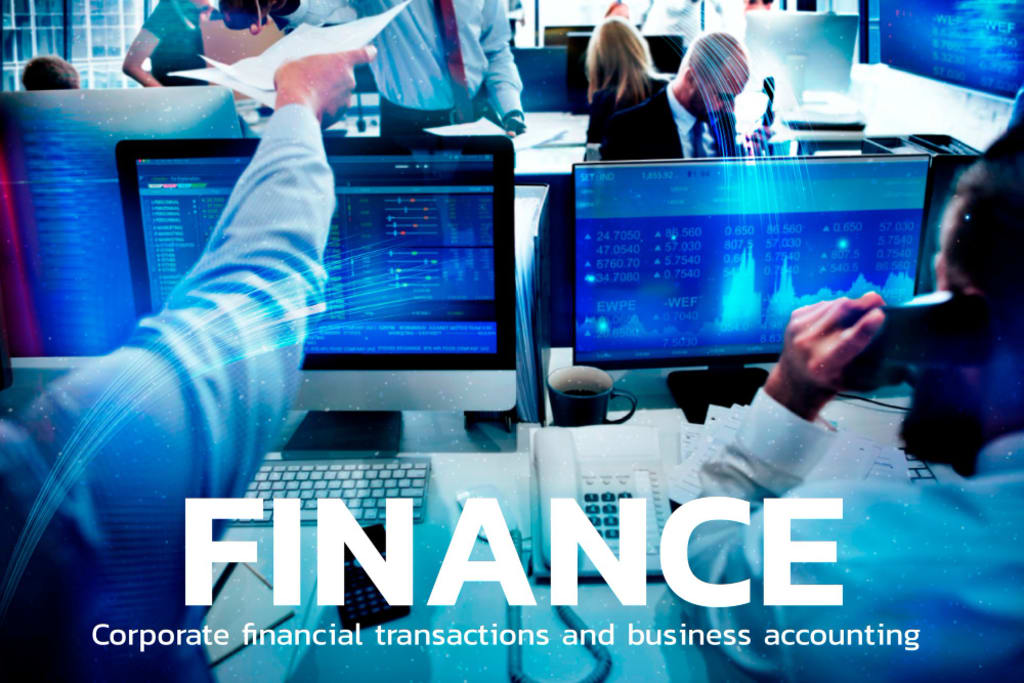
In the last decade, the world of finance has been quietly transformed by lines of code. What once were dusty ledgers and slow bank queues have evolved into instant payments, smart investing, and digital money movement. The force behind this shift? Fintech software — the technology enabling financial services to be faster, simpler, and more accessible than ever before.
At the heart of this revolution are developers, innovators, and companies pushing boundaries. Behind every tap-to-pay purchase and every algorithmic investment strategy lies the work of a fintech software development company — building systems that power the global economy in real time.
What Is Fintech and Why It Matters
Fintech, short for financial technology, refers to digital tools that improve how we manage money, invest, borrow, and pay. Think mobile wallets, robo-advisors, peer-to-peer lending platforms, and blockchain-powered transactions.
For consumers, fintech has meant convenience. No more waiting in line at the bank. No more paperwork for basic services. For businesses, this new wave of tech has unlocked global markets, streamlined operations, and reduced costs.
But the impact goes deeper than convenience. Fintech has fundamentally reshaped how financial systems work, creating new opportunities for inclusion, efficiency, and growth.
The Rise of Digital Banking
Perhaps the most visible fintech transformation is the rise of digital banking.
Traditional banks once relied on physical branches and manual processes. Today, many consumers never set foot in a bank. Digital banks and neobanks — born-digital platforms with minimal overhead — allow users to open accounts, transfer funds, and manage finances entirely online.
This shift didn’t happen by accident. Behind it lies complex software that ensures security, regulatory compliance, and seamless user experiences. These systems handle millions of transactions daily with high reliability and speed.
Payments and Transfers: Instant, Global, and Cheap
Remember when sending money internationally meant days of waiting and high fees? Fintech changed that.
Services like mobile wallets, instant transfer apps, and blockchain-based payment networks have slashed transaction times and costs. Innovations such as QR code payments and contactless tap-and-pay have become the norm, especially in countries where cashless transaction adoption outpaces traditional banking.
For businesses, this means reaching customers worldwide without the friction that once held them back. For consumers, it means money moves at the speed of life.
Smart Investing and Financial Inclusion
Fintech has also made investing more accessible. Robo-advisors use algorithms to build and manage investment portfolios at a fraction of the cost of human advisors. Apps allow fractional investing, letting anyone buy slices of stocks or funds with small amounts of capital.
By lowering the barriers to entry, more people than ever can participate in financial markets. This democratization helps bridge wealth gaps and encourages long-term financial planning for demographics previously excluded from investing.
Risk, Regulation, and Security in a Digital Age
With great power comes great responsibility. Fintech’s rapid expansion raises important questions around regulation, security, and ethical use of data.
Financial software must not only be powerful but also secure. Data breaches, fraud, and system vulnerabilities can erode trust instantly. That’s why modern fintech systems invest heavily in encryption, real-time monitoring, and compliance automation. Regulatory technology, or “RegTech,” has emerged alongside fintech to help companies satisfy global financial regulations without manual overhead.
Balancing innovation with safety is one of the most critical challenges the industry faces — and developers, regulators, and financial institutions must work together to get it right.
What’s Next: A Financial Future Built on Software
Looking ahead, emerging technologies like artificial intelligence, decentralized finance (DeFi), and machine learning promise even more dramatic changes. Imagine self-executing contracts that handle complex financial arrangements or AI advisors that adapt continuously to market conditions and personal goals.
These innovations will continue to reshape not only how we pay, save, borrow, and invest — but how entire economies function.
Conclusion: From Lines of Code to Lines of Credit
Fintech isn’t just technology — it’s a doorway to a more connected, equitable financial world. What began with simple improvements to banking and payment systems has blossomed into an ecosystem powering trillions in global economic activity.
The journey from code to capital continues as technology evolves. For businesses and consumers alike, embracing these innovations means better services, faster transactions, and more opportunities to participate in the financial system.
About the Creator
Aarti Jangid
I’m Aarti Jangid, an SEO Executive at Dev Technosys, a leading eCommerce App Development Company and committed to delivering high-quality, scalable, and feature-rich eCommerce solutions.
Keep reading
More stories from Aarti Jangid and writers in 01 and other communities.
The Changing Architecture of Finance Through Fintech Software – 2026
Introduction The global financial ecosystem is undergoing a structural transformation driven by fintech software. By 2026, finance is no longer defined solely by traditional banks, rigid systems, or centralized control. Instead, it is shaped by agile digital platforms, open ecosystems, real-time data processing, and customer-centric innovation. Fintech software has redefined how money is stored, transferred, invested, and managed, fundamentally changing the architecture of finance at both institutional and consumer levels.
By Aarti Jangid2 days ago in 01
What Real Estate Apps in San Diego Get Wrong About Users?
Laura Kim didn’t question whether people liked the app. The numbers were undeniable. Thousands of installs each month. Long browsing sessions. Homes saved and unsaved repeatedly. Map views that stretched late into the night.
By Mike Pichaiabout 7 hours ago in 01


Comments
There are no comments for this story
Be the first to respond and start the conversation.