
The Role of Sustainability in the Perfume Industry: How Green Fragrances Are Changing the Scent Game
How Eco-Conscious Scents Are Redefining Luxury
Why Sustainability Smells So Good in 2025?
A new transformation takes place within the fragrance industry which extends beyond traditional scent development. The increasing awareness about sustainability has led sustainable perfume to evolve from a passing fad to a customer requirement. Modern consumers seek scents which create attention but also demonstrate their personal values. Eco-friendly fragrances will expand their global market beyond $9.5 billion during the upcoming years till 2027. The figure represents a definitive sign that ethical clean and green beauty is experiencing explosive growth.
This article provides detailed information about:
- What makes a perfume sustainable
- Brands are transitioning toward obtaining perfumes through ethical sources while offering organic fragrance products to the market.
- Manufacturers have transformed their production methods as well as their product packaging methods.
- The authentic definition of sustainability together with methods for spotting fabrication within sustainability initiatives
- A number of outstanding brands exemplify how sustainable practices should be implemented.
Why Sustainability Matters in Perfumery?
Let’s talk about the real impact. The production process of traditional perfumes hides unglamorous aspects from consumers. The majority of perfumes contain synthetic chemicals while being wrapped in single-use plastic materials and their manufacturing methods frequently result in environmental deterioration and social harm. Here’s the breakdown:
Environmental Concerns
The manufacturing process of traditional perfumes depends on ingredients made from petroleum chemicals. The heavy contribution of packaging waste to landfills becomes worse because perfume bottles typically contain multiple non-recyclable materials. Industrial manufacturing that depends on water and energy will become unsustainable because it uses them in excessive quantities.
Ethical Sourcing & Animal Testing
Several perfume brands maintain their use of animal-derived substances (musk and ambergris) as well as conduct animal testing procedures. The collection of ingredients such as sandalwood or vanilla through harvesting practices often leads to unfair labor treatment particularly in places where regulations are weak.
Consumer Shift
The modern consumer exhibits both better knowledge and stronger vocalization. Customers seek open product information along with pure components and responsible brand management.
Major Sustainable Practices Operate in the Perfume Manufacturing Domain
Natural & Organic Ingredients
Natural perfume producers together with organic brands now prefer to use:
- Cold-pressed essential oils
- Plant-based extracts
- Organic sugarcane and grain serve as the sources for alcohol production.
The industry transition decreases both the potential for skin reactions and environmental degradation.
Example: Brands like Heretic Parfum and Floral Street lead with 100% plant-based formulations.
Ethical Sourcing
Sustainability operates on two levels because it protects both the environment together with the people who live upon Earth. Ethical sourcing means:
- Fair wages
- Safe working conditions
- Support for local communities
Seek out Fair Trade, Rainforest Alliance, For Life and similar certifications when selecting vegan perfumes from brands you prefer.
Green Chemistry
The production of safe non-harmful chemical ingredients through biotechnology and renewable compounds makes up “Green Chemistry.” The combination of laboratory-made musk with fermented rose extract provides identical fragrance without any environmental damage.
The Dutch company Abel Odor leads this innovation through their development of biodegradable natural ingredients.
Eco-Packaging
Packaging innovation finds its ecological purpose in this field.
Leading brands are switching to:
- Glass bottles with removable pumps
- Refillable perfume packaging
- Recycled and biodegradable materials
- Low-waste packaging designs
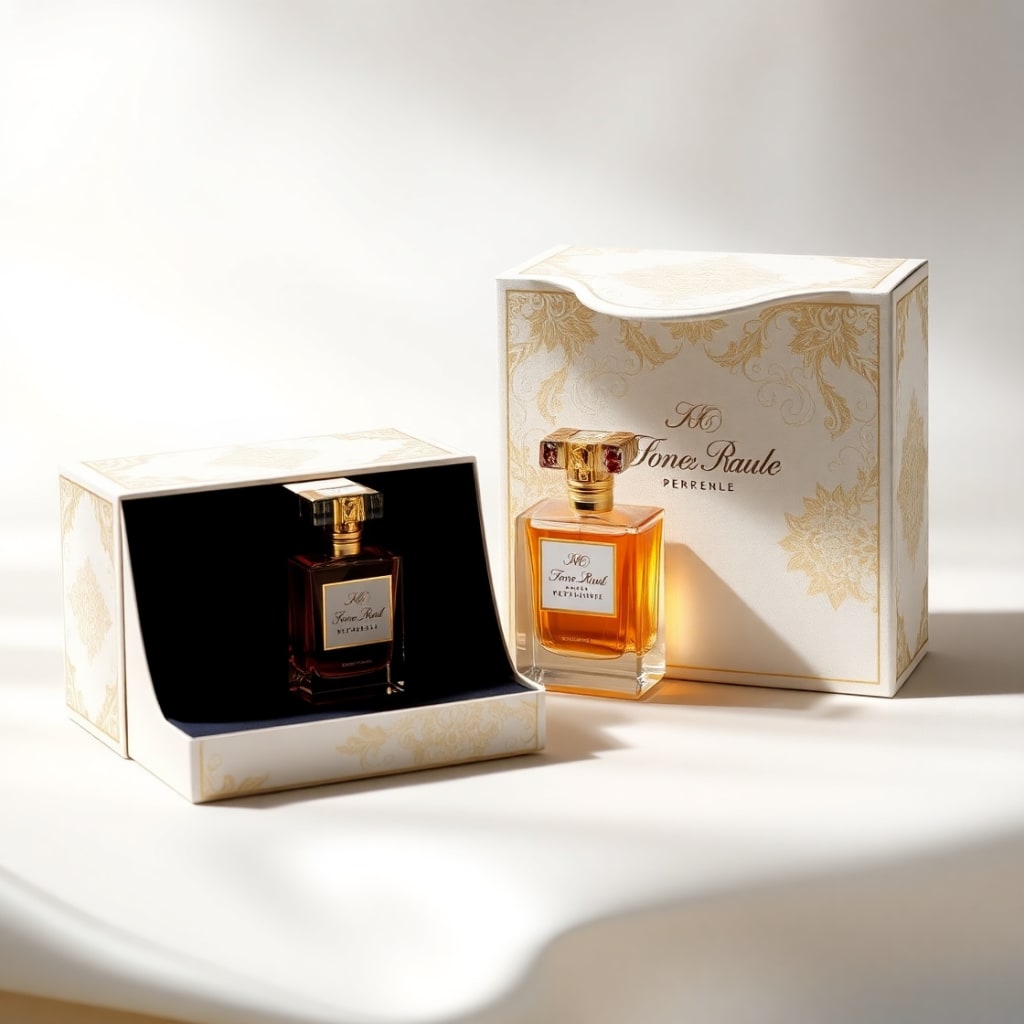
A sustainable perfume brand needs Custom Perfume Packaging Boxes as part of its development process. Smart packaging = better brand image + less waste.
Carbon-Neutral Production
Brands are now:
- Offsetting emissions
- Using solar-powered facilities
- The packaging solution combines compostable materials together with recycled mailers for delivery purposes.
Every journey matters most during extensive supply chain operations.
Challenges in Achieving True Sustainability
The sustainable perfume industry faces multiple challenges that create obstacles for its successful implementation. Brands along with consumers currently deal with these key issues:
Cost Barriers
Natural ingredients together with ethical business practices have high production costs. The relatively high costs of small independent brands make it difficult for them to tackle mass market products at cheaper prices.
Greenwashing
A few companies misuse marketing terms such as “green” and “natural” by adding them to their products although they lack proper documentation. Brand practices of misleading customer perception result in loss of trust between companies and their customers. Before making a purchase always verify that the product meets certification standards and carries complete ingredient disclosure as well as sustainable practice documentation.
Limited Ingredient Availability
The availability of organic materials can be limited because certain products are difficult to obtain or exist only during particular seasons and because excessive sandalwood harvesting threatens the environment. Sustainable doesn’t mean unlimited.
Leading Brands of Sustainable Perfumes
1. Lush
The brand Lush produces bath bombs as its main product while selling vegan solid perfumes that come in zero waste packaging.
2. Byredo (Vegan Line)
Chic, luxurious, and vegan? Yes please. Byredo continues to develop refillable bottle programs and selects fragrances derived from natural plant materials.
3. Abel
The Amsterdam-based company Abel merges green chemical innovations with luxury simplicity in their operations. Their mission? The brand strives to lead the world toward the most sustainable fragrance brand existence.
4. Henry Rose
Actress Michelle Pfeiffer accomplished the establishment of an environmentally focused brand that uses EWG-verified and sustainable elements in its operations from extraction to delivery.
5. The 7 Virtues
The brand delivers essential oils from post-conflict countries such as Haiti and Rwanda through their fair trade initiative that builds sustainability with social achievements.
Conclusion: Smelling Good, Doing Better
The sustainable perfume revolution surpasses the status of a short-lived trend to become a revolutionary fragrance movement. Brands currently hold an open opportunity by which they can innovate and inspire environmentally responsible leadership through better ingredients and ethical sourcing alongside green packaging solutions. Your pursuit of sustainable products extends from shopping for vegan perfume to business development within green fragrances yet sustainability stands as a journey rather than a goal for absolute perfection. It’s about progress. Custom Perfume Packaging Boxes offer an opportunity to those who want to start their own brand while aligning packaging design with their values since quality design and sustainability work together.
About the Creator
Keep reading
More stories from Noah David and writers in 01 and other communities.
Mastering Perfume Marketing: Strategies to Elevate Your Brand
The perfume market consists of intense competition between luxury brands alongside rising niche perfume manufacturers. A successful perfume needs strong brand marketing to distinguish itself from the many other options that consumers have. Your fragrance has potential to become a must-have item through effective brand marketing that includes defining identity along with social media and packaging manipulation.
By Noah David9 months ago in 01
Twitter Down
Twitter Down When a major social media platform like Twitter experiences technical problems, millions of users immediately search for answers. Twitter, also known as X, plays a central role in news sharing, public discussion, and real time updates, so even short disruptions can feel significant. Recently, many users have reported difficulties accessing Twitter, loading timelines, posting content, or using certain features. This has led to widespread questions about whether Twitter is down, why it happens, and what users should expect. This article answers the most common questions people search for and explains the situation clearly.
By America today 4 days ago in 01
Mobile App Development Costs Seattle Companies Need to Know
It usually happens in a quiet conference room or at a kitchen table turned into an office. A Seattle business leader studies a proposal and feels conflicted. The number makes sense on paper. It fits the spreadsheet. Yet something about it feels incomplete.
By Mary L. Rodriquezabout 3 hours ago in 01


Comments
There are no comments for this story
Be the first to respond and start the conversation.