
The Role of Rubber Mounts in Modern Automation and Robotics
Enhancing Precision, Durability, and Vibration Control in Advanced Systems
Introduction to Vibration Challenges in Automation
Modern automation systems are faster, more accurate, and more intricate than ever before. With this rise in complexity, even small vibrations can have a disproportionate effect on performance and safety. Robotic arms, precision feeders, and sensor-dependent units are often required to operate within extremely tight tolerances. If vibrations persist unchecked, they can cause wear on components, data errors, and even shutdowns.
In assembly lines, vibrations may be generated from motors, nearby heavy machinery, or even operational feedback loops. The need to isolate these disturbances has led to a growing reliance on industrial rubber mounts across automation and robotics sectors.
Increased Sensitivity in Robotic Systems
Automation components are becoming lighter and faster, but that also makes them more susceptible to external mechanical forces. A small shake in one area can travel quickly through rigid mounts or enclosures, distorting positional accuracy. In collaborative robotics, where machines operate alongside people, any unintended movement presents an added layer of risk.
Consequences of Unchecked Vibration
Vibration does more than just reduce operational accuracy — it can shorten equipment lifespan, increase maintenance intervals, and introduce noise pollution. Components may loosen over time or suffer micro-fatigue, especially in high-speed setups. These issues are avoidable with the correct use of isolation mounts designed specifically for robotic environments.
What Are Industrial Rubber Mounts?
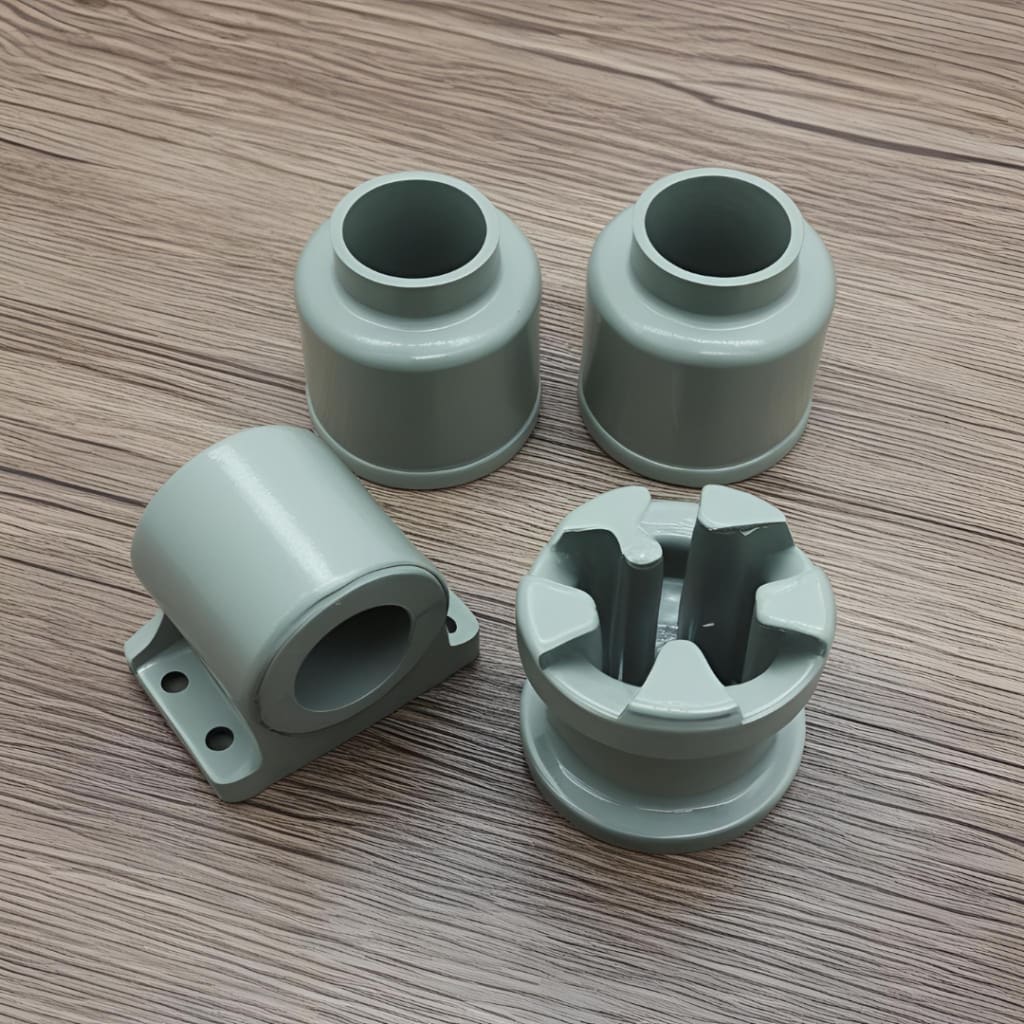
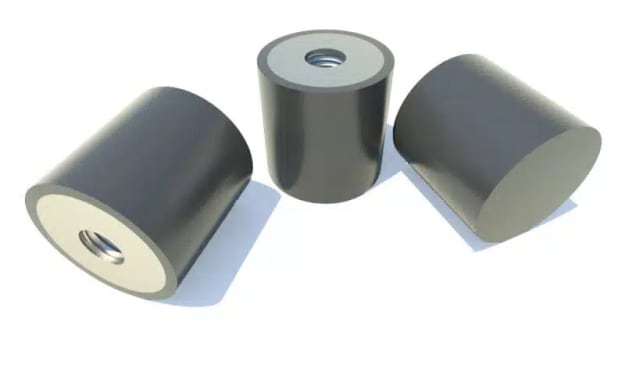
Industrial rubber mounts are mechanical supports used to absorb and isolate vibrations between connected components. They are engineered to manage energy transfer while providing mechanical stability, reducing noise, and protecting surrounding parts from repetitive motion damage.
Composition and Design Principles
Unlike general-purpose rubber fittings, industrial rubber mounts are built using metal-elastomer bonding techniques. This construction allows them to manage both axial and radial loads while withstanding harsh operating environments. The elastomer material — often natural rubber or synthetic variants like neoprene or EPDM — is selected for specific load-bearing and damping characteristics.
Each mount is tuned for a particular frequency range. When correctly specified, it reduces vibration transmission through resonance cancellation. Designs may include bonded bushes, conical mounts, bobbins, or base mounts depending on the application requirements.
Differences from General Rubber Mounts
While a basic rubber mount might serve in consumer products or static machinery, industrial rubber mounts are subject to far more rigorous demands. They are often used in continuous-duty environments, requiring greater fatigue resistance, chemical stability, and customisation potential. Moreover, they are typically validated through testing procedures to ensure consistency across operational cycles.
Application of Anti Vibration Mounts in Robotics
Stability During High-Speed Operations
Robotic systems used in high-speed assembly and pick-and-place tasks need consistent balance and support. Anti vibration mounts reduce shifting and torsion, especially when directional changes occur in milliseconds. This stability contributes directly to maintaining speed without sacrificing control.
Extending Equipment Lifespan
Vibration isolation plays a significant role in reducing cumulative stress on joints, servos, and connection points. With fewer micro-movements, components avoid misalignment, wear, and loosening. For production teams, this translates to longer intervals between servicing and greater equipment availability.
Real-World Industry Examples
Automation in packaging, automotive assembly, and electronics often integrates anti vibration mounts in linear actuators, control cabinets, and robotic joints. In each case, reducing vibration leads to more consistent output, fewer faults, and better long-term returns on investment.
Enhancing Precision in Automated Systems
Mounts for Axis Calibration
One of the lesser-seen benefits of industrial rubber mounts in robotics is their ability to assist with axis calibration. As machines age or operate in high-vibration environments, fine adjustments to axis positions can drift. Isolating each unit from ambient vibration helps ensure those axes remain consistent over time, especially in multi-axis robotic arms.
Precision tools like laser cutters or automated inspection stations also benefit from mounts that eliminate vibrational noise, allowing for better repeatability and smoother transitions between programmed positions.
Impact on Repeatability and Tolerance Levels
In robotics, repeatability is the metric that matters most. Being able to return to the exact same point on every cycle is vital for pick-and-place tasks, welding, and automated inspection. Anti vibration mounts help minimise the inconsistencies caused by environmental disturbances. When a system is properly isolated, its mechanical performance becomes easier to predict and maintain.
By reducing the risk of cumulative error, well-chosen mounts enable production lines to run tighter tolerances without increasing rejection rates or rework.
Noise Reduction Benefits in Industrial Settings
Importance in Safety-Compliant Environments
Automation often runs in parallel with human activity, particularly in semi-automated or collaborative workspaces. Noise pollution from high-frequency vibration isn't just disruptive — it can breach occupational safety limits. Rubber isolation mounts play a part in managing decibel levels, creating quieter work zones that align with health and safety standards.
In sectors like medical device manufacturing or food packaging, where hygiene and focus are critical, reduced machine noise directly improves both productivity and working conditions.
Reduced Fatigue and Improved Focus for Operators
Operators working in noisy environments experience higher cognitive load, which increases error rates and fatigue. Reducing vibration at the source through proper mounting dampens structure-borne noise and improves concentration. This subtle improvement can have a measurable impact across shifts, particularly in long-running operations.
Choosing the Right Rubber Mount for Robotic Use
Load-Bearing Calculations
Selecting an anti vibration mount is not a one-size-fits-all exercise. Weight distribution, direction of force, and operational frequency all affect performance. Engineers need to calculate static and dynamic loads to ensure each mount delivers adequate support without introducing excessive rigidity.
Material Resilience and Environmental Resistance
Exposure to oils, solvents, extreme temperatures, or outdoor conditions calls for different elastomer types. Industrial rubber mounts used in robotic environments must maintain their properties under these stresses. In marine robotics or outdoor agricultural automation, resistance to UV and ozone degradation is equally critical.
The Role of Technical Support and Custom Solutions
Off-the-shelf mounts don’t always match the needs of advanced robotic installations. Access to technical support or custom development services allows teams to specify mounts tuned for their systems. This can include unique geometries, dual-hardness elastomers, or mounts designed for restricted envelope spaces.
Fibet, for instance, offers complete design and testing services for complex vibration isolation problems across automotive, marine, rail, and industrial sectors. Their approach includes turnkey support and robust validation, ensuring the selected mount performs under real-world conditions.
The Future of Vibration Isolation in Automation
Trends in Robotics Requiring Higher Damping Precision
As automation continues to integrate with AI, computer vision, and machine learning, the margin for mechanical error narrows. Robotic systems used in micro-assembly or precision dispensing must operate at sub-millimetre levels. Even slight vibration can affect performance. The demand for mounts capable of finer damping control is increasing, especially in fields like electronics, biotech, and space-grade manufacturing.
New mount designs are emerging to address this, featuring multi-axis isolation, predictive wear monitoring, and adaptive stiffness. Industrial rubber mounts are no longer static parts — they are becoming smarter, more integrated, and better tuned to the machines they support.
Integration with Smart Monitoring Systems
Vibration isolation is evolving into a monitored performance feature. Some modern mounts now incorporate sensors to measure strain, temperature, and resonance. This data can be fed into predictive maintenance platforms, allowing for earlier intervention before faults develop.
This approach aligns with Industry 4.0 objectives, where automation systems operate with embedded intelligence and real-time diagnostics. The rubber mount, once seen as a passive component, is starting to contribute actively to system health monitoring and control.
Final Thoughts
Industrial rubber mounts play a crucial role in enabling the performance and reliability of modern automation systems. From improving precision to managing workplace noise, these components offer more than just mechanical support. They allow engineers to push the limits of robotics while maintaining stability, safety, and consistency.
With anti vibration mounts becoming increasingly specialised, manufacturers need to consider application-specific requirements — from material resilience to damping response curves. As automation grows more advanced, so too does the need for isolation solutions that support both speed and accuracy.
By choosing the right vibration control components, including custom-engineered options when needed, robotic systems can deliver more output with fewer interruptions — and maintain their integrity for longer operational cycles.



Comments
There are no comments for this story
Be the first to respond and start the conversation.