
Rubber vs. Polyurethane Buffers: Which One Should You Pick?
A simple guide to choosing the right buffer for durability, comfort, and performance.

When it comes to vibration control, noise reduction, and protecting machinery from wear and tear, anti vibration buffers play a huge role. Two of the most widely used materials are rubber buffers and polyurethane buffers. Both are designed to absorb shocks and reduce vibration, but they’re not the same in terms of performance, durability, and applications. If you’re confused about which one to choose, you’re not alone. Let’s break down the differences and help you make the right decision.
What Are Buffers and Why Do They Matter?
Buffers are essentially shock absorbers. They sit between two components and prevent direct metal-to-metal contact, which can cause vibration, noise, and even serious damage over time. Whether it’s in an automobile suspension, heavy industrial machinery, or even everyday equipment like washing machines, buffers ensure smoother operation and longer life of parts.
The material of the buffer is what makes the real difference. Rubber and polyurethane are the two most popular options, but each behaves differently under stress, temperature, and load.
Understanding Rubber Buffers
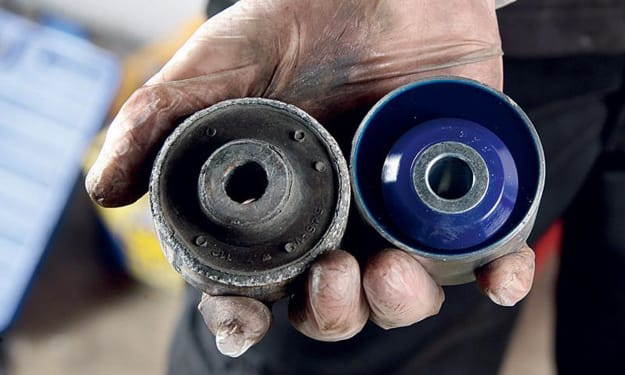
Rubber buffers have been around for decades, and they remain a go-to choice for many industries. Made from natural or synthetic rubber, these buffers are known for their excellent flexibility and vibration absorption.
Advantages of Rubber Buffers
Rubber has a unique property—it’s soft yet strong enough to take repeated impacts. This flexibility makes it ideal for applications where high vibration damping is needed. For example, in vehicles, rubber buffers reduce road noise and absorb shocks from rough surfaces.
Rubber also performs well in colder environments because it retains its elasticity, ensuring consistent performance across varying conditions. On top of that, rubber is relatively cost-effective, making it suitable for mass production.
Limitations of Rubber Buffers
While rubber does a great job at absorbing shocks, it isn’t perfect. Rubber tends to wear out faster under high stress or when exposed to oils, chemicals, or extreme heat. Over time, it can crack, harden, or lose its elasticity, which means more frequent replacements compared to polyurethane.
Understanding Polyurethane Buffers
Polyurethane is a synthetic material that has become increasingly popular in modern engineering. It combines some of the flexibility of rubber with added strength and resistance.
Advantages of Polyurethane Buffers
Polyurethane buffers are known for their toughness. They can handle heavier loads and harsher conditions than rubber. In industries where equipment is exposed to oil, grease, or chemicals, polyurethane is often preferred because it resists degradation much better.
Another big plus is longevity. Polyurethane buffers generally outlast rubber ones, which means fewer replacements and reduced maintenance costs. They also come in a wide range of hardness levels, which allows manufacturers to customize them for specific applications—something that’s harder to achieve with rubber.
Limitations of Polyurethane Buffers
That said, polyurethane is not always the best choice. While it resists chemicals and wear better, it doesn’t absorb vibrations as effectively as rubber. This makes it less suitable for applications where noise and comfort are top priorities, such as passenger vehicles. Polyurethane can also be more expensive, which is a factor businesses must weigh against its durability.
Rubber vs. Polyurethane: Performance Comparison
When comparing rubber and polyurethane, it’s not a matter of one being “better” than the other. The decision depends on where and how the buffer will be used.
Vibration Absorption
Rubber takes the lead when it comes to vibration damping. Its natural elasticity helps in minimizing noise and absorbing shocks, making it perfect for automotive suspensions, engine mounts, and equipment that needs smooth operation.
Durability and Wear Resistance
Polyurethane stands out in terms of durability. It can withstand abrasive environments, heavy loads, and exposure to harsh chemicals without degrading quickly. That’s why it’s widely used in heavy industrial machinery, mining equipment, and construction applications.
Cost Considerations
Rubber is generally more affordable, especially for large-scale production. Polyurethane, while costlier upfront, may save money in the long run because of its extended lifespan and lower maintenance requirements.
Choosing the Right Buffer for Your Application
When deciding between rubber and polyurethane buffers, the key is to look at the operating environment and performance needs.
If the priority is noise reduction and comfort, rubber is the clear winner. This is why it dominates in the automotive and household equipment industries. But if the application involves harsh conditions, chemical exposure, or heavy loads, polyurethane is the better choice.
Common Applications of Rubber Buffers
Rubber buffers are widely used in cars, motorcycles, and trucks to reduce vibration and improve ride quality. They’re also common in consumer appliances like washing machines, where they prevent loud noises during operation. In industrial machinery, rubber buffers help minimize vibrations that could otherwise cause wear and tear on sensitive components.
Common Applications of Polyurethane Buffers
Polyurethane buffers are the go-to choice in industries that demand toughness. They’re often found in construction equipment, mining machinery, and agricultural tools. Polyurethane is also used in applications where components come in contact with oils and solvents, as it won’t break down like rubber.
Final Thoughts: Rubber or Polyurethane?
The choice between rubber and polyurethane buffers depends entirely on your priorities. If you want superior vibration damping, lower cost, and comfort, rubber is the way to go. But if you need durability, resistance to chemicals, and long-term performance, polyurethane is worth the investment.
Both materials have their place in the industry, and sometimes the smartest solution is a combination of both—using rubber in places where comfort matters and polyurethane where strength and resistance are critical.
About the Creator
Mobile App Development Seattle: Best Practices for Startups
It usually happens during the first real sprint review. The app exists now. Screens load. Buttons respond. Yet something feels fragile. A small change breaks another flow. Performance dips when more users log in than expected. A founder leans back and realizes the uncomfortable truth.
By Mike Pichai2 days ago in 01
10 Companies Influencing Mobile App Development Costs in 2026
Google’s 2026 infrastructure pivot toward AI Retrieval has officially decoupled mobile development costs from traditional labor-hour models. We are witnessing a tectonic shift where Entity Accountability dictates market entry pricing rather than simple feature complexity.
By Del Rosario6 days ago in 01
My New Book is Finally Here
My poetry collection Beautiful and Brutal Things is done. It's actually done and finally published over 270 pages. Over a year of my life went into this book. More than a year, really. Long days at my computer, sometimes seven days a week because I couldn't stop even when I probably should have. Then two months of editing that felt harder than the writing itself. But it's finished, and I'm still standing, and the book is real.
By Tim Carmichael5 days ago in BookClub



Comments
There are no comments for this story
Be the first to respond and start the conversation.