
The Role of Automation and Sensors in Raising Concrete Plant Price
Explore how automation and sensor technology enhance concrete batch plants’ performance while influencing their overall price and value.

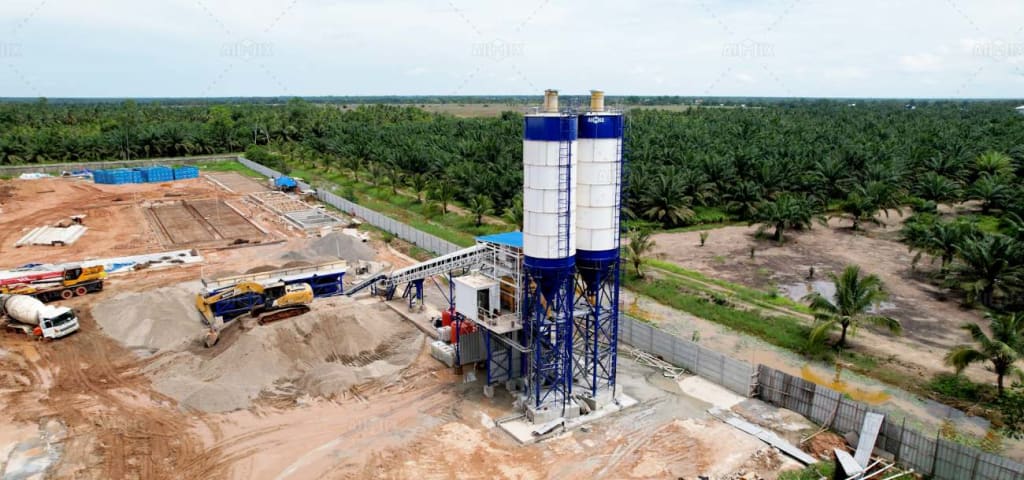
In the rapidly evolving construction industry, concrete batch plants have become more than just places where raw materials are mixed. With the advancement of technology, automation and sensor systems have been integrated into these plants, dramatically improving efficiency, quality control, and operational safety. However, these technological improvements come with increased upfront costs. This article explores the role of automation and sensors in concrete batch plant and how they influence the overall price of the equipment.
What Is a Concrete Batch Plant?
A concrete batch plant is a facility where raw materials like cement, sand, water, and aggregates are combined in specific proportions to produce concrete. These plants can be stationary or mobile and are essential for producing consistent, high-quality concrete for construction projects.
Traditional batch plants relied heavily on manual operation and basic control systems. Today’s modern batch plants are equipped with advanced automation and sensor technology that enhances productivity, accuracy, and safety.
Automation and Sensors: What Do They Bring to Concrete Batch Plants?
1. Improved Accuracy and Consistency
Automation in concrete batch plants means precise control over the batching process. Programmable logic controllers (PLCs) manage the timing, weighing, and mixing operations based on predefined parameters. Sensors provide real-time data such as moisture content, temperature, and material flow rates, enabling the system to make adjustments on the fly.
This level of precision guarantees consistent concrete quality, which is critical for structural integrity and compliance with industry standards.
2. Enhanced Operational Efficiency
Automated systems reduce human error and labor costs by controlling the entire process from material loading to mixing and discharge. Sensors detect anomalies and notify operators to prevent batch defects or equipment malfunctions. As a result, plants can operate continuously with minimal downtime, boosting production capacity.
3. Remote Monitoring and Control
Many modern concrete batch plants come with cloud-based monitoring platforms. These allow plant managers to track performance metrics remotely, access historical data, and receive maintenance alerts. Remote control capabilities mean operators can adjust processes without physically being on site, which is especially useful for mobile batch plants working in remote areas.
4. Predictive Maintenance
Sensors monitor equipment health by measuring vibrations, temperature, and motor loads. Predictive maintenance alerts help identify issues before they lead to costly breakdowns, prolonging equipment lifespan and reducing unplanned downtime.
5. Improved Safety
Automated safety protocols triggered by sensor data minimize risks associated with overloading, equipment failure, or hazardous material handling. These safeguards protect personnel and reduce liability for plant operators.
How Automation and Sensors Impact Concrete Batch Plant Price
1. Higher Initial Investment
The integration of advanced automation systems and a network of sensors inevitably increases the capital cost of a concrete batch plant. These components require specialized hardware, software, and skilled installation. Manufacturers often pass these costs onto buyers.
2. Customizable Systems Add Cost Variability
Not all batch plants have the same level of automation. Entry-level models may feature basic control panels and a few sensors, while high-end plants have fully integrated systems with sophisticated data analytics and remote access. The price of a concrete batch plant correlates strongly with these features.
3. Software Licensing and Support Fees
Modern plants often use proprietary control software requiring ongoing licenses or service agreements, adding to the total cost of ownership beyond the initial purchase price.
Balancing Cost vs Benefits
While automation and sensors raise the upfront concrete plant price, they deliver significant value:
Reduced labor costs: Less manual intervention means fewer workers needed on site.
Lower material waste: Accurate batching reduces cement, water, and aggregate waste.
Higher production output: Continuous, efficient operation increases concrete volume produced.
Better quality control: Consistent batches reduce rework and project delays.
Long-term savings: Predictive maintenance and reduced downtime lead to lower operating expenses.
For contractors and producers looking for efficiency and reliability, these benefits often justify the higher purchase price.
Automation and Sensors in Different Types of Concrete Batch Plants
Stationary Plants
Stationary concrete batch plants designed for high-volume, long-term projects are typically the most advanced in terms of automation and sensor integration. They support large-scale production with multiple material silos, conveyors, and mixers managed by centralized control systems.
Mobile and Portable Plants
Mobile and portable batch plants, which are increasingly popular for remote or short-term projects, are also incorporating automation. Though compact, these plants feature user-friendly control panels and sensors to maintain quality and efficiency on the move.
How to Choose the Right Automated Concrete Batch Plant
When considering an automated concrete batch plant, evaluate:
Project size and production capacity needs
Level of automation required (basic vs full integration)
Budget constraints and total cost of ownership
Availability of local technical support and training
Compatibility with existing workflows and reporting needs
A clear understanding of operational goals and budget will help in selecting the right balance of automation features.
Final Thoughts
Automation and sensors have revolutionized concrete batch plants, turning them into smart, efficient, and safer facilities. While these innovations increase the concrete batch plant price, they also add tremendous value through improved quality, reduced waste, and operational efficiency. For companies aiming to stay competitive in today’s market, investing in an automated plant is a strategic move that pays dividends over time.
If you’re looking to purchase a concrete batch plant, consider the level of automation and sensor integration carefully to maximize your return on investment.
About the Creator
consrtuctionmachines
AIMIX is a customer-center-oriented heavy equipment manufacturer and supplier, devoted to production, innovation, combination, one-stop solution, etc.
https://aimixgroup.com/
Keep reading
More stories from consrtuctionmachines and writers in 01 and other communities.
The Role of Technological Advancements Shaping Concrete Mixer Prices in Malaysia
Concrete mixers are essential tools in Malaysia's booming construction industry. Technological advancements are constantly reshaping these machines, influencing their prices significantly. Understanding these changes is crucial for buyers aiming to make informed decisions. This article explores how technology affects concrete mixer pricing, with a focus on self-loading mixers.
By consrtuctionmachines7 months ago in 01
YouTube Marketing vs Spotify Marketing in 2026: An Honest, No-Filter Take
I have worked with brands that swear by YouTube and others that spend heavily on Spotify. After watching campaigns succeed and fail on both sides, one thing is clear in 2026. These platforms are not competitors. They behave like two completely different worlds.
By SearchEngineWaysabout 24 hours ago in 01
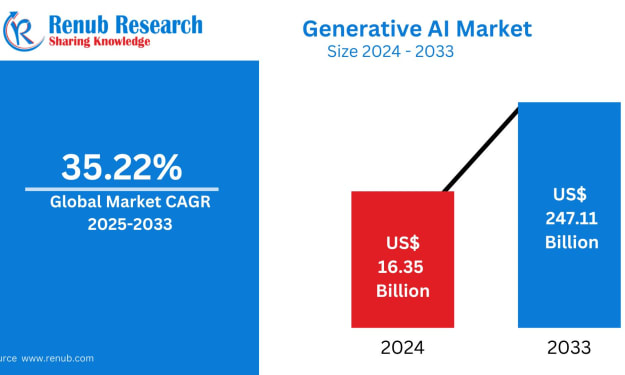
Generative AI Market Size and Forecast 2025–2033: The Technology Redefining Creativity, Productivity, and Intelligence
Generative AI Market Overview The Generative AI Market is expected to reach US$ 247.11 billion by 2033, expanding rapidly from US$ 16.35 billion in 2024, at a remarkable CAGR of 35.22% from 2025 to 2033. This explosive growth reflects a fundamental shift in how businesses, governments, and consumers interact with technology. No longer limited to analyzing data or predicting outcomes, generative AI systems now create—producing original text, images, videos, music, software code, and even scientific hypotheses.
By Renub Researchabout 12 hours ago in 01



Comments
There are no comments for this story
Be the first to respond and start the conversation.