
The Role of AI in Personalizing EV Charging App Experiences
Transforming User Interactions with Tailored EV Charging Solutions

Introduction
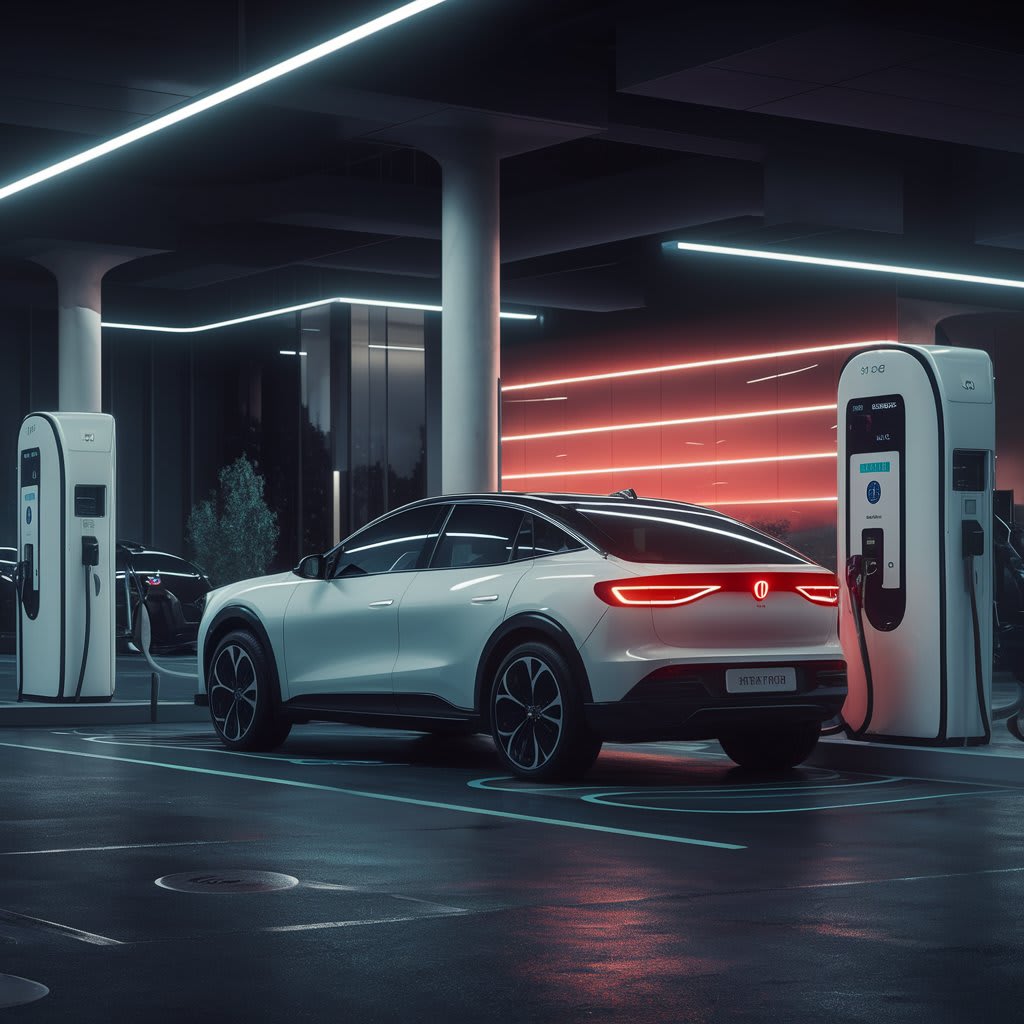
Electric vehicles (EVs) are rapidly becoming a fixture on roads around the world, and as their popularity rises, so does the need for efficient EV charging solutions. Enter the power of Artificial Intelligence (AI). AI is revolutionizing the EV charging experience, tailoring it to fit the unique preferences and needs of each driver. Through the analysis of data and emergent technologies, AI is enabling smarter, faster, and more user-friendly EV charging apps, enhancing the overall user experience and optimizing charging operations. Whether you're a daily commuter or an occasional road-tripper, AI in EV charging apps promises to make your electric vehicle journey smoother and more efficient.
The Growing Popularity of Electric Vehicles (EVs)
Electric Vehicles (EVs) are no longer just a futuristic concept; they're a core part of today's automotive industry. With a growing awareness of environmental issues and the advancement in battery technology, consumers are increasingly adopting EVs as their preferred method of transportation. This shift is supported by governments worldwide through incentives and regulations aimed at reducing carbon emissions.
Rising Demand for Efficient Charging Solutions
As the number of EVs on the road grows, so does the need for more efficient and accessible charging infrastructure. This demand challenges the industry to not only increase the number of charging stations but also improve the speed and convenience of charging services. Users are looking for quick, hassle-free charging experiences that fit seamlessly into their daily routines.
Importance of User-Friendly Charging Experiences
A user-friendly charging experience is vital in promoting the adoption of electric vehicles. Ease of use, accessibility, and reliability are top priorities for EV drivers, particularly those relying on public or semi-public charging stations. Charging apps are increasingly becoming the solution to enhancing these experiences, providing crucial information like station location, availability, and charging status, all in real-time.
The Emergence of AI in EV Charging Apps
The integration of Artificial Intelligence (AI) in EV charging apps represents a significant leap forward in making electric vehicle charging more accessible and efficient.
Introduction to Artificial Intelligence (AI) Technology
AI involves using algorithms and software to simulate human cognition in the analysis of complex data. AI technology can process vast amounts of information quickly, learning from data patterns to make intelligent decisions. In the context of EV charging apps, AI can be used to analyze driver behavior, optimize charging schedules, and predict maintenance needs for charging stations.
Application of AI in Enhancing User Experiences
Through AI, EV charging apps can offer a highly personalized experience for users. For instance, AI algorithms can suggest the best times for charging based on the user’s daily schedule and historical data, help locate available charging stations equipped with the necessary specifications, and even predict future availability. AI can also adjust charging recommendations based on energy pricing fluctuations, allowing users to charge their EVs at the most cost-effective times.
Benefits of AI-Powered EV Charging Apps
The benefits of AI in EV charging apps are substantial:
- Personalization: Tailoring charging recommendations to individual needs and preferences.
- Efficiency: Improving the utilization of charging stations and reducing wait times.
- Cost savings: Informing users of the optimal charging times based on lower energy rates.
- Predictive analytics: Enhancing the maintenance and operation of charging stations by predicting failures before they happen.
These AI-driven capabilities not only improve the user experience but also support broader goals of sustainability and efficiency in the EV ecosystem.
Personalization in EV Charging Apps
Understanding User Behavior through AI
Electric vehicle (EV) charging apps are increasingly turning to AI to offer a more customized experience for their users. By analyzing vast amounts of data on driving habits, charging patterns, and even typical energy consumption, AI algorithms can understand specific user behaviors and preferences. This involves tracking the times and frequencies of charging, preferred locations, and even the types of journeys commonly undertaken (such as commuting to work versus long interstate trips). This deep dive into user behavior allows the app to fine-tune its services to match individual needs more closely, enhancing user satisfaction and app usability.
Tailoring Recommendations for Individual Users
With insights gleaned from AI-driven analysis, EV charging apps can tailor recommendations that align closely with each user’s unique requirements. For example:
- Suggesting charging stations based on the user's most visited locations or on-route during regular commutes.
- Offering special deals or rates at preferred charging points.
- Advising on the best times to charge based on historical pricing data and user charging patterns to optimize cost savings.
These personalized recommendations not only improve the user experience but also help in building user loyalty and engagement with the app.
Enhancing User Convenience through AI Features
Predictive Charging Recommendations
AI can also enhance convenience by providing predictive charging recommendations. By analyzing current battery usage and comparing it with typical travel routes and habits, the app can predict when and where the user will likely need a charge next. This proactive approach helps in planning charging stops before the battery level becomes critically low, ensuring continuous mobility and peace of mind.
Optimized Routing for Efficient Charging
Optimized routing is another feature where AI significantly contributes to user convenience. AI algorithms can integrate real-time traffic data, charger availability, and energy consumption rates to plot the most efficient route to the nearest or most suitable charging station. This not only saves time but also reduces range anxiety—the fear of running out of battery before reaching the next charging station. By ensuring that drivers have access to efficient charging routes, EV apps play a crucial role in promoting the wider adoption and satisfaction of electric vehicle technology.
Conclusion
In the rapidly evolving landscape of electric vehicles, AI is proving to be a game-changer. By integrating sophisticated AI algorithms into EV charging apps, developers can offer an unmatched level of personalization. These technological advancements not only enhance the user experience by predicting charging needs and suggesting optimal usage patterns but also contribute actively to energy efficiency and the broader goals of sustainable transportation. As AI technology continues to advance, the future of EV charging is likely to become even more personalized, making electric vehicle ownership easier and more appealing to a broader audience. This shift is essential as we move towards a more eco-friendly and technology-driven world.
About the Creator
Glasier Inc.
Glasier Inc is a leading custom app development company that specializes in building innovative and scalable software solutions tailored to meet the unique needs of businesses across various industries.
Keep reading
More stories from Glasier Inc. and writers in 01 and other communities.
Investing in EV Charging Infrastructure: Key Business Models to Consider
Introduction With the rapid growth of the electric vehicle (EV) market, the demand for a robust EV charging infrastructure has surged, creating lucrative opportunities for investors and businesses alike. As governments worldwide enact policies to encourage EV adoption and consumers increasingly lean towards sustainable transportation options, investing in EV charging infrastructure has become not just prudent but essential. This blog explores several EV business models that investors can adopt to tap into this expanding market, ensuring both economic gains and environmental benefits. Whether you’re an established player in the energy sector or a new entrant considering diversification, understanding these EV business models will help align your investments with the ongoing green revolution in transportation.
By Glasier Inc.2 years ago in 01
TikTok Outages
## What Are TikTok Outages and Why Are They Happening TikTok outages refer to times when the TikTok app or its features stop working properly for users around the world. These issues can range from parts of the app not loading correctly to complete service interruptions where users cannot access their accounts, load videos, comment, search, or interact with the platform. Recently, thousands of users reported problems early Sunday morning with TikTok not functioning as expected, leaving many confused and frustrated about whether the problem was widespread or just affecting their device. Reports indicated significant user complaints about feeds not refreshing, comments and bookmarks failing to load, and difficulty accessing content across major U.S. cities during the disruption.
By America today a day ago in 01
Native vs Cross Platform Mobile App Development in 2026
Google has officially decoupled app visibility from traditional indexing and moved toward a model of Authority Validation through neural weightings. This tectonic shift means your choice of development framework now serves as a primary signal for Entity Accountability.
By Devin Rosario5 days ago in 01


Comments (4)
So so amazing .i love your content and subscribed. Kindly reciprocate by subscribing to me also . thank you and keep it up
Thanks for sharing
Amazing
It's super.