


In recent years, e-commerce has experienced unprecedented growth and shows no signs of slowing down. With the rise of online shopping, many businesses have shifted their focus to e-commerce, and consumers have embraced the convenience of shopping online. In this article, we will explore the trends and predictions for the future of e-commerce.
Mobile Shopping is on the Rise
One of the most significant trends in e-commerce is the rise of mobile shopping. With the increasing prevalence of smartphones and tablets, more and more consumers are using their mobile devices to shop online. In fact, according to a study by eMarketer, mobile commerce is projected to account for nearly 75% of all e-commerce sales by 2021. This trend is expected to continue in the coming years, as mobile devices become even more ubiquitous.
Personalization is Key
Another important trend in e-commerce is the importance of personalization. Consumers expect a personalized shopping experience, with tailored product recommendations, personalized promotions, and personalized communication. This is particularly true for millennials and younger generations, who value brands that understand and cater to their unique needs and preferences.
Social Commerce is Gaining Traction
Social media platforms are increasingly becoming a popular way for consumers to discover and purchase products. This trend, known as social commerce, involves using social media platforms such as Facebook, Instagram, and Pinterest to sell products directly to consumers. Social commerce is gaining traction due to its ability to provide a seamless shopping experience, with the ability to purchase products without leaving the social media platform.
Sustainability is a Growing Concern
Sustainability is becoming an increasingly important consideration for consumers when making purchasing decisions. Consumers are increasingly concerned about the environmental impact of their purchases and are looking for products that are eco-friendly and socially responsible. As a result, many e-commerce businesses are incorporating sustainability into their product offerings and marketing strategies.
Artificial Intelligence is Transforming E-Commerce
Artificial intelligence (AI) is transforming e-commerce in numerous ways. AI-powered chatbots are becoming increasingly common, providing customers with personalized and efficient customer service. AI is also being used to provide personalized product recommendations, based on a customer's browsing and purchasing history. In the future, AI is expected to play an even larger role in e-commerce, with the ability to automate and streamline various aspects of the online shopping experience. e-commerce is experiencing significant growth and transformation, with new trends and innovations emerging every year. Mobile shopping, personalization, social commerce, sustainability, and artificial intelligence are all important trends that are shaping the future of e-commerce. As more consumers turn to online shopping, businesses that prioritize e-commerce and stay ahead of these trends are likely to see continued success.
Another trend in e-commerce is the increasing importance of customer reviews and ratings. In today's digital age, consumers have access to a wealth of information about products and businesses, and they often rely on customer reviews and ratings to make purchasing decisions. This has led to the emergence of review-based e-commerce platforms, such as Yelp and TripAdvisor, which provide a platform for customers to share their experiences and opinions.
Furthermore, the use of augmented reality (AR) and virtual reality (VR) is also gaining traction in the e-commerce industry. AR and VR technologies allow consumers to visualize products in a more immersive and interactive way, providing a more engaging shopping experience. This technology is particularly useful for products that are difficult to visualize, such as furniture or home decor.
Another trend that is expected to continue is the growth of subscription-based e-commerce models. Subscription-based businesses offer a more convenient and personalized shopping experience, with products and services delivered directly to the customer's doorstep on a regular basis. This model has been particularly successful for businesses that offer products that are regularly consumed, such as beauty and wellness products.
Finally, the use of data analytics is becoming increasingly important in the e-commerce industry. Data analytics provides businesses with insights into customer behavior and preferences, allowing them to better tailor their products and marketing strategies to their target audience. This data can also be used to optimize pricing strategies, improve inventory management, and enhance the overall shopping experience for customers.
In summary, the future of e-commerce is bright, with numerous trends and innovations emerging every year. Mobile shopping, personalization, social commerce, sustainability, artificial intelligence, customer reviews, AR and VR technologies, subscription-based models, and data analytics are all important trends that are shaping the future of e-commerce. As businesses continue to embrace e-commerce and stay ahead of these trends, they are likely to see continued success in the coming years.
About the Creator
On stop Tech-News
On stop Tech-News is a tech enthusiast and writer who provides expert analysis and insights to stay up-to-date in the fast-paced world of tech.
Keep reading
More stories from On stop Tech-News and writers in 01 and other communities.
How to secure your online presence
In today's digital age, our online presence is more important than ever. We use the internet to connect with friends and family, conduct business transactions, and store important personal information. Unfortunately, with the rise of cybercrime, our online presence is also increasingly vulnerable to hackers, identity thieves, and other malicious actors. In this article, we will explore how to secure your online presence and protect your personal information from cyber threats.
By On stop Tech-News3 years ago in 01
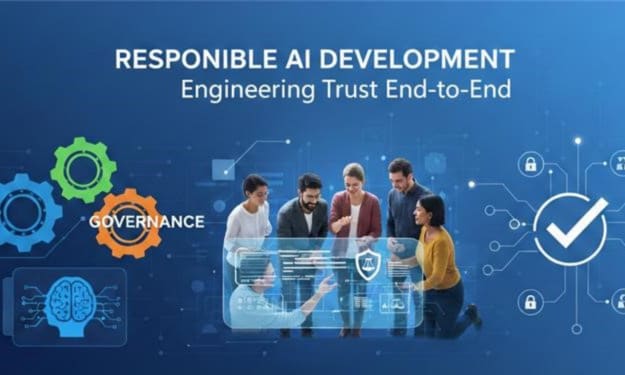
Responsible AI Development Design, Testing, and Governance for Teams
Artificial Intelligence is transforming how enterprises operate — from automation and predictive analytics to intelligent customer experiences. In fact, over 90% of firms use AI in some capacity today, with adoption expanding quickly across departments and workflows.
By Jakob Stanely4 days ago in 01
Tatt~Master
— Assembly Line Tatt Machine ~ Impressions to Impress — As I begin to understand more about the Tattoo Phenomenon. I've written silly, yet verbatim, dating site anecdotes in 'Frazzled.' So let me ask you: Would you be More attracted to someone slathered with tattoos, or Less?
By Jay Kantor5 days ago in Humor



Comments
There are no comments for this story
Be the first to respond and start the conversation.