
The Perfume Boom: Trends, Opportunities, and What’s Next for the Global Fragrance Market
Exploring Growth Drivers, Consumer Shifts, and Future Innovations
The perfume industry is undergoing a dramatic transformation. Once dominated by legacy fashion houses and celebrity endorsements, it has evolved into a dynamic, fast-growing sector shaped by digital disruption, consumer personalization, and a powerful cultural shift toward wellness, sustainability, and individuality. In this article, we’ll explore the current state of the perfume industry, the key forces behind its rapid expansion, and the most promising trends and business opportunities shaping its future. Whether you're a fragrance brand, beauty investor, or entrepreneur looking to enter the market, understanding the scent landscape has never been more essential.
The Current State of the Perfume Industry
The modern perfume business is an impressive ecosystem spanning mass-market scents, luxury fragrances, artisanal blends, and functional perfumes. It includes major fashion labels like Chanel and Dior, fragrance giants like Coty and L'Oréal, and a fast-growing wave of indie perfumers redefining the rules.
Global Market Overview
The perfume industry is expected to maintain steady growth globally, with strong momentum in Asia-Pacific, the Middle East, and Latin America. The U.S., France, Germany, and the UAE are key revenue-generating countries, each influencing global scent preferences and retail trends. Niche and luxury perfume sales are increasing faster than mass-market segments, driven by a consumer desire for exclusivity and storytelling.
Key Players
- Estée Lauder Companies: Owner of top-performing brands like Le Labo and Jo Malone.
- LVMH: Backing powerhouse names like Dior, Givenchy, and Acqua di Parma.
- Coty Inc.: Holds licenses for brands like Gucci, Calvin Klein, and Marc Jacobs.
- Inter Parfums: Partnering with prestige fashion brands to develop fragrance lines.
Alongside these conglomerates, hundreds of small-to-mid-sized fragrance companies are carving out market share by emphasizing creativity, transparency, and direct-to-consumer models.
What’s Fueling the Growth of the Perfume Industry?
1. Rising Demand for Luxury and Niche Fragrances
In today’s saturated beauty market, consumers are seeking luxury perfume experiences that feel personal, indulgent, and distinct. High-end scent brands—many with roots in Paris, Milan, or Dubai—are finding success with limited-run launches, artisanal ingredients, and exclusive distribution. Niche perfumery has become synonymous with individuality, attracting a loyal base of fragrance collectors and olfactory explorers. For these consumers, perfume isn’t just an accessory—it’s a lifestyle expression.
2. Influencer Culture and Digital Storytelling
Social media platforms, particularly Instagram, YouTube, and TikTok, have democratized the once-elusive world of perfumery. Influencers now serve as virtual scent sommeliers, offering reviews, “scent tours,” and “fragrance of the day” content that drives discovery and sales. With Gen Z and Millennials increasingly swayed by peer recommendations and aesthetic appeal, a strong digital presence is essential for any perfume business—whether boutique or global.
3. Emerging Markets and Cultural Influence
Countries like India, China, Brazil, and Saudi Arabia are witnessing a rise in perfume consumption, driven by urbanization, disposable income growth, and cultural affinity for fragrance. In particular, Middle Eastern fragrances such as oud, amber, and saffron are making their way into Western mainstream, influencing formulation trends and inspiring new product lines.
Perfume Trends Shaping the Industry in 2025 and Beyond
1. Sustainability in Scent
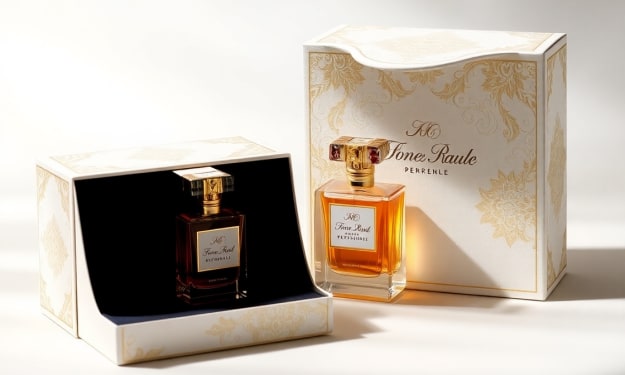
Today’s consumers are as concerned about what’s in their perfume as how it’s made. The demand for sustainable perfume has skyrocketed, leading brands to use ethically sourced, natural ingredients, opt for refillable bottles and recyclable custom perfume packaging boxes, Eliminate animal testing and non-biodegradable materials. Adopt transparent labeling and clean formulas. Brands like Hermetica, Ellis Brooklyn, and Floral Street are leading the charge with eco-conscious positioning that aligns with luxury aesthetics.
2. Gender-Neutral and Fluid Fragrances
The traditional “for him” and “for her” categories are giving way to genderless scents that celebrate individuality. Modern consumers, especially Gen Z, are gravitating toward unisex perfumes that defy labels and offer more freedom of expression. Fragrance houses like Byredo, Escentric Molecules, and Maison Margiela are creating scent trends that blur the lines and challenge gender norms.
3. AI and Customization in Perfumery
Artificial Intelligence is transforming how perfumes are created, marketed, and sold. Innovations include AI-generated scent suggestions based on user preferences, custom formulation tools on DTC websites & machine learning to optimize inventory and forecast bestsellers. Startups are enabling users to build their own fragrance blends online, using personality quizzes, interactive scent pyramids, and virtual advisors. This form of hyper-personalization is proving to be a lucrative model, especially among younger, tech-savvy buyers.
4. The Rise of Middle Eastern Scent Profiles
Deep, resinous, and luxurious ingredients like oud, frankincense, and rose de mai are becoming globally popular, influencing not just niche perfumes but also major brand launches. This trend reflects the growing influence of Gulf Region perfumery and the global appetite for luxury perfume experiences steeped in tradition and richness.
Opportunities for Entrepreneurs and Indie Brands
The global fragrance boom isn’t just for industry giants. In fact, small-batch perfume brands, indie artisans, and beauty entrepreneurs are driving some of the most exciting innovations.
Marketing Opportunities:
- Storytelling through packaging: Invest in elegant, eco-conscious custom perfume packaging boxes that reflect your scent story.
- Influencer collaborations: Partner with micro-influencers to co-create fragrances or run giveaways.
- Pop-up experiences: Create immersive scent installations or sensorial retail spaces.
Challenges in the Perfume Industry
While the opportunities are vast, success in the fragrance market requires navigating several obstacles.
1. Intense Competition
The market is flooded with new entrants, making it harder to stand out. Building a brand with a clear voice, mission, and audience is more important than ever.
2. Regulatory Compliance
Perfume formulation and labeling must meet strict guidelines set by organizations like IFRA (International Fragrance Association) and various national authorities. Failure to comply can lead to recalls or bans.
3. Counterfeit Products
High demand and high margins have made perfumes a target for counterfeiters. Protecting your product with tamper-proof custom perfume packaging boxes and unique QR codes can help reassure consumers and fight fakes.
4. Sensory Limitation of E-Commerce
Selling perfume online presents a challenge: customers can’t smell the product. Brands must find creative ways to bridge the sensory gap through storytelling, sample kits, and free return policies.
What’s Next? The Future of the Perfume Industry
1. Smart Fragrances and Wearable Scent Tech
Innovations in wearable tech may soon allow users to control scent intensity or switch between perfume “modes” throughout the day. This integration of beauty and technology opens new doors for personalization and wellness applications.
2. Fragrance as Wellness
Perfume is increasingly positioned as a tool for mood management, energy boosting, and relaxation. Functional fragrances with aromatherapeutic benefits—like lavender for sleep or citrus for focus—are gaining popularity.
3. Rise of Digital-Only Fragrance Brands
We’ll see more startups launching purely online, leveraging data, community-building, and digital-first strategies to bypass traditional retail constraints.
With advances in virtual reality and 3D product previews, these brands are building immersive online shopping experiences that rival brick-and-mortar.
Conclusion: Riding the Next Wave of the Perfume Revolution
The perfume industry is no longer reserved for elite fashion houses and heritage brands. It's an accessible, fast-evolving market brimming with creativity, culture, and commercial potential. From the growing importance of sustainable perfume to the rise of gender-neutral scent trends, from AI-powered customization to booming demand in emerging markets—the fragrance space is fertile ground for innovation and investment. For businesses entering or expanding in this sector, the key to success lies in blending artistic storytelling with strategic execution.
Investing in signature scents, powerful branding, and eye-catching custom perfume packaging boxes will help capture both hearts and market share. As we step into the next chapter of olfactory evolution, one thing is clear: the future smells amazing—and the opportunities are limitless. Looking to build a premium perfume brand from the bottle out? Explore custom perfume packaging boxes designed to showcase elegance, protect your product, and connect emotionally with your customers.
About the Creator
Keep reading
More stories from Noah David and writers in 01 and other communities.
The Role of Sustainability in the Perfume Industry: How Green Fragrances Are Changing the Scent Game
Why Sustainability Smells So Good in 2025? A new transformation takes place within the fragrance industry which extends beyond traditional scent development. The increasing awareness about sustainability has led sustainable perfume to evolve from a passing fad to a customer requirement. Modern consumers seek scents which create attention but also demonstrate their personal values. Eco-friendly fragrances will expand their global market beyond $9.5 billion during the upcoming years till 2027. The figure represents a definitive sign that ethical clean and green beauty is experiencing explosive growth.
By Noah David9 months ago in 01
Global Security Market Size and Forecast 2025–2033: Protecting a Digitized World in an Era of Rising Threats
Global Security Market Overview The global security market is entering a decisive phase of expansion as governments, enterprises, and institutions confront an increasingly complex risk environment. According to Renub Research, the Security Market is expected to grow from US$ 142.66 billion in 2024 to US$ 264.71 billion by 2033, registering a strong CAGR of 7.11% from 2025 to 2033. This growth reflects the convergence of digital transformation, rising geopolitical tensions, urbanization, and escalating cyber and physical threats worldwide.
By Renub Researchabout 12 hours ago in 01
My New Book is Finally Here
My poetry collection Beautiful and Brutal Things is done. It's actually done and finally published over 270 pages. Over a year of my life went into this book. More than a year, really. Long days at my computer, sometimes seven days a week because I couldn't stop even when I probably should have. Then two months of editing that felt harder than the writing itself. But it's finished, and I'm still standing, and the book is real.
By Tim Carmichael3 days ago in BookClub



Comments
There are no comments for this story
Be the first to respond and start the conversation.