
The oldest known ears of popcorn were found in New Mexico in 1948
popcorn were found in New Mexico in 1948

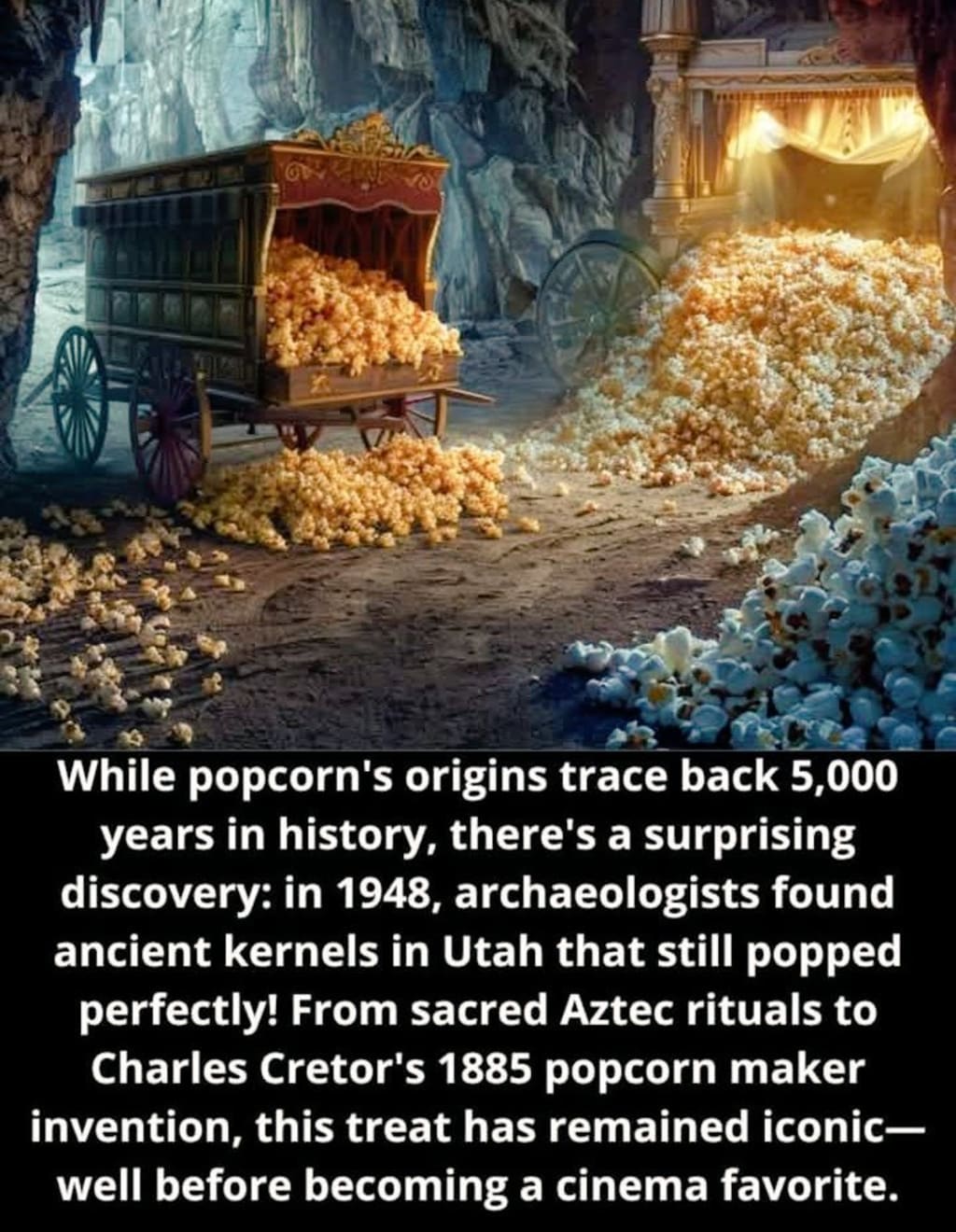
Popcorn, a beloved snack in modern times, has a history that stretches far beyond the confines of movie theaters and casual gatherings. Its roots lie deep in the soil of ancient civilizations, where it served as both a source of nourishment and cultural significance. The discovery of ancient popcorn kernels in the mid-20th century sheds fascinating light on the ingenuity and resourcefulness of early peoples.
In 1948 and 1950, two pivotal archaeological discoveries were made in the Bat Cave of western New Mexico. These finds consisted of ancient ears of popcorn, small in size but monumental in historical significance. Radiocarbon dating revealed that these ears of popcorn were approximately 5,600 years old, making them some of the oldest known evidence of popcorn in human history.
The Bat Cave discoveries were revolutionary for our understanding of the history of maize, the plant from which popcorn and other varieties of corn are derived. The ears measured between one and two inches long and were remarkably well-preserved, having been protected by the dry and stable conditions of the cave. These ancient popcorn specimens are believed to have been cultivated by early agricultural societies, which were experimenting with the domestication of maize. The kernels on these ears retained the hard outer shell, or pericarp, that is essential for the popping process—a testament to how closely the ancient variety resembles the popcorn we know today.
But New Mexico was not the only site of popcorn’s ancient history. In a separate discovery, archaeologists found a popped kernel of popcorn that was approximately 1,000 years old in a cave in Utah. This single kernel provides a glimpse into the practical applications of popcorn in early societies. It’s believed that popcorn may have been a staple food, a ceremonial item, or even a form of entertainment, much as it is today.
The significance of these finds extends beyond their sheer age. They reveal the ingenuity of ancient peoples in utilizing natural resources. Maize, originally a wild grass, underwent millennia of selective breeding and cultivation to become the versatile crop that sustained civilizations across the Americas. Popcorn, a specific variant of maize, was likely discovered by chance when ancient humans placed kernels near a fire and watched as they exploded into puffy, edible morsels.
Popcorn’s role in early cultures was multifaceted. In addition to being a food source, it often had ceremonial and decorative uses. For example, Native American tribes used popcorn in rituals and crafted it into garlands for decoration. The Aztecs, too, are believed to have used popcorn in ceremonial headdresses and offerings to their gods. These practices underscore the reverence these societies had for maize, which was often regarded as a gift from the gods.
The ability of popcorn to "pop" is a unique feature that relies on its physical structure. Each kernel contains a small amount of water and oil within its starchy interior. When heated, the water turns to steam, creating pressure within the hard outer shell. Eventually, the shell bursts, and the starch inside expands rapidly, turning into the fluffy, edible texture we recognize as popcorn. It’s remarkable that ancient peoples discovered and harnessed this process thousands of years ago, without the scientific understanding we have today.
The discoveries in New Mexico and Utah offer a tangible connection to these ancient traditions. They remind us of the continuity of human creativity and the enduring nature of simple pleasures. Today, as we enjoy popcorn while watching movies or sharing time with loved ones, we are part of a tradition that spans millennia. These ancient kernels are a testament to the resilience and innovation of early agricultural societies, whose ingenuity laid the groundwork for one of the world’s most popular snacks.
In essence, the story of popcorn is not just about food—it’s about humanity. It’s about how early civilizations adapted to their environments, developed agricultural techniques, and found joy in the simple act of making a kernel pop. It’s about the threads that connect us to our ancestors, reminding us that even in a world of rapid technological advancement, some things—like the satisfying crunch of freshly popped corn—remain timeless.
About the Creator
Complete Guide: Legitimate Gmail Password Recovery & Account Security
Forgetting a Gmail password can be frustrating, but attempting to recover it through unauthorized means can lead to security risks and legal consequences. This comprehensive guide provides verified, legitimate methods for Gmail password recovery, explains common threats to account security, and offers actionable protection strategies. We strongly advise against using any "hacking software," as these are often scams or malware that compromise your privacy and violate Google's Terms of Service.
By Alexander Hoffmann5 days ago in 01
Strategic Role of an HVAC Website in Modern Lead Generation
In today’s HVAC market, getting consistent leads is no longer just about referrals, flyers, or being listed on third-party platforms. When homeowners need heating or cooling services, their first move is almost always online. They search, compare, and decide within minutes. This shift has made an HVAC website more than just a digital address. It has become a strategic tool for lead generation.
By Henry Davids7 days ago in 01




Comments
There are no comments for this story
Be the first to respond and start the conversation.