
The New Path to Business Ownership
How Fractional Investing Is Opening Doors


The landscape of business acquisition is undergoing a dramatic transformation. What was once an exclusive domain reserved for massive private equity firms and corporate giants has become increasingly accessible to independent operators, ambitious professionals, and boutique investment groups. This shift represents more than just a change in financing methods—it signals a fundamental reimagining of who gets to participate in the ownership economy.
At the heart of this transformation are two interconnected approaches: the fundless sponsor model and fractional fund management. These innovative strategies are dismantling traditional barriers to business ownership and creating new pathways for entrepreneurs who possess expertise and vision but lack the institutional backing that was once considered essential.
Understanding the Fundless Sponsor Revolution
The traditional private equity playbook has always followed a predictable sequence: raise a large pool of capital from limited partners, deploy that capital over several years across multiple deals, and eventually return profits to investors. This model required substantial upfront fundraising, extensive legal infrastructure, and the credibility to convince investors to commit millions without knowing which specific businesses would be acquired.
The fundless sponsor approach flips this model entirely. Rather than spending months or years raising capital before identifying opportunities, these deal-makers operate with a completely different strategy. They identify attractive acquisition targets first, negotiate purchase terms, and only then bring in investors for that specific transaction. Each deal stands alone, with investors choosing to participate based on the merits of individual opportunities rather than making blind commitments to a general fund.
This methodology offers compelling advantages for both sides of the transaction. Deal-makers gain independence and agility, moving quickly when opportunities arise without bureaucratic fund constraints. They avoid the expensive infrastructure of traditional fund management while maintaining the freedom to be selective about which deals to pursue. Investors, meanwhile, gain unprecedented transparency and control. They see exactly what they're buying into, can evaluate each opportunity independently, and aren't locked into multi-year commitments with uncertain deployment timelines.
For years, this approach remained on the periphery of the acquisition world, used primarily by independent operators and former executives who lacked traditional institutional backing. However, as frustrations with conventional private equity structures mounted—particularly around fees, lack of transparency, and prolonged capital lock-ups—the fundless model has moved from niche strategy to mainstream phenomenon.
The Evolution Toward Fractional Funds
While the fundless sponsor model solved many problems, it also created new challenges. Operating on a purely deal-by-deal basis meant unpredictable income for sponsors, credibility issues when negotiating with sellers who preferred buyers with committed capital, and the exhausting necessity of re-raising funds for every single transaction.
Fractional funds emerged as an elegant solution to these limitations. These vehicles occupy a middle ground between one-off deal sponsorship and traditional institutional funds. Rather than raising hundreds of millions from numerous limited partners, fractional funds might secure five to ten million dollars from a carefully selected group of aligned investors.
These funds are built around focused investment theses rather than broad mandates. A fractional fund might concentrate exclusively on software-as-a-service companies in specific revenue ranges, healthcare service providers in particular geographic markets, or manufacturing businesses ripe for automation upgrades. This specificity allows fund managers to develop genuine expertise while giving investors clear visibility into the strategy they're backing.
The structure provides stability and credibility that pure fundless sponsors lack. Managers can earn modest management fees that create predictable income, build professional operations that inspire confidence in sellers, and maintain relationships with limited partners who participate across multiple deals. Yet fractional funds preserve the entrepreneurial flexibility and operational focus that make the fundless approach attractive in the first place.
Why This Moment Matters
Several converging trends have created ideal conditions for fractional fund growth, transforming what might have been a marginal approach into a genuinely competitive strategy.
First, technology has democratized access to capabilities once exclusive to large institutions. Online platforms now facilitate deal sourcing that previously required extensive broker networks. Cloud-based tools enable sophisticated financial modeling and analysis without enterprise software budgets. Fractional executive talent—from CFOs to operations specialists—can be engaged for specific deals, providing expertise without permanent overhead. The infrastructure that once justified huge fund sizes is now available on demand.
Second, investor preferences have shifted dramatically. Today's limited partners increasingly question the value proposition of traditional private equity fee structures. They're weary of paying substantial management fees while waiting years for returns. Many sophisticated investors now prefer the targeted exposure and transparency that fractional funds provide. They want to back specific strategies with managers they trust, rather than committing capital blindly and hoping for the best.
Third, and perhaps most significantly, experienced operators are recognizing they can leverage their expertise to become owners rather than employees. Former executives, successful entrepreneurs, and industry specialists understand they possess the knowledge to acquire and improve businesses. They're no longer content to work for institutional investors when they can structure deals themselves. This operator-to-owner transition is expanding the pool of credible deal-makers far beyond traditional finance professionals.
The middle market has matured considerably. The systems, talent, and investor capital that once powered only billion-dollar transactions are now accessible to those operating at much smaller scales. This isn't just making deals possible—it's making them competitive with institutional alternatives.
Operating with Institutional Sophistication
The most successful fractional funds don't simply replicate private equity approaches at smaller scale. Instead, they've developed distinct methodologies that leverage their advantages while avoiding institutional constraints.
Deal sourcing looks entirely different. Rather than relying on investment bankers who shop deals to multiple buyers, fractional fund managers build direct relationships with business owners. They cultivate industry networks, leverage professional platforms like LinkedIn, and establish reputations in specific niches that cause sellers to approach them proactively. This direct origination often leads to better pricing and less competitive processes.
Underwriting combines analytical rigor with operational pragmatism. Rather than lengthy diligence processes managed by teams of associates, fractional funds employ targeted due diligence using specialized consultants and automated data analysis tools. They move quickly to identify deal-breakers while avoiding analysis paralysis that causes opportunities to slip away.
Financing structures have become increasingly creative. Fractional fund managers expertly combine equity investments, Small Business Administration loans, seller financing, and mezzanine debt to optimize capital efficiency. These tailored capital structures often require smaller equity checks while maintaining attractive returns, stretching limited fund capital across more opportunities.
Post-acquisition, fractional fund managers typically take active ownership roles. They're not financial engineers looking to flip businesses quickly. Instead, they focus on operational improvements, implementing better systems, professionalizing financial management, and driving sustainable growth. This hands-on approach creates real value rather than relying purely on multiple expansion or financial leverage.
To learn more about different funding options for business acquisitions, visit the U.S. Small Business Administration for comprehensive resources on SBA loans and other financing programs.
From Flipping to Building
Traditional private equity has long operated with clear exit timelines. Funds have finite lives, typically ten years, which creates pressure to sell portfolio companies within that window regardless of whether it's optimal timing. This structure encourages financial engineering and calendar-driven exits that sometimes sacrifice long-term value creation for near-term returns.
Fractional fund managers often adopt fundamentally different ownership philosophies. Many view acquisitions as permanent holdings to build and compound rather than temporary investments to flip. This long-term orientation changes how they evaluate opportunities, structure incentives, and make operational decisions.
Rather than maximizing short-term financial metrics that boost exit valuations, these permanent-minded owners focus on sustainable cash generation, customer satisfaction, employee development, and market position strengthening. They're comfortable with investments that might take longer to pay off if they build more valuable businesses.
This approach resonates strongly with business sellers. Many founders have poured decades into building their companies and care deeply about what happens after they exit. They want buyers who will preserve their legacy, treat employees well, and maintain customer relationships. Fractional fund managers who genuinely intend to own and operate businesses long-term can credibly commit to these priorities in ways that flip-focused financial buyers cannot.
The compensation structures reinforce this alignment. Rather than carrying tied purely to exit events, many fractional fund arrangements include ongoing profit sharing, creating incentives for sustained performance rather than one-time sales. Management teams often retain equity stakes or earn-out provisions that reward long-term success.
Why Sellers Prefer This New Buyer Class
Business owners evaluating exit options increasingly favor fractional fund buyers over traditional private equity alternatives. The reasons extend beyond pricing to encompass the entire transaction experience and post-sale relationship.
Most fractional fund managers are former operators themselves. They've built businesses, managed teams, and dealt with the challenges that owners face daily. This shared experience creates immediate rapport and understanding that purely financial buyers struggle to establish. Sellers recognize they're dealing with people who appreciate what they've built rather than viewing their life's work as just another portfolio entry.
Transaction processes tend to be more straightforward and faster. Fractional funds typically have simpler approval processes than institutional funds with multiple investment committee layers. They can move decisively when they identify opportunities that fit their criteria. This speed matters enormously to sellers eager to complete transactions and move forward with their lives.
Terms often prove more flexible as well. Fractional fund managers can structure creative arrangements including seller financing, earnouts tied to metrics sellers care about, and ongoing advisory roles that keep founders involved. These tailored structures address sellers' individual priorities in ways that standardized institutional approaches cannot.
Perhaps most importantly, the post-closing relationship often resembles partnership more than acquisition. Sellers frequently maintain involvement through board seats, consulting arrangements, or equity rollovers. They see their businesses continue developing under ownership that respects what made them successful originally. This contrasts sharply with traditional private equity acquisitions where sellers often watch helplessly as new owners fundamentally reshape everything they built.
In an era where professional reputations spread rapidly through networks and online communities, these qualitative factors increasingly influence seller decisions. Many business owners would rather accept slightly lower valuations from buyers they trust than maximize price with acquirers who might damage what they've spent years building.
The Emerging Playbook for Success
As fractional fund management matures from experimental approach to established strategy, clear patterns are emerging among the most successful practitioners. These best practices are forming a playbook that new fund managers can learn from and adapt.
Successful fractional funds start with focused strategies rather than broad mandates. Rather than attempting to acquire any profitable business within enormous valuation ranges, top performers identify specific niches where they can develop genuine expertise. They might focus exclusively on home service franchises, B2B software companies in particular verticals, or healthcare practices with specific characteristics. This specialization allows them to understand industry dynamics deeply, build relevant networks, and operate acquired businesses more effectively.
The best fund managers treat limited partner relationships as long-term partnerships rather than transactional capital sources. They provide regular updates regardless of whether they're currently fundraising, offer transparent reporting on both successes and challenges, and create opportunities for investors to participate across multiple deals. This relationship investment creates a stable capital base that reduces the friction of raising money for each new opportunity.
Operational excellence distinguishes leading fractional funds from purely financial acquirers. Rather than approaching each acquisition fresh, successful managers develop repeatable frameworks for improving businesses. They might implement standardized financial dashboards, introduce proven pricing strategies, or deploy specific technology systems across portfolio companies. These operational playbooks allow them to create value systematically rather than hoping for ad-hoc improvements.
The most sophisticated fractional fund managers also create synergies across their portfolio holdings. Shared back-office functions can reduce costs across multiple companies. Customer relationship management systems implemented in one business can be deployed to others. Insights gained improving operations in one company inform approaches for subsequent acquisitions. Each deal strengthens the next, creating a compounding advantage over time.
For more insights on building successful investment strategies, explore resources at Harvard Business Review, which offers extensive coverage of private equity trends and operational excellence.
What This Means for Aspiring Fund Managers
The democratization of business acquisition has profound implications for professionals considering this path. The traditional barriers—needing institutional backing, raising enormous funds, possessing finance pedigrees—matter far less than they once did.
Today's successful fractional fund managers come from diverse backgrounds. Former operators who understand how businesses actually work often outperform pure finance professionals. Industry specialists who recognize opportunities others miss can build compelling track records despite lacking traditional investment credentials. Even first-time fund managers can compete effectively if they demonstrate genuine expertise in specific domains.
The capital requirements have become remarkably accessible. Rather than needing to raise fifty or one hundred million dollars before making initial investments, aspiring fund managers can start with one or two million from a handful of supportive limited partners. Some even begin with entirely fundless deals, bringing in investors for specific opportunities before establishing formal fund structures.
The infrastructure to support these activities exists as never before. Legal templates for fund formation are widely available. Accounting and administrative platforms designed for emerging managers offer affordable professional operations. Networks and communities of independent sponsors share knowledge and sometimes co-invest in deals. The entrepreneurial support ecosystem that has developed around startups increasingly serves acquisition entrepreneurs as well.
This accessibility creates genuine opportunity but also requires realistic expectations. Building a successful fractional fund demands tremendous work—sourcing deals consistently, maintaining investor relationships, executing complex transactions, and improving acquired businesses all require sustained effort. The flexibility comes with volatility, and early-stage fund managers should expect irregular income and occasional setbacks.
However, for those willing to embrace these challenges, the rewards extend beyond financial returns. Fractional fund managers gain ownership of real businesses, apply their expertise directly to value creation, build meaningful relationships with entrepreneurs and investors, and create legacies that outlast any corporate career. The work is demanding but deeply fulfilling for those who thrive on entrepreneurial challenge.
The Future of Business Ownership
The next decade of deal-making will likely see continued evolution toward more distributed, operator-led ownership models. The advantages that once justified institutional scale—access to deals, sophisticated analysis, operational expertise, and patient capital—are increasingly available to smaller, nimbler players.
This shift has significant implications beyond just who owns businesses. As ownership becomes more accessible, the quality of stewardship may improve. Operators who acquire businesses in industries they understand deeply often prove better long-term owners than financial engineers optimizing for near-term exits. Companies may benefit from alignment between operational expertise and ownership authority.
The change also affects entrepreneurship more broadly. Founders now have more exit options beyond strategic sales to competitors or traditional private equity acquisitions. They can sell to operators who genuinely appreciate what makes their businesses special. This may encourage more entrepreneurship by providing diverse paths for founders to eventually transition out while preserving their legacies.
For limited partners and individual investors, fractional funds offer compelling alternatives to traditional private equity or public market investing. They provide direct exposure to private company performance with transparency that blind pool funds cannot match. Investors can back specific strategies and managers they believe in rather than hoping large institutions deploy capital wisely.
The regulatory environment will need to evolve as these models proliferate. Current securities regulations were designed primarily for traditional fund structures and don't always accommodate more flexible approaches cleanly. Thoughtful regulatory adaptation could further reduce friction and enable broader participation in private markets.
Taking Action
The opportunity for aspiring fund managers and acquisition entrepreneurs is clear, but so are the challenges. Success requires more than recognizing the trend—it demands developing specific expertise, building genuine relationships, and executing consistently over time.
Those considering this path should start by identifying domains where they possess credible expertise. What industries do you understand deeply? Where do you have networks and relationships that provide access to opportunities? What operational improvements could you implement across multiple businesses? The most successful fractional fund managers build on authentic strengths rather than attempting to compete broadly.
Next, begin cultivating investor relationships before you need capital. Engage potential limited partners in conversations about investment philosophy, share insights about industries you're tracking, and build trust over time. When opportunities arise, having established relationships makes raising capital infinitely easier than starting from scratch.
Develop your deal sourcing methodology early. Rather than waiting until you have capital committed, start building the networks and systems that generate proprietary opportunities. Attend industry conferences, join relevant associations, engage authentically with business owners, and establish your reputation as a credible, trustworthy potential buyer.
Most importantly, focus on execution rather than perfection. The fractional fund model's beauty lies in its accessibility—you don't need everything figured out before starting. Begin with one deal, prove you can create value, and build from there. Each successful transaction strengthens your track record and makes subsequent deals easier.
The future of business ownership increasingly belongs not to those with the most capital or prestigious credentials, but to those with genuine expertise, strong relationships, and the determination to execute. The doors have opened. The question is whether you'll walk through them.
About the Creator
Keep reading
More stories from Start My Business and writers in 01 and other communities.
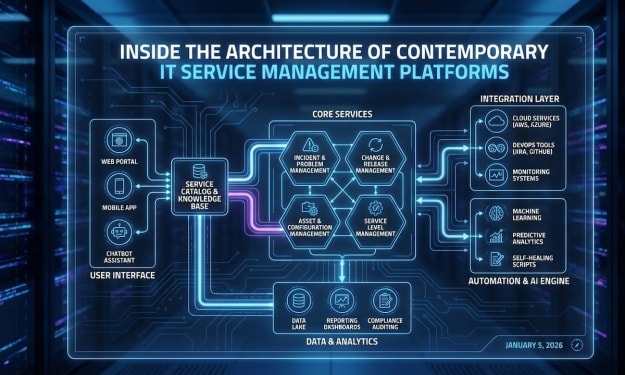
Inside the Architecture of Contemporary IT Service Management Platforms
Introduction As organizations increasingly rely on digital systems to operate efficiently, IT Service Management (ITSM) platforms have become a critical component of modern enterprises. These platforms help manage IT services, streamline workflows, and ensure consistent service delivery. Behind every effective ITSM solution lies a carefully designed architecture that integrates multiple technologies, processes, and systems.
By Nayel Basim Al Shehhi6 days ago in 01
Commercial and Industrial Electrician vs Electrical Contractor: What’s the Difference?
In commercial and industrial projects, electrical work is rarely straightforward. Large loads, complex systems and strict safety requirements mean that the right expertise is essential. Yet many project managers and business owners are unsure whether they need a commercial and industrial electrician or an electrical contractor.
By Danny Adams4 days ago in 01



Comments
There are no comments for this story
Be the first to respond and start the conversation.