
Inside the Architecture of Contemporary IT Service Management Platforms
A Detailed Look at the Systems, Processes, and Technologies Behind ITSM


Introduction
As organizations increasingly rely on digital systems to operate efficiently, IT Service Management (ITSM) platforms have become a critical component of modern enterprises. These platforms help manage IT services, streamline workflows, and ensure consistent service delivery. Behind every effective ITSM solution lies a carefully designed architecture that integrates multiple technologies, processes, and systems.
This article takes a closer look inside the architecture of contemporary IT Service Management platforms and explains how modern technologies support reliable and scalable IT operations.
Understanding IT Service Management Architecture
ITSM architecture refers to the structural design that enables service delivery, incident management, change control, and operational monitoring. It combines software components, data layers, integration mechanisms, and security frameworks to create a unified system.
Modern ITSM platforms are designed to support flexibility, scalability, and automation while maintaining high availability and performance.
Core Components of ITSM Platforms
Service Desk Layer
The service desk acts as the primary interface between users and IT teams. It handles service requests, incident reporting, and communication. This layer is designed for usability and efficiency, enabling quick issue resolution and better user experiences.
Workflow and Process Engine
At the core of ITSM platforms lies the workflow engine. It automates processes such as incident resolution, change approvals, and service fulfillment. By defining structured workflows, organizations can ensure consistency and reduce manual effort.
Backend Architecture and Data Management
The backend architecture supports the logic and data processing required for IT service operations.
Centralized Data Repositories
ITSM platforms rely on centralized databases to store service records, configuration data, and historical logs. This allows teams to access accurate and up-to-date information at all times.
Configuration Management Databases (CMDB)
The CMDB is a key architectural component that maintains information about IT assets and their relationships. It helps teams understand dependencies and assess the impact of changes or incidents.
Integration and API Layer
Modern IT environments consist of multiple tools and systems. ITSM platforms use integration layers to communicate with monitoring tools, asset management systems, and third-party services.
Role of APIs
APIs enable seamless data exchange between ITSM platforms and external systems. This allows automated updates, event handling, and synchronized workflows across the IT ecosystem.
Cloud Infrastructure and Scalability
Cloud-based infrastructure has become a standard foundation for contemporary ITSM platforms.
- Benefits of Cloud-Driven Architecture
- Elastic scaling based on demand
- Improved system availability
- Reduced infrastructure maintenance
Cloud environments allow ITSM platforms to handle varying workloads without performance degradation.
Automation and Intelligent Workflows
Automation plays a central role in modern ITSM architecture.
Rule-Based Automation
Predefined rules trigger automated actions such as ticket assignment, escalation, or notifications. This improves response times and reduces operational overhead.
Intelligent Process Optimization
Advanced platforms use data insights to optimize workflows, helping IT teams prioritize tasks and allocate resources effectively.
Security Architecture and Access Control
Security is a foundational element of ITSM platform architecture.
Authentication and Authorization
Modern systems use secure authentication mechanisms to control access and protect sensitive information. Role-based access ensures users only see relevant data.
Data Protection Measures
Encryption and secure storage technologies protect service records and system data from unauthorized access or breaches.
Monitoring and Performance Management
Continuous monitoring is essential for maintaining IT service quality.
System Health Monitoring
ITSM platforms include monitoring components that track performance metrics, service availability, and system health in real time.
Incident Detection and Alerts
Monitoring tools automatically detect anomalies and generate alerts, enabling proactive issue resolution.
Analytics and Reporting Layer
Data-driven insights are critical for improving IT services.
Operational Analytics
Analytics tools analyze incident trends, resolution times, and service performance to identify areas for improvement.
Reporting Capabilities
Customizable reports help organizations measure service efficiency and align IT operations with business objectives.
Challenges in ITSM Architecture Design
Designing an effective ITSM architecture involves overcoming challenges such as:
- Integrating diverse IT systems
- Managing large volumes of service data
- Ensuring scalability and performance
- Maintaining strong security controls
Modern architectural practices address these challenges through modular design and standardized interfaces.
Future Trends in IT Service Management Architecture
ITSM architecture continues to evolve with emerging technologies.
Greater Automation
Future platforms will further reduce manual processes through intelligent automation.
Enhanced Integration
Improved integration frameworks will enable smoother collaboration across IT tools and systems.
Scalable and Flexible Designs
Architectures will focus on adaptability to support changing business needs and technology landscapes.
Conclusion
Contemporary IT Service Management platforms are built on sophisticated architectures that combine workflow automation, data management, integration layers, and secure infrastructure. These architectural components work together to deliver reliable, scalable, and efficient IT services.
Understanding the architecture behind ITSM platforms provides valuable insight into how modern organizations manage complex IT environments and ensure consistent service delivery in an increasingly digital world.
About the Creator
Nayel Basim Al Shehhi
I am James Wood a Contest Writer works as a freelance content writer.
Keep reading
More stories from Nayel Basim Al Shehhi and writers in 01 and other communities.
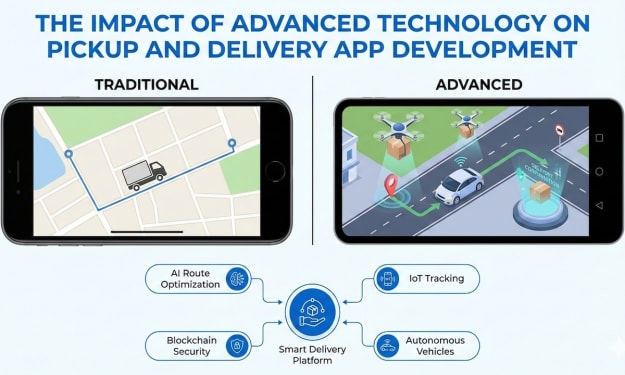
The Impact of Advanced Technology on Pickup and Delivery App Development
Introduction Pickup and delivery applications have become an essential part of modern digital ecosystems. From local courier services to large-scale logistics platforms, these applications rely heavily on advanced technology to provide fast, reliable, and efficient services. What once involved manual coordination has now transformed into highly automated and intelligent systems.
By Nayel Basim Al Shehhi2 months ago in 01
The Enduring Appeal of Pennant Flags in Sports Culture
Sports traditions are often expressed through small but meaningful objects. Jerseys, scarves, and banners help fans show their loyalty, but few items have remained as recognizable as the classic pennant flag. For more than a century, these triangular banners have been associated with team pride, sporting milestones, and the emotional connection between fans and their favorite games.
By charliesamuel2 days ago in 01
Georges Chahwan: The Marketing Director Redefining Performance Strategy in Healthcare Staffing
In the competitive world of healthcare staffing, standing out requires more than a polished brand. It demands a marketing engine built on strategy, data, and relentless execution. Georges Chahwan, Marketing Director at ProMed Staffing Resources, has spent years engineering exactly that kind of engine. His approach combines technical SEO, digital advertising, and personalized email marketing into a cohesive system that doesn't just attract attention it converts.
By Jeffrey D. Gross MD7 days ago in 01
TUS NUA - ch 53
TUS NUA – ch 53 New Beginnings – Mia and Midnight (*)(*)(*) Finola knew Ali’s brother-in-law needed to put his mind at rest. She fed her arm through his and led him outside. “We’ll sit here. If you like, I can put a block around us so our conversation will be private.”
By Margaret Brennan4 days ago in Fiction



Comments
There are no comments for this story
Be the first to respond and start the conversation.