
The Neuroscience of Deduction: Why Clue‑Style Games Activate Reward Centers
Why solving made-up murders with friends might be the most useful thing your brain does all week
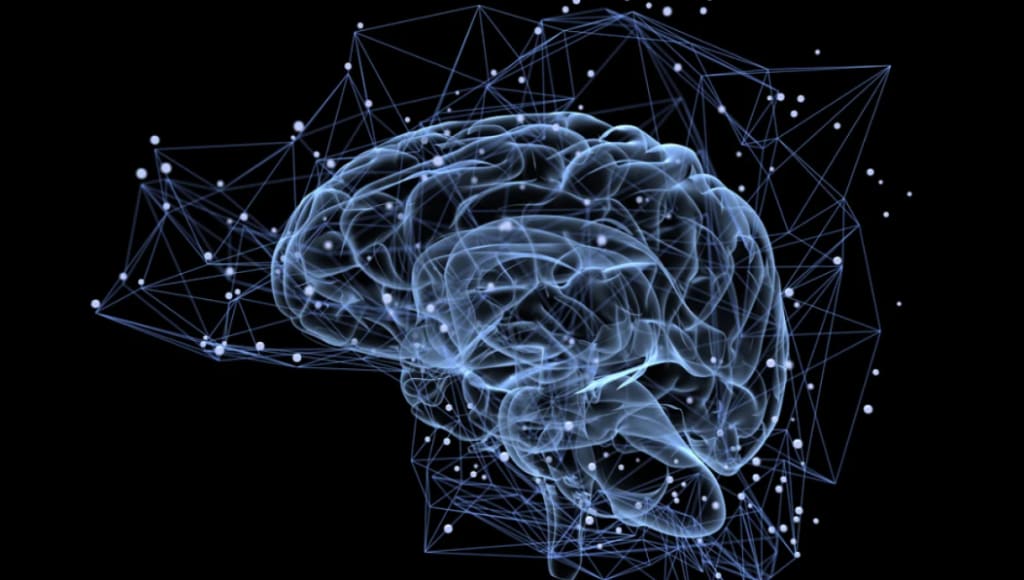
Okay, look — I’m not gonna lie — when someone first says “neuroscience of deduction,” I hear buzzword salad with a sprinkle of academic clickbait. Like, yeah cool, Sherlock, let me guess — your brain lights up when you solve puzzles? Groundbreaking.
But then I sat with it.
You ever played Clue at 1 a.m. with your cousins, three drinks in, someone’s uncle passed out on the couch, and the vibe is suspiciously intense for a board game with a cartoon butler on the cover? There’s a reason games like Clue still hit hard — they activate something deeper than just nostalgia.
You’ve got the candlestick, the ballroom, and Professor Plum. You’re scribbling notes like a deranged FBI agent. You make eye contact with your cousin across the table like, “I know you saw the knife last round.”
That’s not just nostalgia. That’s not just fun. That’s your goddamn dopaminergic reward system lighting up like a Christmas tree. I’ll explain.
Your Brain Loves Tension (and Solving It)
The human brain? Total lazy bastard. Always trying to conserve energy. That’s why habits form. Why we reach for our phones 300 times a day without thinking. Why we pretend lead management is strategic when it’s just clicking dropdowns in a CRM.
But give that same brain a puzzle — especially a social one, like “who’s lying to me and why?” — and suddenly it’s wide awake. Full systems go.
Prefrontal cortex? On.
Anterior cingulate cortex? Scanning for conflict.
Dopamine? Sprinkled like parmesan on overpriced pasta.
Here’s the deal: deduction — whether it’s Clue, logic games, or sniffing out BS in a client brief — is inherently rewarding. You draw the right conclusion? Your brain is like, “Nice work, detective. Here’s your little dopamine treat.”
Same neural response you get from hitting a revenue target or finally cracking that sales pipeline bottleneck that’s been haunting your team for six months.
Why Clue‑Style Games Hit Different
Not all puzzles are created equal.
There’s something particular about Clue‑Style Games.
Not just logic. Not just deduction.
But deduction under pressure. With limited info, bluffing, silence, and a bit of passive-aggressive theater.
It’s not just gameplay. It’s social strategy.
It’s micro-expression reading.
It’s watching your cousin twitch when you ask about the rope.
This kind of mental workout is brain gold.
And real neuroscience backs it up — solving problems under uncertainty lights up your nucleus accumbens, the part responsible for reward, motivation, and that sweet “I’m onto something” feeling.
So when you're piecing together whether Karen has the wrench, or just wants you to think she does, you're activating the same neural reward systems that light up during big wins in poker, product launches, or surprise spikes in customer engagement.
Modern Work Is Flat. This Isn’t.
You know what? Let’s be real.
Most of your day is a loop of sanitized productivity.
Check CRM software.
Push leads through a funnel.
Answer emails that read like GPT wrote them.
We’ve optimized ourselves into a cognitive coma.
But Clue-style games? They yank you out of it.
They drag you back into the messy, instinctive, animal part of your brain — the one that reads people, tracks inconsistencies, builds narratives from scraps.
That’s where the real juice is.
Where insight lives.
Where strategic thinkers are born.
It’s why high-functioning startup teams often bond over collaborative, logic-based games. It’s not just fun — it’s subconscious training in pattern recognition, strategic misdirection, and building theories with partial data. Kind of like managing a sales pipeline without full visibility (which, let’s be honest, is always).
This Stuff Matters More Than You Think
Let’s zoom out for a second.
We’ve built tools to remove friction. That’s great — until it's not.
Because when everything becomes smooth and automatic, we lose the tiny tension points that made our brains care. And the Neuroscience of Deduction makes this crystal clear: it’s not about knowing the answer — it’s about getting there.
That’s why you feel nothing when your software auto-generates a slide deck, but you feel something when you finally remember the missing metric during a high-stakes pitch.
Same deal in games. If the puzzle’s too easy or the app solves it for you, the thrill vanishes. Zero stakes = zero reward.
And the scary part? That’s how most tech is designed right now.
To remove discomfort.
To flatten every curve.
To make us forget what working for insight even feels like.
Low-Tech Games, High-Impact Brains
This is why I’ll die on the hill that board games — especially old-school Clue — are good for your damn brain.
You're not just playing. You're exercising core cognition.
- Working memory
- Logic
- Emotional inference
- Strategic silence (also useful when a client asks for “just one more revision”)
Even better, it’s physical. You’re holding cards. Reading faces. Watching your best friend try to lie without blinking. Your body’s in the loop, not just your eyes.
That matters.
Because memory, deduction, and learning are embodied experiences. We remember better when we touch, when we sense, when we interact.
Just like you remember a tough client call more than a Slack thread.
Guessing Well Is the New Smart
Look — smart isn’t knowing everything.
Smart is building a theory with what you’ve got.
It’s making deductions that might be wrong, but are bold enough to move things forward.
That’s true in Clue.
That’s true in startups.
That’s true in lead management when you’re trying to figure out if a “maybe” is actually a “no.”
These games remind you what real thinking feels like. Not optimized. Not templated. Raw. Messy. Engaged.
And they remind you that somewhere, buried under all the SaaS dashboards and digital habits, you’ve still got a brain that wants to work.
So no — this isn’t just about board games.
It’s about remembering we don’t need another calendar integration.
We need more play.
More deduction.
More neural sparks.
TL;DR — More Games, Fewer Dashboards
So yeah, maybe one hour of Clue does more for your cognition than five hours in your CRM.
You live. You think. You guess boldly.
You ask, “Was it the rope?” — and for once, you actually care about the answer.
That’s the payoff.
And that’s the neuroscience talking — not just nostalgia.
About the Creator
How Far Can RS232 Run and How to Extend It Safely?
If you’ve ever tried to connect RS-232 devices over a long distance and encountered data errors, intermittent communication, or unexplained signal noise, you’re not alone. One of the most frequently asked questions in industrial communication is: “What is the maximum distance RS-232 can reliably support?”
By ethernet-network2 days ago in 01



Comments
There are no comments for this story
Be the first to respond and start the conversation.