
The Iran-Israel Conflict
How the Rivalry Between Two Powerhouses Could Alter the Balance of Power in the Region
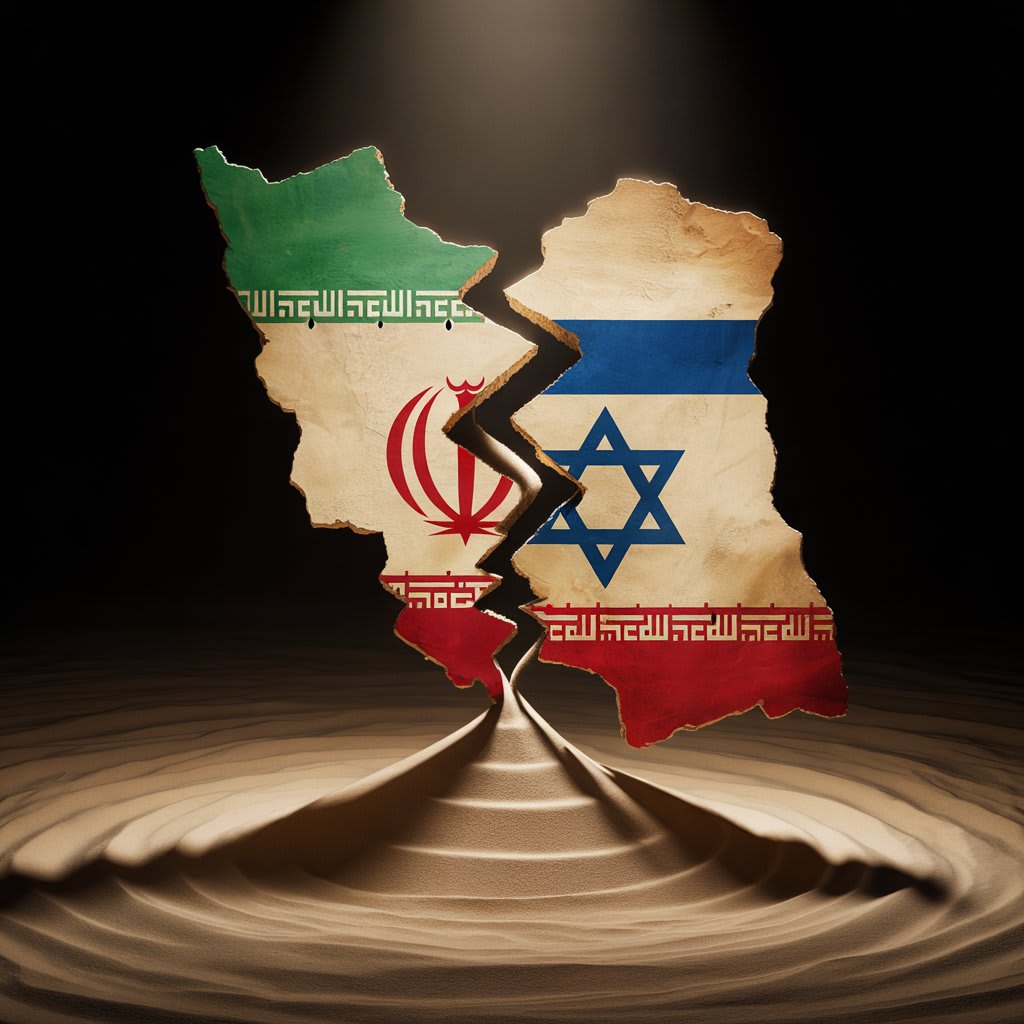
1. Military Clashes and Proxy Wars:
Israeli Strikes on Iranian Targets: Israel has carried out airstrikes in Syria, targeting Iranian military facilities and weapons shipments intended for Hezbollah, an Iranian-backed militant group in Lebanon. This has further heightened tensions between Iran and Israel.
Cyber Warfare: Both nations have engaged in cyberattacks, with Israel reportedly attacking Iranian infrastructure, including nuclear facilities, while Iran has targeted Israeli defense and security networks.
Proxy Wars: Iran has backed various militant groups in the region, including Hezbollah in Lebanon, Hamas in Gaza, and militias in Iraq and Syria, all of which have clashed with Israeli forces. This has intensified the conflict and drawn in other regional players.
2. Nuclear Program Tensions:
Iran’s Nuclear Ambitions: Iran’s nuclear program remains a central point of contention. While Iran insists its nuclear activities are for peaceful purposes, Israel has expressed fears that Iran is attempting to develop nuclear weapons. The potential for Iran to acquire nuclear weapons would significantly shift the balance of power in the region.
Israel’s Nuclear Arsenal: Israel is widely believed to have a nuclear arsenal, though it maintains a policy of ambiguity regarding its nuclear capabilities. Israel’s refusal to sign the Non-Proliferation Treaty (NPT) heightens tensions, with Iran viewing this as a threat.
3. International Reactions:
United States and Allies: The U.S. has historically supported Israel and has imposed sanctions on Iran, especially in relation to its nuclear program. The Biden administration’s stance has been to revive the Joint Comprehensive Plan of Action (JCPOA), the nuclear deal, but Iran’s distrust of the West, coupled with its regional activities, has made negotiations difficult.
Saudi Arabia and the Gulf States: Saudi Arabia and other Gulf nations have long been wary of Iran’s growing influence, particularly its role in Yemen through the Houthi rebels. Though there are signs of a shift towards diplomacy with Iran in recent years, the regional rivalry remains intense.
4. Humanitarian Impact:
Civilian Casualties: The ongoing proxy wars and military engagements have resulted in significant civilian casualties in regions like Gaza, Syria, and Lebanon. Both sides face international criticism for their actions.
Displacement and Refugee Crisis: The conflict has displaced thousands of people, especially in Gaza and southern Lebanon, further exacerbating the humanitarian situation.
5. Economic Sanctions and Impact:
Sanctions on Iran: The international sanctions on Iran, particularly those targeting its oil exports, have had a profound impact on the country’s economy. While sanctions are meant to curtail Iran’s military ambitions, they have also caused significant hardship for ordinary Iranians.
Israel’s Economic Resilience: Despite being under constant threat, Israel’s economy remains strong, with its technology sector flourishing. However, the cost of maintaining military readiness and dealing with conflict-related damages strains its resources.
6. Regional Stability:
Arab-Israeli Relations: In recent years, some Arab nations, such as the UAE and Bahrain, have normalized relations with Israel through the Abraham Accords. This shift is seen as a move to counter Iran’s influence in the region. However, other nations, like Syria and Lebanon, remain staunchly opposed to Israel’s existence.
Lebanon and Hezbollah: Hezbollah, a powerful Lebanese militia backed by Iran, remains a significant threat to Israel. The group has built an arsenal of rockets aimed at Israel, and there is an ongoing risk of conflict spilling over into Lebanon.
7. The Role of Russia and China:
Russia’s Influence: Russia has been a key player in the region, supporting Syria’s Assad regime, which is an ally of Iran. However, Russia's relationship with Israel has been relatively pragmatic, and both countries have avoided direct confrontations despite their differing interests.
China's Engagement: China has increased its economic ties with Iran, providing financial support in exchange for access to oil. This has been part of China's broader strategy to expand its influence in the Middle East.
8. Potential Path to De-Escalation:
Diplomatic Efforts: The ongoing talks over the Iran nuclear deal (JCPOA) have provided some hope for de-escalation, though the path forward remains uncertain. The region’s stability could hinge on a diplomatic breakthrough, but this is complicated by the deep-seated mistrust between Iran and Israel, as well as Iran's regional activities.
About the Creator
Subhan Khan
Subhan Khan From Middle East
Keep reading
More stories from writers in 01 and other communities.
How to Plan a Flawless SharePoint to SharePoint Migration?
SharePoint migrations might be complex, especially if you're not an IT expert or a professional user. Whether migrating from SharePoint to SharePoint Online or simply restructuring site collections between tenants, the process involves detailed planning and precision.
By Xanthe Clay6 days ago in 01
The Role of Architectural Rendering in Modern Real Estate
From Blueprints to Buy-In: How Hyper-Realistic Visualization is Rewriting the Rules of Real Estate In the high-stakes arena of real estate development, stakeholders are often tasked with selling the invisible. They are asking investors and homebuyers to commit millions of dollars to an asset that, at the moment of sale, exists only as a dataset of geometry and metadata. For decades, the industry relied on abstract 2D floor plans and watercolor sketches to bridge this gap. Today, however, that approach is not just outdated—it is a liability.
By Tesla CAD Solutions3 days ago in 01
🅼🅸🅳🅽🅸🅶🅷🆃 🆂🅽🅰🅲🅺🆂
"It's 10 in Tuscon! We all know what that means... It's Time for Midnight Snacks with your man, Gerald Gee! Ready to spend the night together? Me too! I'm full of snacks and can't wait to regurgitate them all back into your hungry ears. Crack a brew! Pop some corn! Anything to get ready for one hell of a show where the talk maybe cheap but the words cut deep...
By Lamar Wiggins2 days ago in Fiction
Thoughts on Vocal and the way the world is
"Death cannot stop true love, only delay it." – Wesley in The Princess Bride. I decided to come back to Vocal on a very cold and dark night at the end of December. I had been, and still am, convalescing from a horrible staph infection that had gone misdiagnosed for months. This, paired with the increasing challenges of being healthy, making the best choices for my co-parented child, being a wife, and being a director at a new job, was a lot to manage.
By Jazzy 6 days ago in Confessions


Comments
There are no comments for this story
Be the first to respond and start the conversation.