
The Impact of Social Media on Mental Health: Navigating the Digital Age
Exploring the Positive and Negative Effects of Social Media on Mental Health and Effective Strategies for Balanced Digital Well-being

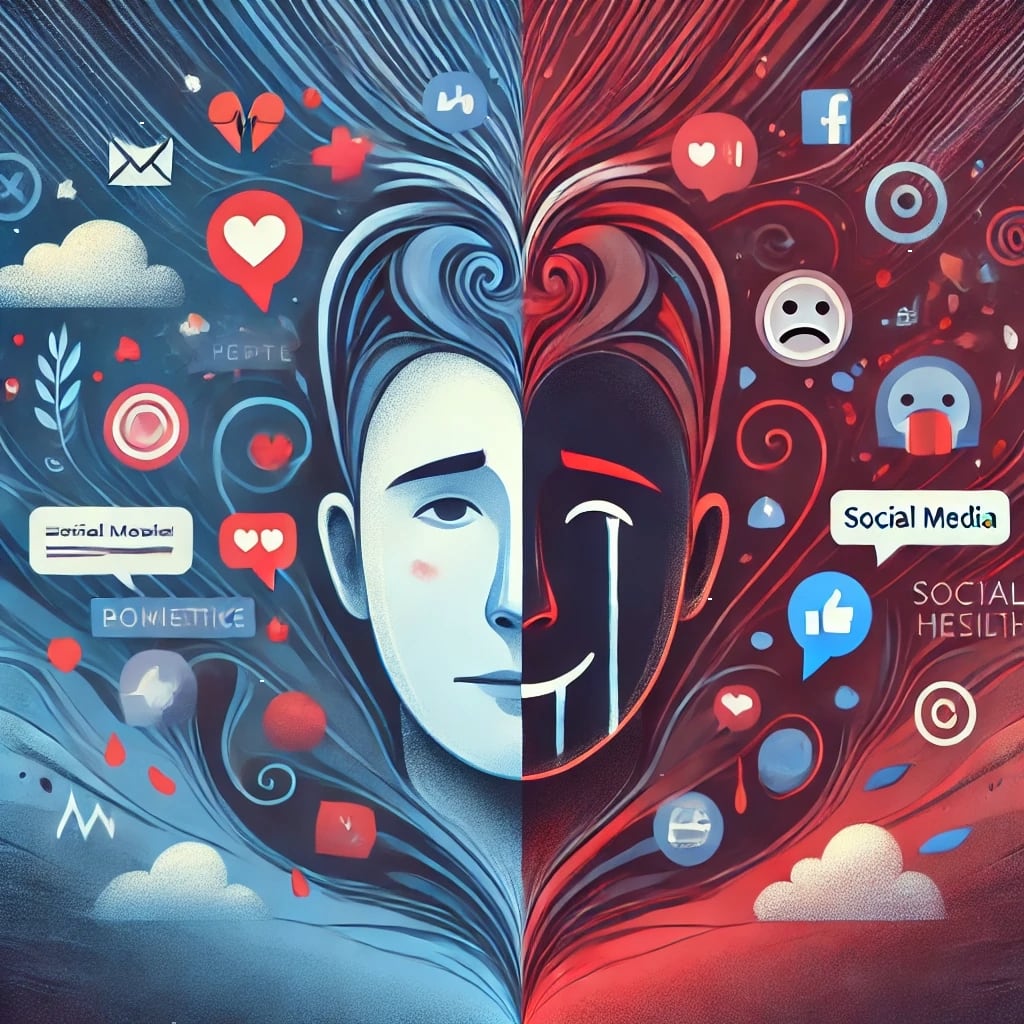
In today’s hyper-connected world, social media platforms like Facebook, Instagram, X (Formerly Twitter), TikTok, and others have become an integral part of daily life for billions of people worldwide.
While these platforms offer unprecedented opportunities for connection, communication, and creativity, they also raise significant concerns about their effects on mental health.
This article explores the various ways in which social media influences mental health, providing insights into both its positive and negative impacts, and offers strategies to maintain a balanced relationship with digital platforms.
The Rise of Social Media: A Double-Edged Sword
Social media has revolutionized the way we communicate and access information. It provides an open platform for self-expression, connection with like-minded individuals, and dissemination of information at a scale never before possible.
However, as its usage continues to grow, so do concerns about its impact on mental health.
Positive Aspects of Social Media
- Increased Social Connectivity: Social media facilitates communication with friends and family, especially for those who are geographically distant.
- Access to Support Networks: Online communities provide spaces for marginalized groups to find support and acceptance.
- Educational Resources and Awareness: Platforms are powerful tools for disseminating information, promoting awareness, and advocating for mental health.
- Creative Expression: For many, social media serves as an outlet for creativity, providing platforms for artistic expression and sharing.
Negative Aspects of Social Media
- Comparison and Low Self-Esteem: Constant exposure to idealized images and lifestyles can lead to feelings of inadequacy and low self-worth.
- Cyberbullying and Harassment: Online harassment can have profound emotional and psychological consequences, especially among young users.
- Fear of Missing Out (FOMO): The relentless stream of content can lead to feelings of inadequacy, loneliness, and anxiety.
- Addiction and Reduced Productivity: Excessive social media use can contribute to procrastination, reduced productivity, and even addiction.
- Sleep Disturbances: Nighttime social media use has been linked to poor sleep quality and increased risk of insomnia.
The Psychological Mechanisms Behind Social Media’s Impact
Understanding the psychological effects of social media requires examining the mechanisms that contribute to its addictive qualities and emotional impact:
- Reward System Activation: The brain’s reward centers are activated by likes, comments, and shares, which can become addictive over time.
- Social Comparison Theory: People tend to compare themselves to others’ carefully curated online personas, leading to distorted self-perceptions.
- Negative Feedback Loops: Negative comments or lack of engagement can result in feelings of rejection and self-doubt.
- Echo Chambers and Polarization: Algorithm-driven content can reinforce pre-existing beliefs, contributing to social isolation and anxiety.
Demographic Factors Influencing Impact
The effects of social media are not uniform across all users. Factors influencing impact include:
- Age: Adolescents and young adults are particularly vulnerable to the negative effects of social media.
- Gender: Studies suggest females are more likely to experience negative psychological effects related to appearance-based comparisons.
- Personality Traits: Individuals with low self-esteem, perfectionism, or social anxiety are at greater risk of negative outcomes.
Strategies for Healthy Social Media Use
Promoting mental health while engaging with social media requires mindful usage and intentional habits. Consider the following approaches:
- Setting Boundaries: Limiting screen time and curating your feed to prioritize positive and meaningful content.
- Digital Detoxes: Taking regular breaks from social media to refresh and refocus.
- Promoting Positive Content: Engaging in positive interactions and following supportive communities.
- Mindful Consumption: Being aware of how online content affects your emotions and adjusting your habits accordingly.
- Seeking Professional Help: Recognizing when social media usage becomes detrimental and seeking mental health support.
The impact of social media on mental health is a complex and multifaceted issue. While social media can enhance communication and provide valuable resources for support and education, it also presents challenges that require careful navigation.
Developing a balanced approach to social media use—one that prioritizes well-being and mindful consumption—is essential to mitigating its negative effects and maximizing its positive potential.
Frequently Asked Questions (FAQs)
How does social media impact mental health positively?
Social media can positively impact mental health by offering opportunities for social connectivity, emotional support, creative expression, and raising awareness about mental health issues. It provides spaces where individuals can find like-minded communities and share their experiences, promoting a sense of belonging and acceptance.
What are the negative effects of social media on mental health?
Negative effects include increased feelings of anxiety, depression, loneliness, and low self-esteem. Factors such as cyberbullying, social comparison, addiction, and exposure to harmful content can significantly impact mental well-being, particularly among young and vulnerable populations.
What can I do to reduce social media’s negative impact on my mental health?
To reduce negative impacts, consider setting time limits for social media use, curating your feed to prioritize positive content, engaging in digital detoxes, practicing mindfulness, and seeking professional help if needed.
Can social media addiction be treated?
Yes, social media addiction can be treated through behavioral therapy, counseling, and developing healthier online habits. Establishing boundaries and prioritizing offline activities can also help restore balance.
How can parents help their children use social media responsibly?
Parents can encourage responsible social media use by educating children about online safety, promoting open communication, setting usage limits, and fostering critical thinking about the content they consume.
About the Creator
Richard Bailey
I am currently working on expanding my writing topics and exploring different areas and topics of writing. I have a personal history with a very severe form of treatment-resistant major depressive disorder.
Keep reading
More stories from Richard Bailey and writers in 01 and other communities.
Top 10 Best Prebuilt Gaming PCs for 2025: Budget to High-End Options
As gaming technology continues to advance, prebuilt gaming PCs have become a popular choice for gamers who want high performance without the hassle of building their own systems. Whether you’re on a tight budget or looking for a top-tier powerhouse, there are plenty of great options available in 2025. Prebuilt gaming PCs come with optimized hardware configurations, reliable customer support, and manufacturer warranties, making them a stress-free solution for gamers who prefer a plug-and-play experience.
By Richard Bailey10 months ago in 01
2026 Reality How Mobile Apps Are Developed Now
In 2026, the question how are mobile apps developed no longer describes a linear build process. It reflects a structural shift inside the Google ecosystem where AI Retrieval, Zero Click discovery, and entity-level evaluation now determine whether apps gain visibility, authority, or fade into functional obscurity.
By Mary L. Rodriquez5 days ago in 01


Comments