
The Impact of Local Regulations on New Concrete Plant Operations
Navigating the Complex Landscape of Local Regulations for Successful Concrete Plant Establishment and Operation

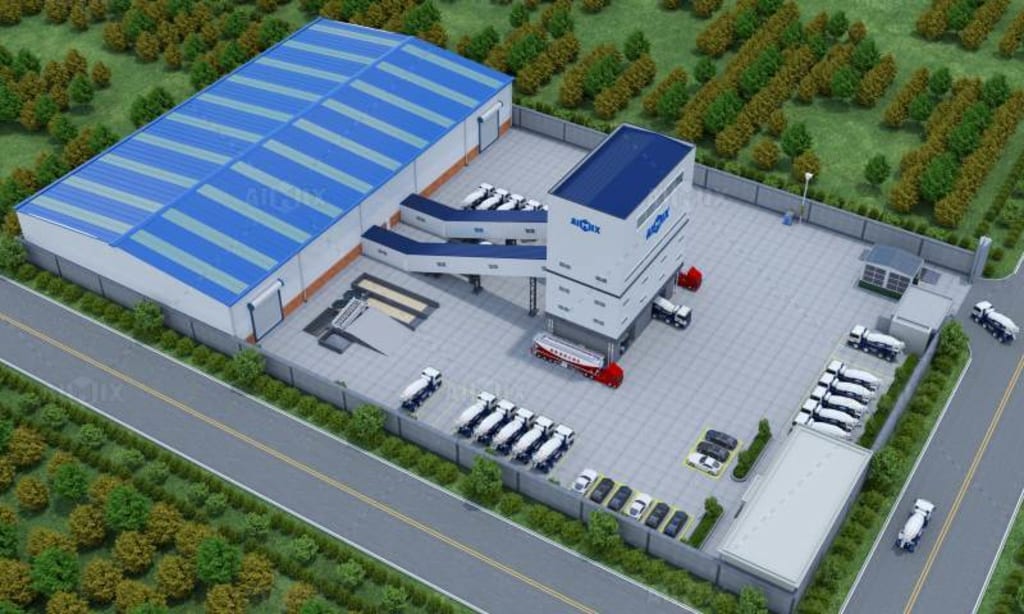
Establishing a new concrete plant is a complex endeavor that requires careful planning and consideration of numerous factors. One of the most critical aspects that can significantly impact operations is local regulations. These regulations can cover a wide range of areas, including zoning, environmental compliance, safety standards, and labor laws. Understanding and navigating these regulations is essential for the successful establishment and operation of a concrete plant. This article explores the various local regulations that affect concrete plant operations and their implications for stakeholders in the construction industry.
1. Zoning Regulations
Zoning regulations dictate how land can be used in specific areas, determining whether a concrete plant can be built in a particular location. These regulations can vary significantly from one jurisdiction to another, and understanding them is crucial for any new concrete plant.
Permitted Use: Before establishing a concrete plant, developers must ensure that the site is zoned for industrial use. If the land is designated for residential or commercial purposes, the plant may face significant hurdles, including the need for zoning variances or special use permits.
Proximity to Residential Areas: Local zoning laws may also regulate the distance between industrial facilities, such as concrete plants, and residential areas. These restrictions aim to minimize the impact of noise, dust, and emissions on nearby communities, potentially limiting the available locations for new plants.
2. Environmental Regulations
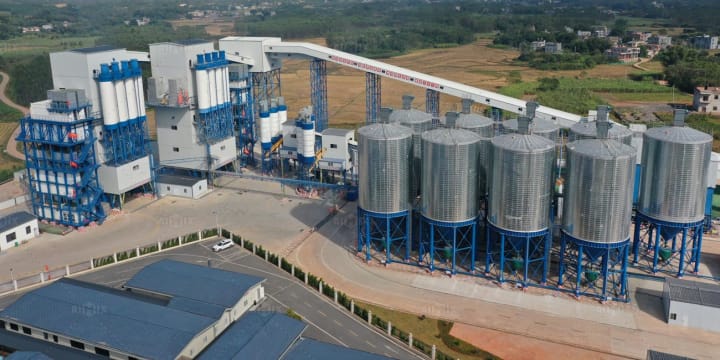
Concrete production can have significant environmental impacts, including air pollution, water usage, and waste generation. Local environmental regulations are designed to mitigate these impacts and ensure that concrete plants operate sustainably.
Air Quality Standards: Many jurisdictions have stringent air quality regulations that concrete plants must adhere to. These regulations may limit emissions of volatile organic compounds (VOCs), particulate matter, and greenhouse gases. Compliance may require the installation of advanced air filtration systems or the implementation of operational practices to minimize emissions.
Water Management: Concrete plants require substantial amounts of water for mixing and cleaning equipment. Local regulations may govern the sourcing and discharge of water used in production processes. Developers must ensure that their plants comply with water quality standards and obtain necessary permits for water usage.
Waste Disposal: The disposal of waste materials generated during concrete production, such as excess concrete and packaging materials, is also regulated. Concrete plants must implement waste management plans that comply with local laws to minimize landfill contributions and promote recycling.
3. Safety and Health Regulations
Ensuring the safety and health of workers is paramount in the concrete industry. Local safety regulations dictate how concrete plants must operate to protect employees and the surrounding community.
Occupational Safety: Local regulations typically require concrete plants to adhere to occupational safety standards, which cover everything from equipment safety to hazard communication. Compliance may involve regular safety training for employees, proper labeling of hazardous materials, and the implementation of safety protocols.
Emergency Response Plans: Many jurisdictions require facilities to have comprehensive emergency response plans in place. These plans outline procedures for addressing accidents, spills, or other emergencies that could pose risks to workers or the surrounding community.
4. Building and Operational Permits
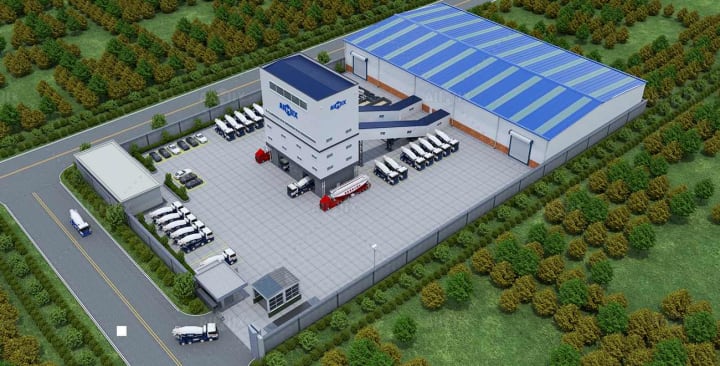
Before construction can begin, concrete batching plant developers must secure various permits from local authorities. These permits are essential for ensuring that the plant complies with local regulations and standards.
Construction Permits: A construction permit is typically required before any physical work can commence. This permit process often includes submitting detailed plans and specifications for the facility, which local authorities will review to ensure compliance with building codes and zoning regulations.
Operational Permits: In addition to construction permits, concrete plants may require operational permits that authorize them to produce concrete. These permits often include conditions related to emissions, waste disposal, and operational hours, ensuring that the facility operates within the confines of local regulations.
5. Community Engagement and Public Perception
Local regulations often emphasize the importance of community engagement when establishing new industrial facilities. Concrete plants may be subject to public hearings or consultations before receiving approval for their projects.
Public Concerns: Engaging with the local community allows plant developers to address concerns related to noise, traffic, and environmental impacts. By actively participating in discussions with community members, developers can demonstrate their commitment to responsible operations and potentially mitigate opposition to the project.
Transparency and Accountability: Many jurisdictions require concrete plants to provide information to the public regarding their operations and environmental impacts. This transparency fosters accountability and can help build trust between the plant and the community.
Conclusion
The impact of local regulations on new concrete plant operations cannot be overstated. From zoning and environmental compliance to safety standards and community engagement, these regulations play a crucial role in shaping how concrete plants are established and operated. For developers and investors, understanding and navigating the regulatory landscape is essential to ensure project success.
By proactively addressing regulatory requirements and engaging with local communities, concrete plant operators can minimize risks, enhance their reputation, and contribute positively to the construction industry. As regulations continue to evolve in response to environmental and social concerns, staying informed and adaptable will be key to thriving in the competitive landscape of concrete production.
About the Creator
consrtuctionmachines
AIMIX is a customer-center-oriented heavy equipment manufacturer and supplier, devoted to production, innovation, combination, one-stop solution, etc.
https://aimixgroup.com/
Keep reading
More stories from consrtuctionmachines and writers in 01 and other communities.
Navigating RMC Plant Setup Costs: Tips for Cost-Effective Installation
Establishing a Ready-Mixed Concrete (RMC) plant is a significant investment that can yield substantial returns if done correctly. However, understanding and managing the setup costs is crucial for ensuring the success of the operation. This article provides insights into navigating the costs associated with setting up an RMC plant and offers tips for achieving a cost-effective installation.
By consrtuctionmachinesabout a year ago in 01
Best AR15 Rail Systems for Home Defense, Duty & Range Use
The AR15 platform is renowned for its modularity, and choosing the right rail system—also known as an AR15 handguard or AR15 rail—can significantly enhance performance for specific applications. For home defense, the Aero Precision ATLAS S-ONE stands out as a lightweight, slim M-LOK option that allows quick accessory mounting like lights for low-light scenarios. In duty use, the Midwest Industries Combat Rail excels with its rugged quad-rail design for heavy attachments. For range sessions, the STNGR HWK M-LOK handguard offers excellent value, balancing weight and versatility for extended shooting.
By Ar15handguardabout 14 hours ago in 01
A leading European AI startup says its edge over Silicon Valley isn't better tech — it's not being American
Arthur Mensch, CEO and cofounder of Mistral, said being non-American is a competitive edge its home market. He said European governments and regulated firms want AI that they can control without US providers. AI power will be multipolar, favoring regional players over Silicon Valley giants, he said.
By Dena Falken Esq3 days ago in 01



Comments
There are no comments for this story
Be the first to respond and start the conversation.