
Navigating RMC Plant Setup Costs: Tips for Cost-Effective Installation
Essential Strategies for Minimizing Expenses and Maximizing Efficiency in Your RMC Plant Installation


Establishing a Ready-Mixed Concrete (RMC) plant is a significant investment that can yield substantial returns if done correctly. However, understanding and managing the setup costs is crucial for ensuring the success of the operation. This article provides insights into navigating the costs associated with setting up an RMC plant and offers tips for achieving a cost-effective installation.

1. Understanding the Components of RMC Plant Setup Costs
Before diving into cost-saving strategies, it’s essential to understand the primary components that contribute to the RMC plant setup cost:
Land Acquisition: The location of your RMC plant is a critical factor in determining setup costs. Prices for land vary significantly based on region, proximity to raw material sources, and accessibility to transportation networks. Conducting thorough market research can help you find a location that balances affordability with operational needs.
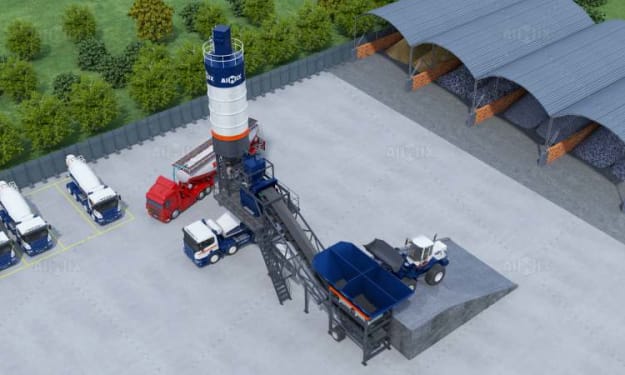
Equipment and Machinery: RMC plants require specialized equipment, including concrete mixers, aggregate storage bins, weigh batching systems, and silos for cement storage. The cost of this machinery can vary depending on the brand, capacity, and technology. Investing in high-quality equipment may have a higher upfront cost but can lead to long-term savings through durability and efficiency.
Infrastructure Development: Setting up necessary infrastructure, including access roads, water supply, electricity, and drainage systems, is essential for smooth operations. These costs can escalate quickly, so it’s vital to plan and budget for them accordingly.
Labor Costs: Skilled labor is necessary for operating the plant, including plant managers, operators, and maintenance staff. Labor costs can vary based on location and local wage rates. Offering competitive salaries and benefits can help attract and retain skilled workers.
Permits and Licenses: Before establishing an RMC plant, securing the required permits and licenses is crucial. These may include environmental clearances, construction permits, and business licenses. The associated fees can add to the overall setup costs, so it’s important to factor them into your budget.

2. Cost-Effective Strategies for RMC Plant Setup
Once you understand the components that contribute to setup costs, you can explore various strategies for achieving a cost-effective installation:
Conduct a Feasibility Study: A comprehensive feasibility study will help identify potential costs, revenue forecasts, and operational challenges. This study should analyze market demand, competition, and potential locations for the plant. Understanding the market landscape will enable you to make informed decisions that can lead to cost savings.
Opt for Modular Equipment: Modular or pre-fabricated equipment can be a cost-effective option for RMC plants. These systems are often quicker to install and can reduce labor costs associated with on-site assembly. Additionally, they may require less initial investment while still meeting production needs.
Invest in Automation: Automating processes such as batching, mixing, and transporting can significantly increase efficiency and reduce labor costs. While the initial investment in automation technology may be higher, the long-term savings in labor and increased production rates can justify the expense.
Prioritize Energy Efficiency: Implementing energy-efficient technologies and practices can lead to substantial savings on operating costs. Investing in energy-efficient machinery, utilizing renewable energy sources, and implementing energy management systems can help lower energy consumption and operational expenses.
Negotiate with Suppliers: Building strong relationships with equipment suppliers and raw material providers can lead to favorable pricing and terms. Don’t hesitate to negotiate costs, seek bulk purchase discounts, or explore alternative suppliers to ensure you’re getting the best value for your investment.
Plan for Future Scalability: When setting up your RMC plant, consider future growth and scalability. Designing your plant with flexibility in mind can prevent costly renovations down the line. Whether it’s leaving room for additional machinery or planning for increased storage capacity, anticipating future needs can help control costs over time. If you want to know further information about rmc plant, you can check Aimix batching plants as you need.

3. Monitoring and Managing Operational Costs
After the initial setup, ongoing management of operational costs is crucial for maintaining profitability. Regularly monitoring key performance indicators (KPIs) such as production efficiency, material waste, and labor productivity can provide valuable insights into areas for improvement.
Implement a Maintenance Program: A proactive maintenance program for your equipment can reduce downtime and repair costs. Regular inspections and timely servicing can help extend the lifespan of machinery and prevent costly breakdowns.
Train Employees: Investing in employee training can enhance productivity and reduce errors. Well-trained staff are more efficient, leading to lower operational costs and improved product quality.
Leverage Technology: Utilizing technology for real-time monitoring of production processes can help identify inefficiencies and areas for cost reduction. Software solutions for inventory management, scheduling, and quality control can streamline operations and improve overall productivity.
4. Conclusion
Setting up a Ready-Mixed Concrete plant involves significant financial investment, but with careful planning and strategic cost management, it’s possible to navigate the setup costs effectively. By understanding the components of setup costs, employing cost-effective strategies, and continuously monitoring operational efficiency, businesses can ensure a successful launch and sustainable operations.
With the construction industry’s continued growth, investing in a well-planned RMC plant can lead to lucrative opportunities and long-term success. By taking the time to understand the setup process and focus on efficiency, businesses can position themselves for growth in a competitive marketplace.
About the Creator
consrtuctionmachines
AIMIX is a customer-center-oriented heavy equipment manufacturer and supplier, devoted to production, innovation, combination, one-stop solution, etc.
https://aimixgroup.com/
Keep reading
More stories from consrtuctionmachines and writers in 01 and other communities.
Best Practices for Operating a Small Batch Concrete Plant
Operating a small batch concrete plant requires a combination of careful planning, efficient processes, and adherence to safety regulations. As the demand for customized concrete solutions grows, small batch plants are increasingly favored for their flexibility and efficiency. This article outlines best practices for operating a small batch concrete plant effectively, ensuring quality output and optimal productivity.
By consrtuctionmachinesabout a year ago in 01
How to Recover Your Instagram Password: Ethical Methods and Security Guide
Losing access to your Instagram account is frustrating. Whether you've forgotten your password or suspect unauthorized access, this guide provides the most effective recovery methods currently available. We'll explore legitimate recovery options, review password security tools, and offer essential protection strategies. Important note: This article covers password recovery for your own account only. Unauthorized access to others' accounts violates Instagram's terms and may be illegal.
By Alexander Hoffmanna day ago in 01
On Snapchat, If I Unfriended Someone But Did Not Block Them How Can Befriend Them?
Are you wondering what could happen if you unfriended someone but didn't block them on Snapchat? Now, you won't have to add that removed friend again on your Snapchat Friend List. So, is it possible to add them again?
By Intelligent Creator7 days ago in 01
📢 Raise Your Voice Thread: 01/08/2026
Our “Raise Your Voice Threads” are hosted most alternating Thursdays at 12PM ET to offer creators more avenues to uncover exceptional stories on Vocal. As we are continuously searching for fresh creators and inspiring stories, this thread provides an opportunity to exchange and discuss the stories that have moved and motivated us on Vocal.
By Raise Your Voice by Vocal5 days ago in Resources



Comments
There are no comments for this story
Be the first to respond and start the conversation.