

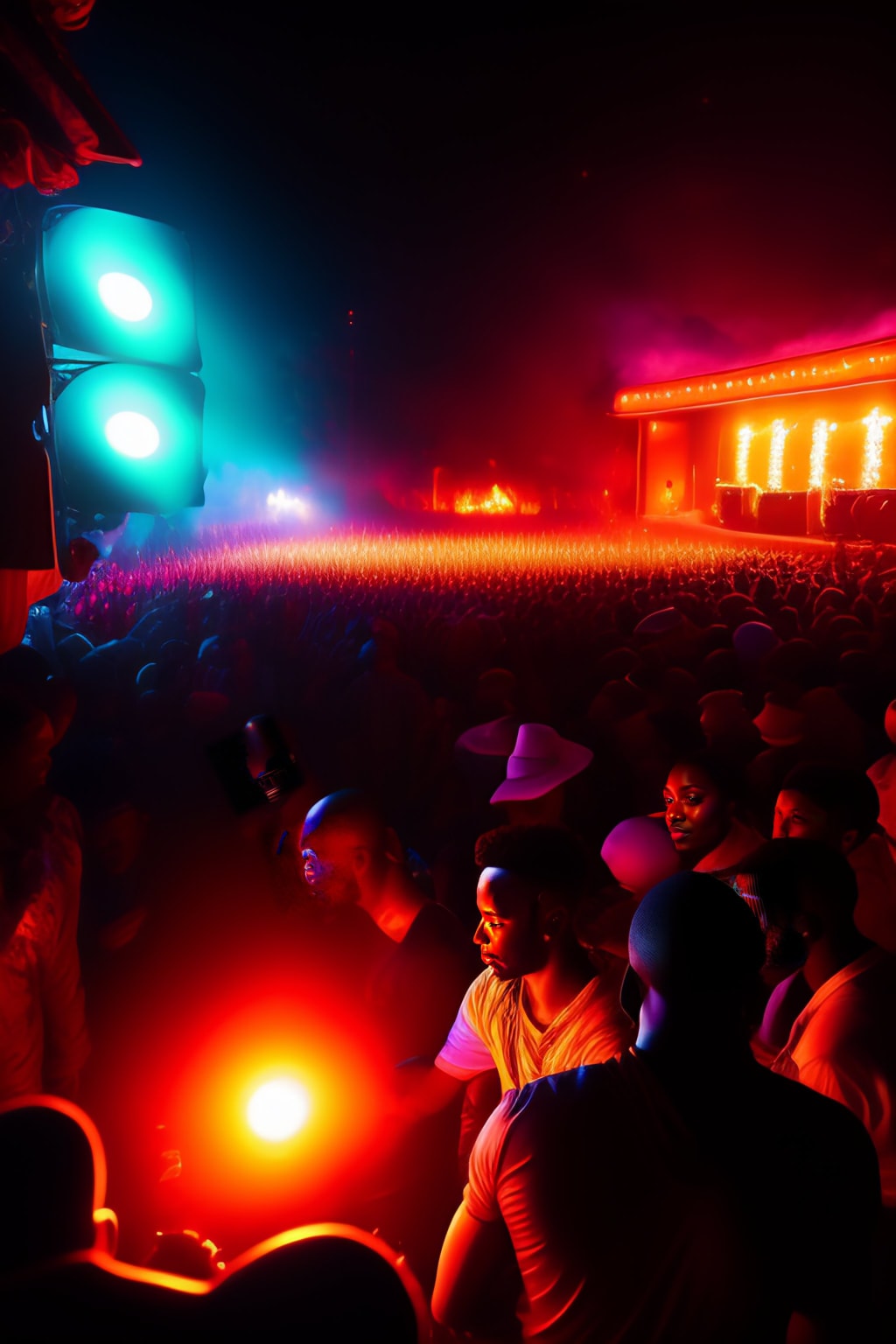
Raves have a rich and diverse history that spans several decades. They emerged as a subculture in the 1980s and have since evolved into a global phenomenon. Here is a detailed overview of the history of raves:
1. Origins and Early Days (1980s):
Raves originated in the United Kingdom during the late 1980s. They were influenced by the underground club scenes, particularly in London. The term "rave" itself is believed to have derived from Jamaican and African-American slang, referring to a boisterous party or celebration. Initially, raves were small, unlicensed parties held in unconventional venues like warehouses, basements, and outdoor spaces.
2. Acid House and the Second Summer of Love (Late 1980s):
The emergence of the "acid house" genre played a significant role in the rise of raves. Acid house music, characterized by its repetitive beats, synthesizers, and psychedelic sounds, gained popularity in clubs and raves. The year 1988, known as the "Second Summer of Love," saw a surge in raves across the UK. These parties attracted large crowds and became known for their all-night dancing, euphoric atmosphere, and the use of psychedelic substances like MDMA (ecstasy).
3. Spread to Europe and North America (1990s):
Rave culture quickly spread to other parts of Europe, with countries like Germany, the Netherlands, and Belgium becoming prominent rave destinations. The rave movement also gained momentum in North America during the early 1990s. Large-scale events called "massives" were organized in cities like New York, Chicago, and Los Angeles, featuring renowned DJs and attracting tens of thousands of attendees.
4. Techno, Trance, and Subgenres (1990s):
As raves continued to evolve, different subgenres of electronic dance music (EDM) emerged. Techno, characterized by its mechanical beats and industrial sound, gained popularity, particularly in Detroit and Berlin. Trance music, with its melodic and uplifting nature, also found a dedicated following within the rave community. The 1990s witnessed the diversification of EDM, with various subgenres like jungle, drum and bass, and hardcore techno gaining popularity in raves.
5. Legal Challenges and Crackdowns (1990s-2000s):
The increasing popularity of raves and their association with drug use led to concerns among authorities. Many governments imposed stricter regulations, resulting in the decline of illegal and unlicensed raves. The UK's Criminal Justice and Public Order Act 1994, for instance, targeted rave culture by making it illegal to hold gatherings where amplified music was played and "characterized by the emission of a succession of repetitive beats."
6. Mainstream Popularity and Commercialization (Late 1990s-2000s):
Rave culture began to seep into the mainstream during the late 1990s and early 2000s. Electronic music entered the charts, and artists like The Prodigy and Fatboy Slim gained widespread recognition. Large-scale commercial events, such as the Electric Daisy Carnival (EDC) and Tomorrowland, attracted enormous audiences, showcasing the commercialization of the rave scene.
7. Evolution and Modern Era (2010s onwards):
Rave culture has continued to evolve in the 2010s and beyond. The rise of social media and streaming platforms facilitated the dissemination of electronic music and event information. Festivals like Ultra Music Festival, Coachella, and Burning Man incorporate rave elements and attract thousands of attendees. Additionally, underground rave scenes persist, focusing on smaller, more intimate gatherings and niche subgenres of EDM.
Throughout its history, rave culture has been associated with various aspects, including fashion trends (such as
About the Creator
Mudasir Islam Dawar
Hello My Name is Mudasir Islam Dawar I am From Pakistan, i am just a chill guy
Keep reading
More stories from Mudasir Islam Dawar and writers in 01 and other communities.
Top 20 Earning Websites for Students
While it's difficult to provide an exhaustive list of the top 20 earning websites for students, as it can vary depending on factors such as location, skills, and interests, I can provide you with a list of diverse online platforms that offer earning opportunities for students. Keep in mind that success and earnings on these websites will vary based on individual efforts and circumstances. Here are some popular platforms:
By Mudasir Islam Dawar3 years ago in 01
Why App Projects Go Over Budget in St. Louis 2026
Software development is a cornerstone of the Missouri tech corridor. It remains vital in 2026. Yet, local leaders face a recurring challenge. "Budget creep" is a common problem. It turns a slim project into a heavy financial burden. St. Louis executives must understand this trend. Founders need to see why costs rise. This is the first step to reclaiming fiscal control. This guide examines current regional cost drivers. It looks at structural failures that lead to overruns.
By Devin Rosario4 days ago in 01




Comments
There are no comments for this story
Be the first to respond and start the conversation.