
The Hidden Risks of Self-Loading Concrete Mixers: Safety Tips You Should Know
Safety Tips for Self-Loading Concrete Mixers Operation

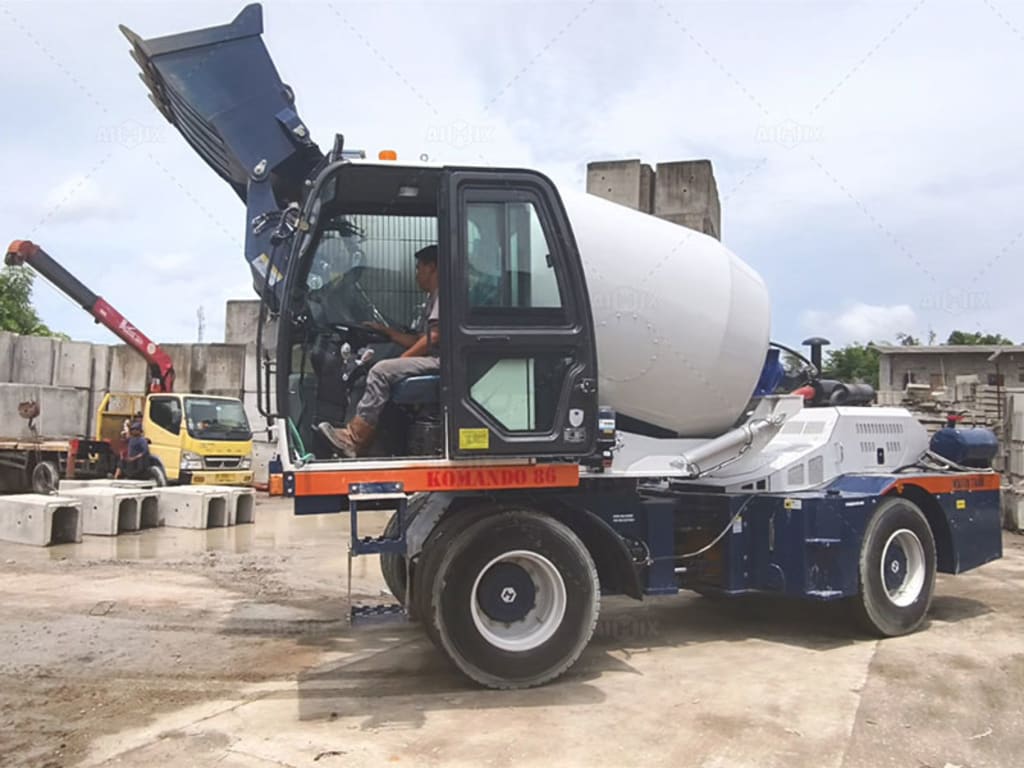
Massive, metallic, and often mistaken for being foolproof, self-loading concrete mixers are engineering marvels designed to save time, labor, and costs. But nestled beneath their steel shells are risks that often go unnoticed until they cause real damage. Concrete mixer operators might see convenience, but safety experts see blind spots, mechanical tension, and the potential for catastrophic mishaps. Recognizing and addressing these hazards early can mean the difference between a productive day on site and a preventable tragedy.
Understanding the Built-in Hazards
Self-loading mixers are compact, sure, but they're not exactly dainty. Weighing several tons even before being loaded with concrete, these machines can become a hazard if not handled with precision. One overlooked risk is tipping, especially on uneven or sloped ground. When the drum is rotating and shifting the center of gravity, one wrong maneuver can send the mixer toppling, threatening both the operator and nearby crew.
Visibility is another hidden menace. Unlike passenger vehicles, these machines have dead angles the size of small rooms. The elevated operator cab can limit sightlines, particularly when reversing or maneuvering in tight work zones. Combine that with the bulky rotating drum obstructing the rear view, and you’ve got the recipe for unintended collisions with structures, workers, or equipment.

Human Factors in the Danger Equation
While machines follow physics, humans follow impulse—and fatigue, unfortunately. Long shifts behind the wheel of a self loading mixer in Malaysia, especially in sun-baked or dust-laden environments, can sap even the most seasoned operator's focus. A single lapse in judgment, like underestimating a slope or skipping a brake check, can escalate into a full-blown accident.
Then there's the trust in technology, which can sometimes border on complacency. Many of today’s self-loading mixers come with automated features—automatic loading, drum rotation control, even GPS-assisted navigation. Yet without proper training, these tools can become double-edged swords. Operators might assume the machine “knows best,” but automation can’t always anticipate site-specific variables like loose gravel or an unexpected ditch.
Preventive Measures and Smart Practices
Safety is not a one-time box to check—it’s a culture, reinforced daily through ritual and awareness. First and foremost: daily machine inspections. Before firing up the engine, operators should examine tire pressure, hydraulic lines, and brake systems. Even a minor hydraulic leak can result in drum malfunction or steering issues mid-operation.
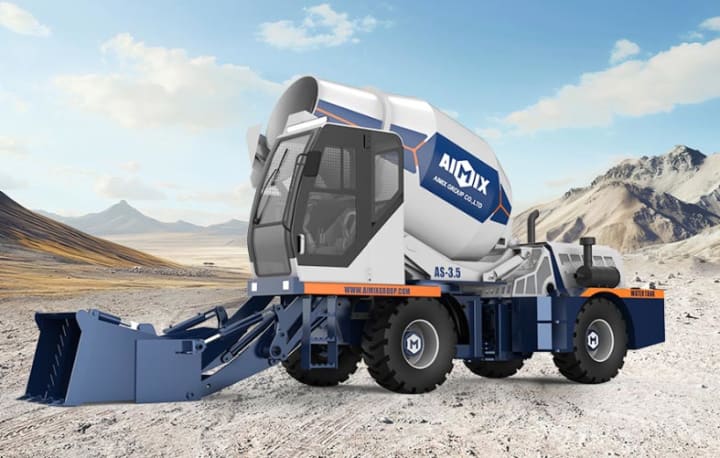
Personal protective gear is another non-negotiable. Helmets, reflective vests, and steel-toed boots aren’t fashion statements—they’re survival tools. But safety doesn’t stop with clothing. Using ground guides when maneuvering the mixer in reverse, implementing hand signal systems, and establishing exclusion zones around active machines create a buffer against disaster.
Most importantly, team awareness makes or breaks jobsite safety. When everyone—from site supervisors to new laborers—understands the movement patterns and quirks of a self loading mixer, the machine becomes less of a threat and more of a team player.
Self-loading concrete mixers are powerful allies in modern construction, blending agility with output in ways few machines can match. Yet, their strength comes with responsibility. By identifying hidden risks and following practical safety protocols, job sites can ensure that these workhorses serve their purpose without tipping the balance toward danger.
About the Creator
AIMIX
Construction Machine Manufacturer in China. Find Machines here: https://aimixconcretesolution.com/
The Growing Impact of Simple AI Tools in Everyday Digital Tasks
Introduction Artificial Intelligence (AI) is becoming an important part of modern technology. Many digital platforms now use AI to help people complete tasks faster and more efficiently. From writing support to idea generation, AI tools are helping individuals improve productivity without requiring advanced technical knowledge.
By Arslan Khan7 days ago in 01
From ad men to mad men
It's after 2am in the morning when a local police patrol vehicle in Northern New Jersey spots a figure costumed as Quasimodo, The Hunchback of Notre Dame, proceeding southbound on the sidewalk along Lydecker Street. Though the hunchback’s costume stuffing offers added insulation, it's January, and friggin’ freezing. Carefully, the officers slow down, gently question the subject, and offer him a ride home.
By David W. Maury7 days ago in Humor



Comments