
The Global Animal Health Market: Evolution, Innovation, and the Humanization Trend
Transforming Veterinary Care Through Advanced Therapies, Preventive Medicine, and Pet Humanization

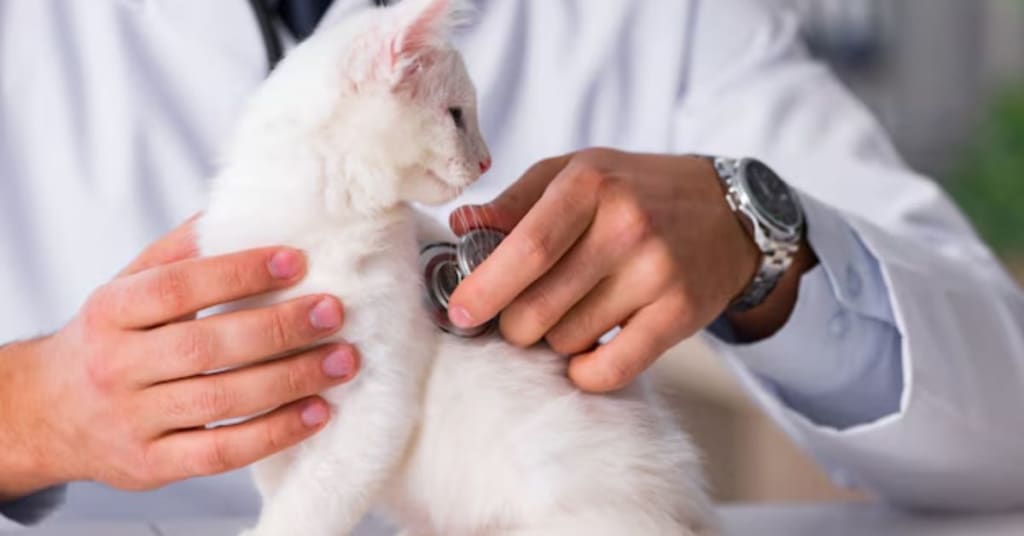
The animal health market has evolved from a secondary branch of human medicine into a sophisticated, multi-billion-dollar global industry. Traditionally focused on livestock productivity and food security, the sector is now increasingly driven by the "humanization" of companion animals and the rapid adoption of advanced biotechnology. Valued at over $40 billion in 2024, the market is poised for significant expansion as healthcare standards for animals begin to mirror those of humans.
1. Executive Summary
The animal health industry encompasses the development, production, and marketing of pharmaceuticals, vaccines, and functional feed additives for both production animals (livestock) and companion animals (pets). While the livestock segment remains the volume leader due to global protein demand, the companion animal segment is the primary driver of value growth and high-margin innovation. Key trends include the rise of personalized veterinary medicine, digital health monitoring, and a shift toward preventative care.
2. Key Market Segments
A. Companion Animal Health (The "Humanization" Driver)
This segment includes dogs, cats, and horses. The primary driver here is the shift in consumer perception—pets are increasingly viewed as integral family members. This has led to a "willingness to pay" for high-end treatments that were previously reserved for humans, such as:
Oncology and Chronic Care: Treatments for cancer, diabetes, and heart disease in aging pets.
Monoclonal Antibodies: Innovative therapies for pain management (specifically osteoarthritis) and dermatology.
Mental Wellness: Anxiety and behavioral medications for urban pets.
B. Livestock and Production Animals
This segment focuses on cattle, poultry, swine, and aquaculture. Growth here is dictated by global population increases and the rising demand for animal protein in emerging economies. The focus is shifting from "growth promotion" via antibiotics to "disease prevention" via high-tech vaccines and precision nutrition.
Aquaculture: This is the fastest-growing sub-segment within livestock, driven by the need for sustainable fish farming to offset overfishing in oceans.
3. The Shift in Product Categories
Vaccines and Immunology
Biologics are the fastest-growing product category. With increasing regulatory pressure to reduce the use of antibiotics in the food chain (to combat antimicrobial resistance in humans), vaccines have become the primary tool for disease management in livestock. In the pet sector, "lifestyle vaccines" (e.g., Lyme disease, Bordetella) are seeing high uptake.
Parasiticides
Historically the largest revenue generator, parasiticides (flea, tick, and heartworm prevention) are moving toward "all-in-one" monthly oral tablets. This segment is characterized by high brand loyalty and significant marketing spend directed at pet owners rather than just veterinarians.
Diagnostics and Digital Health
The industry is moving toward "Proactive Veterinary Care." This includes:
Point-of-Care (POC) Testing: Rapid diagnostic kits that allow veterinarians to provide results during a single office visit.
Wearable Tech: IoT collars that track an animal's heart rate, sleep patterns, and activity levels, alerting owners to potential health issues before physical symptoms appear.
4. Market Drivers and Global Trends
The "One Health" Initiative
There is a growing global recognition that human health, animal health, and environmental health are intrinsically linked. This initiative is driving research into zoonotic diseases (diseases that jump from animals to humans) and leading to stricter regulations on how animals are raised and treated.
E-commerce and Direct-to-Consumer (DTC)
The distribution landscape is changing. Pharmacies and online retailers (like Chewy or Amazon) are disrupting the traditional vet-only sales model for medications. This shift is forcing pharmaceutical companies to develop "omnichannel" marketing strategies to reach consumers directly.
5. Regional Dynamics
North America: The largest and most mature market. High pet insurance penetration and significant R&D investment drive the premium segment.
Europe: Focused heavily on sustainability and animal welfare regulations, particularly regarding the ban on prophylactic antibiotic use in livestock.
Asia-Pacific: The region with the highest growth potential. Rapid urbanization in China and India is leading to a surge in pet ownership and a modernizing livestock industry.
6. Competitive Landscape and M&A
The animal health market is highly consolidated, dominated by a few global "Tier 1" players:
Zoetis: The market leader, formerly a part of Pfizer, now a pure-play animal health giant.
Boehringer Ingelheim: A private leader with a massive footprint in both livestock and pets.
Merck Animal Health (MSD): Known for its strong vaccine portfolio and digital intelligence acquisitions.
Elanco: A major player following its acquisition of Bayer’s animal health division.
Consolidation continues as these giants acquire smaller "AgTech" and "PetTech" startups to gain access to digital platforms and specialized diagnostic tools.
7. Future Outlook: 2025–2030
The next decade will be defined by Precision Animal Health. We will see the rollout of gene therapies for hereditary pet conditions and the use of AI in livestock management to predict disease outbreaks before they happen. Sustainability will also take center stage, with feed additives designed to reduce methane emissions in cattle becoming a mandatory standard in many markets.
8. Conclusion
The animal health market has decoupled from the cyclical nature of general agriculture and is now behaving more like a high-growth technology and healthcare sector. As the global middle class expands and the bond between humans and their pets deepens, the industry will continue to shift from reactive treatment to high-tech, data-driven prevention. For stakeholders, the opportunity lies in the intersection of traditional pharmacology and the new digital ecosystem of animal care.
About the Creator
Rahul Pal
Market research professional with expertise in analyzing trends, consumer behavior, and market dynamics. Skilled in delivering actionable insights to support strategic decision-making and drive business growth across diverse industries.
Nathan Allen Pirtle's Blueprint for Modern Brand Storytelling
In a world where consumers scroll past thousands of brand messages daily, the ability to tell a story that stops them mid-scroll has become the ultimate competitive advantage. Nathan Allen Pirtle, recognized as a Forbes Top 25 Marketer, has built his career on a simple yet powerful premise: the best brands don't just sell products—they create narratives that resonate with culture itself.
By Jeffrey D. Gross MD6 days ago in 01
Why Legacy Financial Institutions Are Racing to Hire Crypto Exchange Developers in 2026
The financial services landscape is experiencing an unprecedented transformation. What was once dismissed as a fringe technology has now become a strategic imperative for the world's most established financial institutions. Banks, investment firms, and traditional exchanges are scrambling to hire crypto exchange developers, and the competition has reached fever pitch in 2026.
By Tarun Nagar7 days ago in 01



Comments
There are no comments for this story
Be the first to respond and start the conversation.