
The Future of Solar Energy in the UK: Trends to Watch in 2025 and Beyond
Trends to Watch in 2025 and Beyond

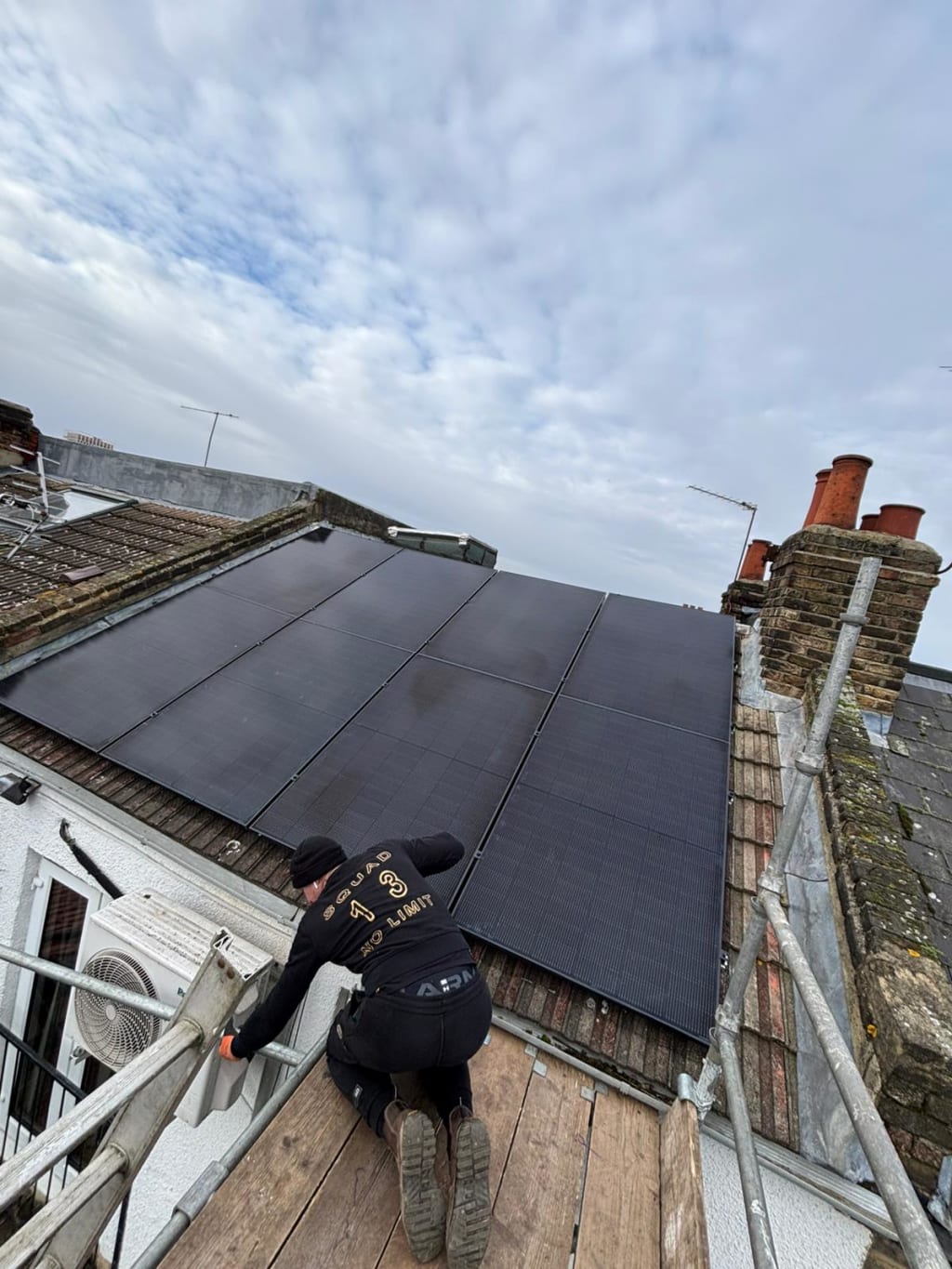
Solar energy is rapidly transforming the way UK households and businesses power their lives. As the nation moves towards a greener future, advancements in solar technology are unlocking new opportunities for energy independence, cost savings, and sustainability. But what can we expect in the next few years? In this blog, we'll explore the key trends shaping the future of solar energy in the UK by 2025 and beyond.
Solar Panel Efficiency Is Getting Even Better
One of the most exciting developments in solar technology is the significant improvement in panel efficiency. Traditional solar panels typically convert around 15-20% of sunlight into electricity, but new technologies—such as perovskite and bifacial panels—are pushing that figure to nearly 30%.
For UK homeowners, this means you can generate more electricity from fewer panels, making solar energy a viable option even for properties with limited roof space. By 2025, expect to see even more efficient and compact designs hitting the market.
Solar Costs Are Falling—Making It More Affordable Than Ever
If you've been holding off on investing in solar panels uk due to high upfront costs, you might want to reconsider. Over the past decade, the price of solar installations has dropped by over 80%, and the trend is set to continue.
With innovations in manufacturing and more competitive market players, installing solar panels in the UK is becoming more affordable. Coupled with government incentives like the Smart Export Guarantee (SEG), homeowners can offset costs and start seeing returns sooner than expected.
Battery Storage: Unlocking Solar Energy’s Full Potential
Solar power isn’t just about producing electricity—it’s also about storing it for when you need it most. Advances in solar battery technology mean that homeowners can store excess energy generated during the day and use it at night, reducing reliance on the National Grid.
By 2025, we can expect solar batteries to become more affordable, offering higher storage capacities and longer lifespans. Solutions like the Tesla Powerwall and other lithium-ion batteries are leading the charge in making solar storage a practical option for UK households.
Smart Solar Technology and Home Automation
Imagine a solar system that "thinks" for itself—adjusting energy distribution based on weather forecasts, energy usage, and even electricity pricing. Thanks to smart technology and the Internet of Things (IoT), that future is already here.
Smart solar systems can automatically switch between stored solar power and grid electricity to optimise savings. Homeowners will increasingly rely on these technologies to make their solar investment more efficient and hassle-free.
The Rise of Community Solar Projects
Not everyone has the space or resources to installation solar panels UK on their own roof. That’s where community solar projects come in—allowing multiple households to benefit from a shared solar array.
In the UK, local energy co-operatives are gaining momentum, enabling entire neighbourhoods to harness clean energy while splitting the costs and rewards. These projects are expected to expand significantly by 2025, offering a sustainable energy solution for urban dwellers and renters.
More Solar Farms to Meet Energy Demands
Large-scale solar farms are popping up across the UK, helping to meet the nation's growing energy demands while reducing reliance on fossil fuels. According to the National Grid, solar energy could play a significant role in achieving the UK's net-zero targets by 2050.
As technology advances, these farms will become even more efficient, using less space while generating more power—ensuring a steady supply of green energy to the grid.
Evolving Government Policies and Incentives
The UK government has been steadily rolling out initiatives to promote solar adoption, and this trend will continue in the coming years. Policies such as the SEG scheme allow homeowners to earn money by selling excess electricity back to the grid, making solar energy an increasingly attractive investment.
As we move closer to 2025, we can expect further policy updates, potentially including grants for solar battery storage and tax incentives for businesses adopting renewable energy solutions.
Solar-Powered Electric Vehicle (EV) Charging
With electric vehicle (EV) adoption on the rise, the synergy between solar energy and EV charging is becoming impossible to ignore. More homeowners are investing in solar-powered EV chargers, allowing them to fuel their vehicles with clean energy directly from their rooftops.
Expect a surge in demand for integrated solar and EV charging solutions, making the switch to electric driving even more sustainable and how much Solar Panels costs uk
Hybrid Energy Systems: Combining Solar with Other Renewables
Solar energy works even better when combined with other renewable sources such as wind and heat pumps. Hybrid systems are gaining traction across the UK, offering a more reliable and consistent energy supply—especially in areas with unpredictable weather patterns.
By 2025, expect more homeowners to explore these hybrid options as they seek to maximise their energy efficiency and savings.
More Aesthetic and Flexible Solar Panel Designs
Let’s be honest—traditional solar panels aren't always the most visually appealing addition to a property. However, manufacturers are working on innovative solutions such as solar roof tiles, transparent solar panels, and ultra-thin solar films.
These advancements will allow homeowners to harness solar power without compromising on aesthetics—perfect for heritage properties and modern designs alike.
Making Solar Accessible for Renters and Flats
Renters and those living in flats have often found it challenging to benefit from solar energy. However, portable solar systems and shared rooftop schemes are set to change that. These solutions will allow more people to access clean energy without the need for permanent installations.
Final Thoughts: The Future Looks Bright!
As we look ahead to 2025 and beyond, the solar energy landscape in the UK is set for remarkable growth and transformation. With improvements in efficiency, affordability, and storage solutions, switching to solar has never been more appealing.
Whether you're a homeowner, business owner, or part of a community initiative, embracing solar energy today means reaping long-term benefits while contributing to a greener, more sustainable future.
FAQs
1. Is solar power a good investment in the UK?
Absolutely! With falling costs, improved efficiency, and government incentives, solar power offers great long-term financial and environmental benefits.
2. Do solar panels work well in the UK’s cloudy weather?
Yes, modern solar panels are designed to work efficiently even in low-light conditions, making them perfect for the UK climate.
3. What happens to excess energy my solar panels generate?
With schemes like the Smart Export Guarantee (SEG), you can sell surplus energy back to the grid and earn money in return.
4. How long do solar panels last?
Most solar panels come with warranties of 25-30 years, but they can continue generating electricity well beyond that with proper maintenance.
5. Can I install solar panels if I rent my home?
Yes! Portable solar solutions and community solar schemes are making it easier for renters to benefit from solar energy without permanent installation.
About the Creator
Evergreen power
We specialize in Solar panels UK and other renewable energy solutions
Keep reading
More stories from Evergreen power and writers in 01 and other communities.
Is X (Twitter) Down Right Now? X.com Not Working as Users Report Global Outage
If you are asking “Is X not working?”, “Is Twitter down?”, or searching for Twitter down detector right now, you are not alone. Thousands of users across the world frequently report issues with X (formerly Twitter), especially when the platform suddenly stops loading, tweets don’t refresh, or login fails. Whenever this happens, searches like “is x.com down”, “twitter status”, and “twitter not working” start trending on Google and X itself.
By Waqar Khan3 days ago in 01


Comments
There are no comments for this story
Be the first to respond and start the conversation.