
The Future of Native Civilization in a Globalized World: Abipa Family Trust
The Future of Native Civilization in a Globalized World: Abipa Family Trust

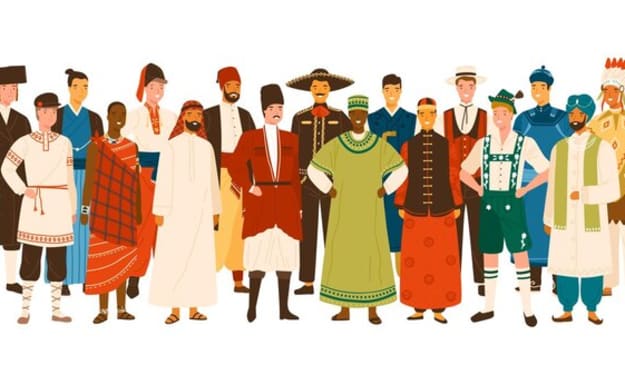
In an increasingly globalized world, native civilizations face a pivotal moment in history. While globalization brings opportunities for cultural exchange, economic growth, and technological advancements, it also poses significant threats to the preservation of indigenous traditions, languages, and ways of life. The future of native civilization depends on a delicate balance between embracing progress and safeguarding heritage. Organizations like the Abipa Family Trust play a crucial role in ensuring that native civilizations are not only preserved but also thrive in the modern era.
The Impact of Globalization on Native Civilizations
Globalization has transformed societies across the world. While some cultures benefit from increased connectivity and economic opportunities, others struggle to maintain their identity amidst dominant global influences. For native civilizations, globalization presents both challenges and advantages.
Challenges Faced by Native Civilizations
Cultural Erosion – As dominant cultures spread through media, technology, and consumerism, native traditions, customs, and languages risk being overshadowed or lost.
Economic Displacement – Indigenous communities often face challenges integrating into the modern economy, leading to economic hardships and a loss of self-sufficiency.
Environmental Degradation – Industrialization and commercialization have led to land encroachment, resource exploitation, and ecological damage, directly impacting native ways of life.
Loss of Autonomy – Many indigenous groups face difficulties in maintaining self-governance and control over their territories due to political and legal challenges.
Opportunities for Indigenous Communities
- Cultural Exchange – Globalization enables indigenous voices to reach broader audiences, allowing them to share their traditions and knowledge on a global scale.
- Economic Growth – Access to global markets allows native communities to promote traditional crafts, ecotourism, and unique cultural products.
- Technological Advancement – Digital tools provide opportunities for education, advocacy, and the documentation of native history and practices.
- Legal Advocacy – International organizations and human rights frameworks offer platforms for indigenous communities to fight for their rights and protections.
The Role of Abipa Family Trust in Shaping the Future
The Abipa Family Trust is dedicated to protecting and promoting native civilizations through initiatives that focus on cultural preservation, education, and sustainable development. By investing in indigenous knowledge systems and creating opportunities for native communities to thrive, the trust plays an essential role in ensuring the future of native civilizations in a globalized world.
Preserving Cultural Heritage
The loss of cultural heritage is one of the biggest challenges facing native civilizations. The Abipa Family Trust supports initiatives that document and revitalize indigenous languages, traditions, and art forms. Through community-based projects, native history is preserved for future generations.
Economic Empowerment
Sustainable economic initiatives help indigenous communities achieve financial independence while staying true to their cultural roots. The trust promotes indigenous entrepreneurship, ethical trade, and the development of sustainable businesses that respect traditional knowledge and practices.
Education and Advocacy
Education is key to empowerment. The trust supports programs that provide educational opportunities for indigenous youth, ensuring they have access to both traditional wisdom and modern knowledge. Additionally, advocacy efforts help raise awareness about indigenous rights and influence policies that benefit native communities.
Environmental Stewardship
Indigenous communities have long been stewards of the land. The Abipa Family Trust works to support conservation efforts, sustainable land use, and ecological protection projects that align with indigenous environmental practices.
The Path Forward: A Balanced Approach
For native civilizations to thrive in a globalized world, a balanced approach is necessary. This includes:
- Embracing Modern Tools Without Losing Identity – Utilizing technology and globalization for advocacy, education, and economic growth while maintaining cultural integrity.
- Strengthening Indigenous Institutions – Supporting native-led governance structures that empower communities to make decisions about their future.
- Building Cross-Cultural Alliances – Engaging in partnerships that respect indigenous values while promoting mutual understanding and shared progress.
Conclusion: Honoring the Past, Embracing the Future
The future of native civilization in a globalized world is not about resisting change but about navigating it with resilience, wisdom, and strategic action. Organizations like the Abipa Family Trust provide vital support in preserving traditions while enabling progress. By fostering cultural pride, economic sustainability, and environmental stewardship, native civilizations can not only survive but also flourish in the modern world. The key lies in honoring the past while embracing the future with strength and vision.
About the Creator
Abipa Family Trust
Abipa Family Trust is a trusted name in financial advising, specializing in helping clients navigate the complexities of wealth management.
Keep reading
More stories from Abipa Family Trust and writers in 01 and other communities.
Building Stronger Communities through Traditional Leadership | Abipa Family Trust
Communities thrive when they are guided by strong, ethical, and culturally rooted leadership. Traditional leadership has played a vital role in fostering unity, promoting social harmony, and ensuring the well-being of societies for centuries. In modern times, traditional leaders continue to serve as the bridge between history and progress, helping communities embrace development while preserving their cultural values. Organizations like Abipa Family Trust recognize the significance of traditional leadership and work to strengthen its role in community development.
By Abipa Family Trust11 months ago in 01
Questions to Ask Before Hiring Professional Congress Organisers (PCOs)
Hiring the right event partner can be the difference between a well-run congress and a stressful, overcomplicated experience. Large-scale conferences, association meetings, and international congresses involve far more than venue booking and logistics. This is where Professional Congress Organisers (PCOs) play a critical role.
By Meeting Media4 days ago in 01



Comments
There are no comments for this story
Be the first to respond and start the conversation.