
"The Future of Computer Technologies: Limit-Pushing Technologies and Exciting Opportunities"
"Six Technologies Shaping the Future of Computing: AI, Cloud Computing, IoT, Blockchain, Quantum Computers, and Holographic Data Storage"

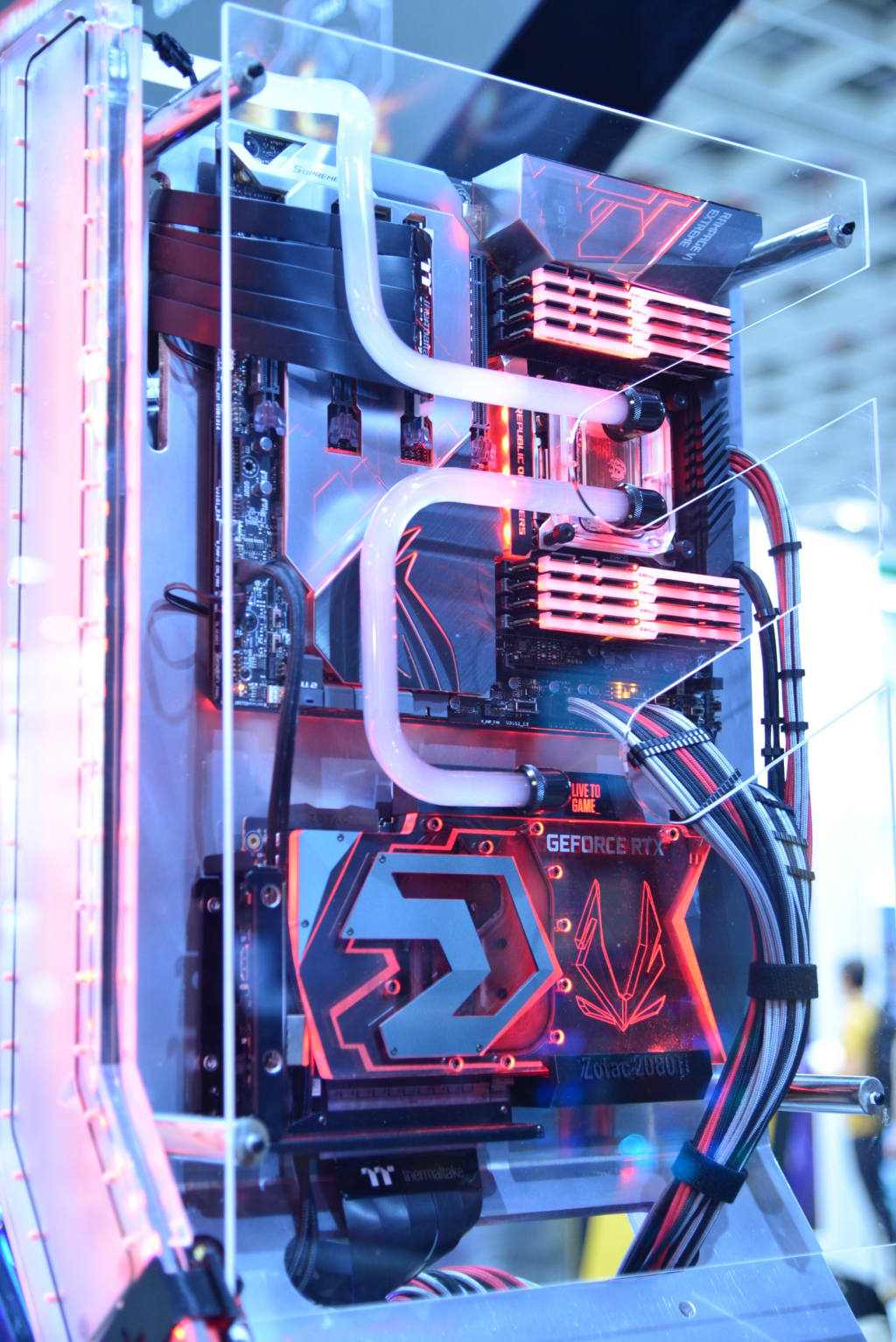
The Future of Computer Technologies: Artificial Intelligence, Cloud Computing, IoT, Blockchain, Quantum Computers, and Holographic Data Storage
Computers have become an integral part of our lives, and the pace of technological advancement in this field is accelerating at an unprecedented rate. In this article, we will explore some of the cutting-edge computer technologies that are shaping the future and will excite readers.
1-) Artificial Intelligence (AI)
AI is the field of computer science that aims to create intelligent machines that can work and learn like humans. AI has already had a significant impact on our lives, and it will continue to shape our future. Self-driving cars, speech recognition systems, and image recognition systems are just a few examples of AI applications that are already in use. In the future, AI will transform industries such as healthcare, finance, and education.
In healthcare, AI will help medical professionals diagnose diseases, monitor patient health, and develop new treatments. AI-powered chatbots will provide patients with personalized healthcare advice, reducing the burden on healthcare providers. AI will also help finance professionals with tasks such as fraud detection, risk analysis, and investment recommendations. In education, AI will help teachers personalize learning for students, track student progress, and develop new teaching methods.
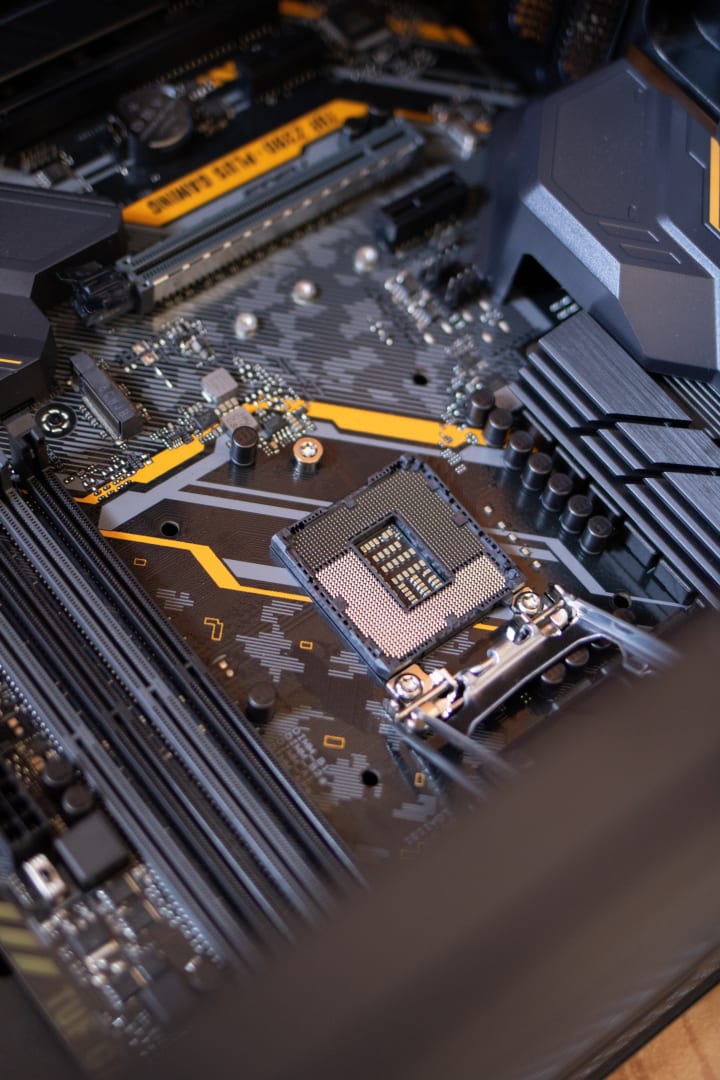
Cloud computing is the delivery of computing services over the internet. It allows users to access computing resources on-demand, without having to invest in expensive hardware or software. Cloud computing has already disrupted many industries, and it will continue to do so in the future. It provides businesses with a scalable and cost-effective way to manage their IT infrastructure.
In the future, cloud computing will become even more powerful and ubiquitous. The rise of edge computing, where processing is done closer to where data is collected, will complement cloud computing. This will allow for faster processing of data, lower latency, and better security. Cloud computing will also enable the development of new technologies such as autonomous vehicles, smart cities, and virtual reality.

The Internet of Things (IoT) refers to the network of physical objects, such as vehicles, appliances, and buildings, that are embedded with sensors, software, and connectivity. IoT is transforming many industries, including healthcare, agriculture, and transportation. In the future, we will see more IoT devices being connected, which will create a more connected and smarter world.
In healthcare, IoT devices will help medical professionals monitor patient health remotely, reducing the need for hospitalization. In agriculture, IoT devices will help farmers monitor soil conditions, weather patterns, and crop growth, enabling them to make data-driven decisions about irrigation, fertilization, and harvest. In transportation, IoT devices will enable the development of autonomous vehicles, making transportation safer and more efficient.

Blockchain is a technology used to record, verify, and secure transactions without the need for a central authority. Bitcoin is the most well-known application of blockchain technology. In the future, blockchain technologies will be used in finance, healthcare, energy, and many other industries. Blockchain technologies will also play a crucial role in data security and privacy.
In finance, blockchain technologies will enable faster and more secure transactions, reducing the need for intermediaries such as banks. In healthcare, blockchain technologies will help medical professionals securely share patient data, enabling better collaboration and diagnosis. In energy, blockchain technologies will enable the development of decentralized energy grids, reducing reliance on traditional energy sources.

Quantum computers are a type of computer that uses quantum-mechanical phenomena, such as superposition and entanglement, to perform computations. Quantum computers can perform calculations much faster than classical computers. Quantum computers have the potential to revolutionize cryptography, data processing, and many other areas. However, quantum computers are still in the early stages of development, and there are many challenges to be overcome before they become widely available.
One of the biggest challenges in developing quantum computers is maintaining the delicate quantum state, which can be disrupted by even the slightest interaction with the environment. Researchers are working on developing error-correction techniques and building more stable and reliable hardware.
In the future, quantum computers will have a wide range of applications. They will be able to solve complex problems that are beyond the capabilities of classical computers, such as simulating chemical reactions, optimizing logistics, and cracking encryption. Quantum computers will also enable the development of new technologies, such as quantum cryptography and quantum communication.

Holographic data storage is a method of storing digital information using holographic techniques. Holographic data storage has the potential to revolutionize data storage, providing higher capacity and faster access than traditional storage methods.
In holographic data storage, a laser beam is split into two beams. One beam is used to encode the data onto a holographic storage medium, while the other beam is used as a reference beam. The holographic storage medium stores the interference pattern between the two beams. To retrieve the data, the reference beam is used to reconstruct the interference pattern, which contains the encoded data.
In the future, holographic data storage will enable the development of new applications, such as ultra-high-definition video and virtual reality. Holographic data storage will also provide a more secure way to store data, as the holographic storage medium is difficult to replicate or hack.

The future of computer technologies is exciting and full of possibilities. AI, cloud computing, IoT, blockchain, quantum computers, and holographic data storage are just a few examples of the cutting-edge technologies that will shape our future. These technologies will transform industries, enable new applications, and provide new solutions to some of the world's most pressing problems. As these technologies continue to evolve, we can expect to see more innovation, more disruption, and more opportunities for growth and progress.
About the Creator
Cuma KENÇ
@cumakenc
Top 10 Cryptocurrency Marketing Tactics for Explosive Token Growth in 2026
The cryptocurrency industry in 2026 has reached a stage where innovation alone is not enough to guarantee success. Every month, hundreds of blockchain projects, DeFi protocols, NFT ecosystems, and token-based platforms enter the market, yet only a few manage to capture significant attention and achieve large-scale adoption. The difference between projects that succeed and those that disappear often lies in the strength of their marketing strategy. Cryptocurrency marketing has evolved far beyond simple social media promotions and community announcements. Today’s blockchain projects operate in a highly competitive digital ecosystem where visibility, trust, and engagement play a critical role in determining long-term success. Investors and users are also becoming more informed, carefully evaluating tokenomics, partnerships, technological capabilities, and community strength before supporting a project.
By Jack santoa day ago in 01
The BAFTA Awards
By now, in a stunning departure from recent years, most of the world is aware of what happened at the BAFTA film awards. Social Media Headlines will tell you the bare bones: that John Davidson, a Tourette's Syndrome advocate, shouted a racial slur at two Actors of Colour, Michael B Jordan and Delroy Lindo.
By Natasja Rose6 days ago in Psyche




Comments
There are no comments for this story
Be the first to respond and start the conversation.