
The Evolution of Human Language: From Grunts to Global Communication
Tracing the Origins: The Remarkable Journey of Human Language

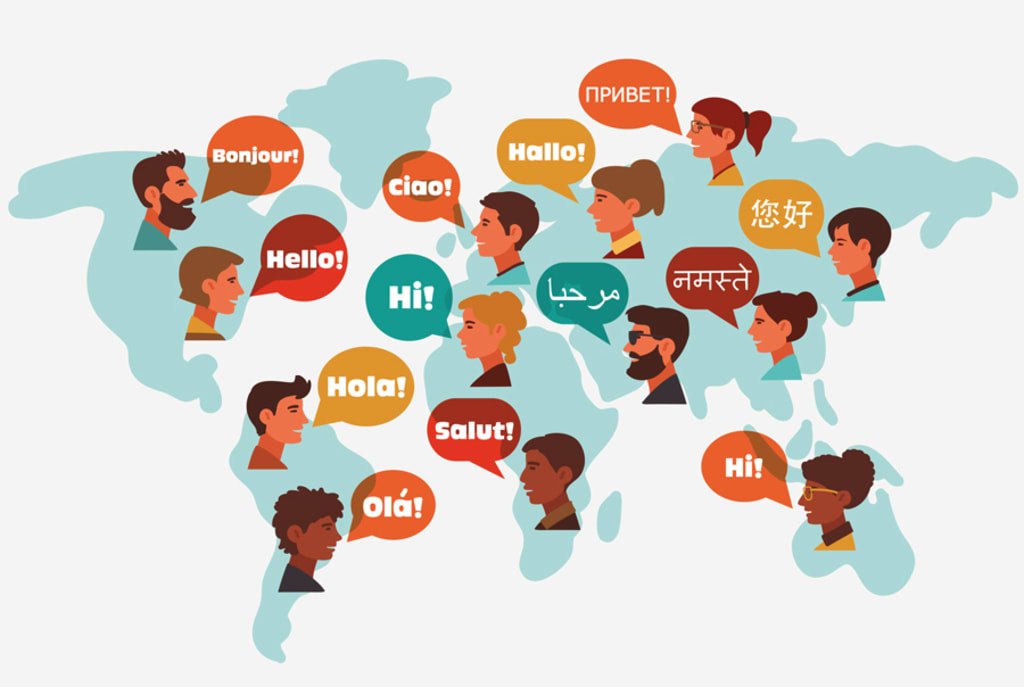
The ability to communicate through language is a remarkable trait that sets humans apart from other species. It allows us to convey complex thoughts, emotions, and ideas. The evolution of human language has been a long and fascinating journey that has taken millions of years. This journey has not only shaped our communication abilities, but also had an impact on our cultural and cognitive development. In this article, we will delve into the origins and development of human language, illuminating the intricate processes that have resulted in the diverse array of languages spoken worldwide today.
The Emergence of Language in Early Humans
The development of human language is closely connected with the development of Homo sapiens. Our ancient predecessors, Homo habilis and Homo erectus, used basic gestures, vocal sounds, and potentially a basic form of language to communicate. Non-verbal communication played a significant role in expressing emotions, alerting others of potential threats, and coordinating group tasks.
It is believed that the development of language was driven by several factors:
a. Increased Brain Size: As our ancestors' brains evolved and increased in size, they developed the cognitive ability to engage in more intricate forms of communication.
b. Tool Use and Cooperation: Effective collaboration in hunting and gathering increased early humans' survival and reproduction rates. Language facilitated planning and coordination.
c. Social Complexity: Language helped early humans navigate the intricate web of social relationships within their communities. It played a vital role in establishing trust, resolving conflicts, and forming alliances.
The Origins of Language: Theories and Debates
The origins of language remain a subject of intense debate among linguists, anthropologists, and cognitive scientists. Several theories attempt to explain how language emerged:
a. The Gestural Theory: According to some researchers, language originated as a combination of hand gestures and facial expressions, with vocal language later developing as a complementary form of communication.
b. The Vocalization Theory: Some argue that language evolved from rhythmic sounds and melodic patterns, which eventually developed into the complex phonological systems of modern languages.
c. The Combination Theory: Language is believed to have evolved through a combination of gestural and vocal communication. Early ancestors used hand gestures and vocalizations to convey meaning.
While these theories offer valuable insights, the exact origins of language remain shrouded in mystery, as the emergence of language left no direct archaeological evidence.
The Development of Syntax and Grammar
Human language is distinguished by its intricate syntax and grammar, which enable the construction of sentences with hierarchical structures comprising subjects, verbs, and objects. The evolution of language is believed to have been significantly influenced by the development of syntax and grammar. It facilitated the expression of abstract concepts, precise information, and more complicated ideas in early humans. Syntax likely emerged gradually as language evolved over generations.
Cultural Transmission and Language Diversity
As humans migrated across the world, they formed separate communities that developed unique languages. This diversity of languages is a testament to the versatility and ingenuity of humanity. Language became a way for people to express their cultural identity, with each language embodying the distinct outlooks, experiences, and customs of its speakers. Moreover, the variety of languages led to the creation of various writing systems, scripts, and alphabets, that further enhanced human communication. Presently, there are more than 7,000 languages spoken globally, each with its own set of rules, vocabulary, and cultural importance.
Writing Systems and Record-Keeping
The development of writing systems marked a significant milestone in the evolution of language. The earliest known writing systems, such as cuneiform in Mesopotamia and hieroglyphics in ancient Egypt, allowed humans to record information, stories, and knowledge for future generations.
Writing not only served as a means of preserving language but also facilitated the spread of ideas and the advancement of civilization. It played a crucial role in the development of literature, science, philosophy, and the transmission of cultural heritage.
Language in the Modern World
In the modern era, human language has reached new heights of complexity and diversity. The digital age has brought about unprecedented changes in how we communicate, with the internet connecting people from different corners of the world.
a. Globalization: The ease of global communication has led to the widespread use of a few dominant languages like English, Spanish, and Mandarin as lingua francas for international business, diplomacy, and academia.
b. Language Preservation: Efforts are underway to document and preserve endangered languages, recognizing the cultural richness and unique perspectives they offer.
c. Machine Translation: AI-driven machine translation tools are bridging language barriers, enabling people to communicate across different languages more easily.
The Future of Language Evolution
As we move forward, the development of human language is still ongoing. Advancements in technology, artificial intelligence, and neuroscience keep revealing more about language acquisition, processing, and evolution.
a. AI and Language: AI-driven natural language processing is expanding the capabilities of language-based technologies, from voice assistants to language translation.
b. Neuroscience: Brain imaging studies are providing insights into the neural mechanisms underlying language processing and learning.
c. Language and Culture: The ongoing interaction between language and culture will continue to shape the evolution of both, fostering linguistic diversity and adaptation.
The development of human language is a remarkable example of our species' resourcefulness and ability to adapt. From basic gestures and sounds to the sophisticated languages used today, language has played a crucial role in our cognitive and cultural progress. It has enabled us to exchange information, form communities, and delve into the intricacies of human expression. As we delve deeper into the mysteries of language evolution, we gain a greater insight into what it means to be human and how our exceptional ability to communicate has impacted our past and will continue to shape our future.
About the Creator
Keep reading
More stories from Smita Bimbra and writers in 01 and other communities.
How Film, TV, and Literature Shape Our Perception of Reality
It's no secret that storytelling through film, TV, and literature can be incredibly powerful. Whether we're transported to magical worlds or confronted with the complexities of our own lives, these mediums have a profound impact on how we see and understand the world. They're not just forms of entertainment; they're reflections of our beliefs, values, and dreams. In this article, we'll dive into how film, TV, and literature shape our understanding of reality, and explore how they can influence our thoughts, actions, and even society.
By Smita Bimbra2 years ago in 01
Generative AI Market Size and Forecast 2025–2033: The Technology Redefining Creativity, Productivity, and Intelligence
Generative AI Market Overview The Generative AI Market is expected to reach US$ 247.11 billion by 2033, expanding rapidly from US$ 16.35 billion in 2024, at a remarkable CAGR of 35.22% from 2025 to 2033. This explosive growth reflects a fundamental shift in how businesses, governments, and consumers interact with technology. No longer limited to analyzing data or predicting outcomes, generative AI systems now create—producing original text, images, videos, music, software code, and even scientific hypotheses.
By Renub Research2 days ago in 01
HubSpot Onboarding Challenges Most Teams Face Without Consulting
I still remember the day our team finally signed off on HubSpot. There was a sense of relief mixed with excitement. We believed the platform itself would fix our scattered CRM data, improve follow ups, and bring calm to our marketing chaos. No one said it out loud, but we all assumed onboarding would be simple.
By Jane Smitha day ago in 01




Comments
There are no comments for this story
Be the first to respond and start the conversation.