


Title: Embracing the Journey: The Evolution of Cars
Introduction:
In today's fast-paced world, cars have become an integral part of our lives, symbolizing freedom, mobility, and progress. Over the years, the automotive industry has experienced an extraordinary transformation, bringing forth innovative technologies and design concepts that have shaped the way we travel. Join me on a journey through time as we explore the captivating evolution of cars, from their humble beginnings to the cutting-edge marvels of the present.
1. The Birth of an Idea:
It all started in the late 19th century when visionary inventors like Karl Benz and Henry Ford laid the foundation for the modern automobile. Benz's invention of the motorwagen in 1886 marked the birth of the first commercially available automobile, revolutionizing transportation forever. Ford, on the other hand, introduced the assembly line concept, making cars more accessible to the masses. These pioneers paved the way for a new era of transportation, setting in motion a series of advancements that would redefine our relationship with cars.
2. The Golden Age of Automobiles:
As the 20th century unfolded, the automotive industry witnessed a remarkable period of growth and innovation. The roaring twenties brought about a sense of glamour and luxury, with iconic vehicles like the Ford Model T and Cadillac V16 capturing the essence of the era. Streamlined designs, powerful engines, and increased comfort became the hallmarks of this golden age of automobiles. Cars were no longer mere transportation devices; they became symbols of status, adventure, and personal expression.
3. The Era of Efficiency and Sustainability:
With the onset of the energy crisis in the 1970s, a new wave of change swept across the automotive landscape. Concerns about fuel consumption and environmental impact gave rise to the development of more fuel-efficient vehicles. Hybrid and electric cars emerged as viable alternatives, offering cleaner and greener transportation solutions. Automotive giants like Toyota led the way with the introduction of the groundbreaking Prius, revolutionizing the industry and setting a precedent for sustainable mobility.
4. Technology Takes the Wheel:
In recent years, we have witnessed an unprecedented convergence of technology and automobiles. The advent of autonomous driving, advanced safety features, and connectivity options has redefined the driving experience. Artificial intelligence and machine learning algorithms power self-driving cars, enhancing road safety and reducing congestion. Electric vehicles have become increasingly popular, with longer ranges and faster charging times, thanks to breakthroughs in battery technology. Moreover, smart infotainment systems and seamless integration with mobile devices have transformed cars into mobile hubs of productivity and entertainment.
5. The Road Ahead:
As we embark on the road ahead, the future of cars holds endless possibilities. With the rise of sustainable energy sources and ongoing efforts to combat climate change, electric vehicles are poised to dominate the market. We can anticipate further advancements in battery technology, enabling longer ranges and shorter charging times. Autonomous driving is likely to become more prevalent, bringing us closer to a future where commuting becomes safer, more efficient, and less stressful.
Conclusion:
From the first motorwagen to the technologically advanced vehicles of today, the evolution of cars has been a testament to human innovation and ingenuity. Cars have transcended their utilitarian purpose, evolving into symbols of freedom, style, and progress. As we embrace the journey of automotive advancements, we must also remain mindful of the challenges ahead. Striking a balance between technological progress and environmental sustainability will be crucial in shaping the future of transportation. So, fasten your seatbelts and get ready for an exciting ride into the future, where the possibilities are as limitless as the open road.
About the Creator
Keep reading
More stories from Shoaib Sohail and writers in 01 and other communities.
Unveiling the Power of Cryptocurrency
Introduction: In the age of digital innovation, cryptocurrencies have emerged as a groundbreaking force, reshaping the global financial landscape. Born out of the desire for a decentralized and secure form of digital currency, cryptocurrencies have captured the world's attention, inspiring both excitement and skepticism. Join me as we embark on a journey to explore the fascinating realm of cryptocurrencies, uncovering their origin, potential, and the transformative impact they are having on the world.
By Shoaib Sohail3 years ago in 01
I phone 18 launch expected date, feature.
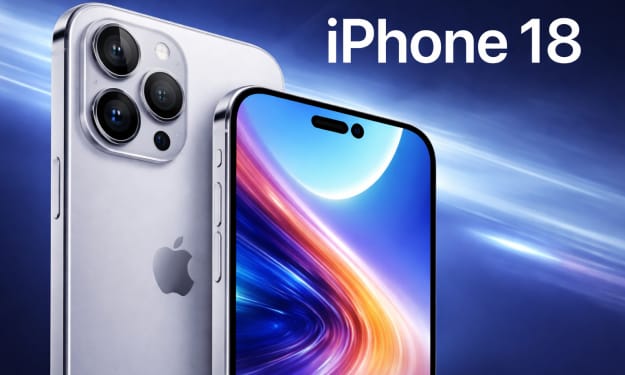
Apple iPhone 18 is expected to represent a bold shift in smartphone design philosophy, combining elegance with engineering excellence. Rumors suggest Apple may introduce a new titanium-glass fusion body, making the device lighter yet significantly stronger than previous models. The edges could become more seamless, removing visible antenna lines and offering a perfectly smooth finish. This design would not only enhance durability but also provide a premium in-hand feel that defines Apple’s craftsmanship. A thinner profile with improved structural integrity may also allow for better heat management and internal space efficiency. Users may notice refined curves, reduced bezels, and an almost borderless front display that maximizes screen immersion. Apple’s continued focus on environmental responsibility could lead to more recycled materials in the construction. Overall, the iPhone 18 design may blend aesthetics, sustainability, and resilience into one beautifully engineered device.
By USA daily update 2 days ago in 01
The Evaluation of Chatbots: From Concept to Real-Life Experience
Chatbots have evolved from simple computer scripts into advanced digital assistants that power millions of conversations daily. From customer service portals and e-commerce platforms to healthcare and education, these intelligent systems have transformed how businesses interact with users. But what does it really mean to evaluate a chatbot—from its concept to its performance in real-world scenarios?
By Tarun Nagar6 days ago in 01
Whiskey At Dusk
Guess the whiskey was more important to you in the end, wasn’t it? It was more than the well-being of your friends; more vital than showing up to the places you promised you would and could come to; more critical of a matter than fulfilling your damn responsibilities and getting the press off your back.
By Snarky Lisa4 days ago in Humans



Comments
There are no comments for this story
Be the first to respond and start the conversation.