
The Dark Side of Visibility – Privacy and Surveillance in the Age of Google.
Exploring the Balance Between Convenience and Privacy in a World of Constant Surveillance

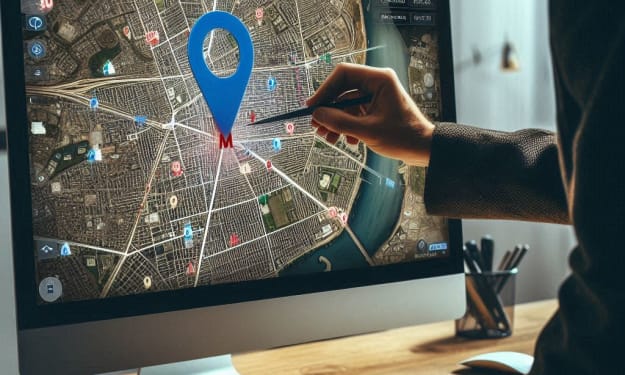
Google Street View, which launched in 2007, has become an integral part of how we navigate the world. It allows anyone with an internet connection to explore far-off places, get a feel for neighborhoods, and even peek into the streets and alleyways of cities around the globe. But beneath the surface of this seemingly innocent tool lies a darker side, particularly when it comes to privacy, data security, and surveillance. While Google’s intentions with Street View were primarily to enhance its mapping services, the unintended consequences of its data collection have raised serious ethical concerns.
Street View has revolutionized how we interact with the world. Whether you're planning a road trip, buying a home, or simply exploring an unfamiliar city, the tool offers an immersive digital experience that brings places to life. It has made navigation easier, improved local business visibility, and even helped locate missing persons. However, it also records details of everyday life that most people would never expect to be captured, including their private actions, faces, and even their license plates.
One of the most disturbing revelations about Google’s Street View came from an investigation that uncovered a vast privacy breach. As Google’s cars roamed the streets collecting panoramic images for its service, they were also inadvertently collecting personal data. These vehicles were not just capturing photos of streets—they were also intercepting private Wi-Fi signals. From 2008 to 2010, Google’s Street View cars collected sensitive data from open Wi-Fi networks, including emails, passwords, search histories, and other personal information. Google initially denied this invasion, claiming it was an unintentional mistake, but the scope of the data collection soon became clear.
The data breach didn’t stop at just Wi-Fi networks. Google’s collection of images also raised privacy concerns. Faces and license plates were captured in great detail, and some users were caught in compromising or vulnerable positions. Over time, this led to increased concerns about surveillance and the implications of having so much personal information stored in a private company’s hands. Though Google implemented blurring technologies to obscure faces and license plates, this didn’t address the larger issue of surveillance, control, and the violation of privacy.
The true extent of Street View’s surveillance power was not widely understood until reports emerged of police using it to solve crimes. The tool, once hailed as a helpful resource for navigating streets, became a tool of surveillance, allowing authorities to track individuals and investigate crimes. In some cases, Google Street View helped solve murders, locate fugitives, and identify criminals based on images captured without their knowledge. While solving crimes is undeniably important, the ethical implications of using a service designed for convenience as a surveillance tool raise troubling questions.
There is also the issue of the relationship between Google and governmental bodies. Google has long been in collaboration with governments, particularly the U.S. federal government, through contracts that give authorities access to vast amounts of data. The line between personal data collection and national security often blurs, raising concerns about the extent to which government agencies, law enforcement, and even private corporations are using data for surveillance.
One of the main ethical dilemmas here is the conflict between personal privacy and the greater good. Google argues that Street View has benefited society by enhancing navigation, offering new ways to engage with locations, and helping solve real-world problems. However, this argument is counterbalanced by the growing concerns of surveillance, data theft, and lack of transparency. The question remains: when does convenience and progress cross the line into invasive monitoring? And more importantly, who controls and oversees that line?
While Google has made efforts to mitigate some privacy concerns through face and license plate blurring, the ongoing debate around surveillance continues. Privacy advocates warn that we are living in a new era of digital surveillance, where our every move, both online and offline, is being recorded, stored, and analyzed. In many ways, this is the price we pay for the convenience and technology we enjoy.
As we continue to rely on services like Google Street View, it’s crucial that we remain aware of the privacy risks and ask hard questions about how much visibility we are comfortable giving to private corporations and governments. In the end, the balance between privacy and visibility will define our future in this digital age.
About the Creator
Keep reading
More stories from Ganiyat Lawal and writers in 01 and other communities.
Solving Crimes Through Google Earth and Street View
In recent years, Google Earth and Google Street View have become invaluable tools for more than just navigation or exploring the world from the comfort of our homes. These technologies have aided in solving numerous crimes by providing investigators with detailed visual evidence of crime scenes, tracking suspects, and even locating missing persons. While the use of these tools for law enforcement purposes may raise concerns about privacy, the cases they’ve helped resolve highlight the significant role that digital technologies play in modern criminal investigations.
By Ganiyat Lawalabout a year ago in 01



Comments
There are no comments for this story
Be the first to respond and start the conversation.