
The Dark Side of Social Media
Exploring the Impact of Online Bullying on Mental Health

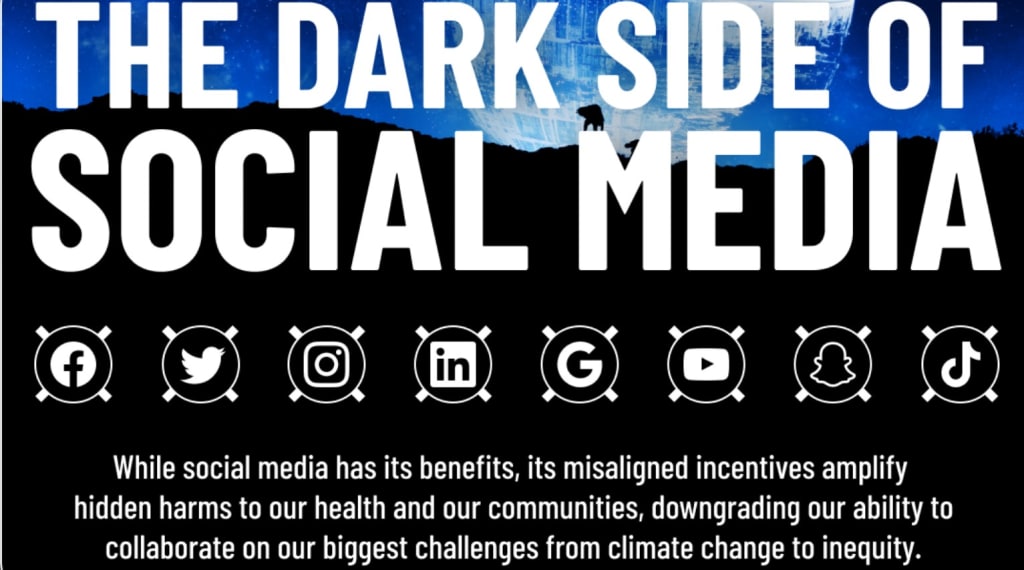
Social media has revolutionized the way we connect and communicate, offering new opportunities for self-expression and community engagement. However, alongside its positive aspects, there exists a dark side that can have detrimental effects on mental health. Online bullying, fueled by anonymity and the vast reach of social media platforms, poses a significant threat to individuals, particularly young people. In this article, we delve into the captivating world of social media and its impact on mental health, specifically exploring the devastating consequences of online bullying. Join us as we shed light on this pressing issue and discuss strategies to address and prevent online bullying.
The Rise of Online Bullying: A Digital Epidemic
Online bullying, also known as cyberbullying, refers to the use of digital platforms to harass, intimidate, or humiliate individuals. With the proliferation of social media, individuals can now be subjected to continuous and relentless attacks that follow them beyond the confines of traditional bullying environments. The anonymity and detachment afforded by online interactions often embolden bullies, leading to more severe and widespread forms of harassment.
Mental Health Implications: The Toll of Cyberbullying
The impact of online bullying on mental health cannot be overstated. Victims of cyberbullying often experience increased levels of anxiety, depression, and low self-esteem. The persistent and public nature of online attacks can lead to feelings of isolation, shame, and social withdrawal. In some cases, cyberbullying has been tragically linked to self-harm and suicidal ideation. The emotional scars left by cyberbullying can have long-lasting effects on an individual's well-being.
The Role of Social Media Platforms: Balancing Connectivity and Responsibility
Social media platforms have become breeding grounds for online bullying, but they also have the power to address and mitigate this issue. Platforms must prioritize the safety and well-being of their users by implementing robust policies and tools to prevent and respond to cyberbullying. This includes mechanisms for reporting, swift action against offenders, and the promotion of positive online behaviors. By creating a safer online environment, social media platforms can foster a sense of community and support rather than facilitating harm.
Empowering Users: Promoting Digital Literacy and Resilience
Empowering individuals to navigate the digital landscape safely is essential in combating online bullying. Digital literacy programs and educational initiatives can provide users, especially young people, with the knowledge and skills to protect themselves and recognize the signs of cyberbullying. Encouraging open conversations about online experiences and providing resources for mental health support can help individuals develop resilience and seek help when needed.
Supportive Communities: Building Solidarity and Intervention
Creating supportive online communities is crucial for combating cyberbullying. Promoting empathy, kindness, and respect within online spaces can help counteract the negative effects of bullying. Peer intervention, where bystanders actively support victims and stand up against cyberbullying, can be a powerful tool in creating a culture of solidarity and accountability. By fostering a sense of collective responsibility, individuals can contribute to a safer and more inclusive digital environment.
Parental and Educator Involvement: Guidance and Communication
Parents and educators play a pivotal role in addressing online bullying and safeguarding the mental health of young people. Open lines of communication between parents, guardians, and children are essential for understanding and addressing potential cyberbullying incidents. Educational institutions can integrate digital citizenship and online safety programs into their curricula to equip students with the skills and knowledge necessary to navigate the digital landscape responsibly.
Online bullying has become an alarming consequence of the digital age, with significant impacts on mental health and well-being. Recognizing the dark side of social media is crucial in addressing the issue head-on. By promoting responsible digital citizenship, fostering supportive communities, and implementing robust policies on social media platforms, we can collectively combat cyberbullying and protect the mental health of individuals. Let us work together to create an online world that cultivates kindness, empathy, and resilience.
About the Creator
Gilbert Mutongoi Ashiku
Like Informative articles on trends and tech? you are at the right place, welcome on board and enjoy my fascinating articles.
Keep reading
More stories from Gilbert Mutongoi Ashiku and writers in 01 and other communities.
The Gender Pay Gap
The gender pay gap remains a persistent issue in workplaces worldwide, highlighting inequalities in compensation between men and women. Despite progress in women's rights and advancements in gender equality, this disparity continues to persist across industries and professions. In this article, we delve into the complex dynamics of the gender pay gap, exploring its causes, implications, and the ongoing efforts to address this systemic issue. Join us as we uncover the challenges and opportunities for achieving fair and equitable compensation in the workplace.
By Gilbert Mutongoi Ashiku3 years ago in 01
How to Choose the Best Mobile Application Development Company in 2026
Choosing the right mobile application development company is no longer just a technical decision—it’s a business-critical one. In 2026, mobile apps sit at the intersection of customer experience, brand credibility, and long-term growth. The wrong partner doesn’t just slow development; it can limit scalability, security, and discoverability across modern search and AI-driven platforms.
By alan michael2 days ago in 01
The Art of Slow Travel: How Staying Longer in One Place Creates Deeper Cultural Connections
In a world driven by packed itineraries and bucket list checklists, slow travel offers a refreshing alternative. Instead of racing from landmark to landmark, slow travel invites you to linger. It is about choosing depth over speed and presence over pressure. By staying longer in one place, travelers create space for genuine cultural connections that short visits rarely allow.
By Devon Alexis2 days ago in 01


Comments
There are no comments for this story
Be the first to respond and start the conversation.