
The Crypto Revolution: A Digital Disruption with Spiritual Implications
How Cryptocurrency is Challenging Traditional Financial Systems and Religious Beliefs

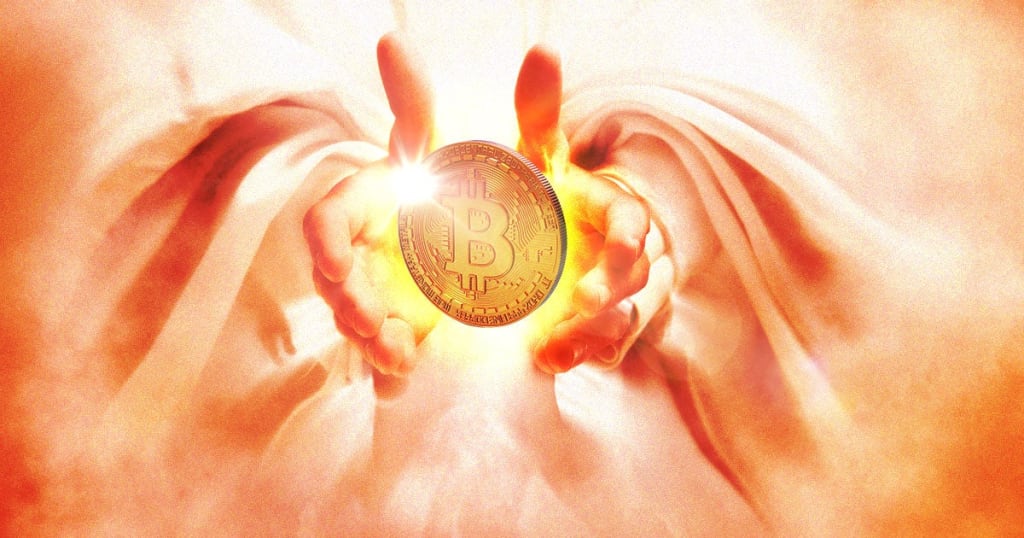
The emergence of cryptocurrency has sent shockwaves through the global financial system, challenging traditional notions of money and wealth. Beyond its economic implications, the rise of cryptocurrency has also sparked discussions about its potential impact on religion. This article explores the origins of cryptocurrency, its disruptive influence on financial systems, and its implications for religious beliefs.
The Birth of Cryptocurrency
Cryptocurrency, a digital or virtual currency that uses cryptography for security and operates independently of a central bank, traces its roots to the 2008 financial crisis. Satoshi Nakamoto, a pseudonym for the person or group who created Bitcoin, the first and most well-known cryptocurrency, envisioned a decentralized digital currency that would be resistant to censorship, inflation, and government intervention.
Bitcoin's underlying technology, blockchain, is a distributed ledger system that records transactions in a secure and transparent manner. This technology has enabled the creation of a vast ecosystem of cryptocurrencies, each with its own unique features and applications.
Disrupting Traditional Finance
Cryptocurrency has disrupted the traditional financial system in several ways. It has challenged the dominance of central banks, which have long controlled the issuance and circulation of money. Additionally, cryptocurrency has provided an alternative to traditional banking systems, offering faster, cheaper, and more secure transactions.
One of the most significant implications of cryptocurrency is its potential to empower individuals and communities that have been excluded from the traditional financial system. In many parts of the world, access to financial services is limited, and people rely on informal and often exploitative financial arrangements. Cryptocurrency can provide a way for these individuals and communities to participate in the global economy and improve their financial well-being.
Religious Implications
While the primary focus of cryptocurrency has been on its economic and technological implications, its rise has also raised questions about its potential impact on religion. Some religious leaders and scholars have expressed concerns about the decentralized and unregulated nature of cryptocurrency, arguing that it could undermine traditional notions of authority and hierarchy.
Others have embraced cryptocurrency as a tool for social and economic justice, arguing that it can empower marginalized communities and promote financial inclusion. Some religious groups have even begun to explore the use of blockchain technology for charitable giving and social impact initiatives.
Ethical Considerations
The rapid growth of cryptocurrency has also raised ethical concerns. The energy consumption associated with mining some cryptocurrencies has been criticized for its environmental impact. Additionally, the anonymity and unregulated nature of cryptocurrency have made it attractive to criminals and illicit activities.
Addressing these ethical concerns requires a balanced approach that recognizes the potential benefits of cryptocurrency while also mitigating its risks. Governments, regulators, and industry leaders must work together to develop appropriate frameworks and standards to ensure the responsible and sustainable development of the cryptocurrency ecosystem.
Cryptocurrency: A New Religion?
The rise of cryptocurrency has sparked a revolution in the financial world, challenging traditional notions of money and wealth. Beyond its economic implications, the emergence of cryptocurrency has also raised questions about its potential spiritual and cultural dimensions. Some have even suggested that cryptocurrency could be a form of religion.
A New Faith?
While it may seem far-fetched, there are parallels between cryptocurrency and traditional religions. Both involve a belief system, a community of followers, and a shared sense of purpose.
- Belief System: Cryptocurrency adherents often express a strong belief in the technology and its potential to transform the world. They may see it as a revolutionary force for good, capable of empowering individuals and promoting economic justice.
- Community: Cryptocurrency communities, such as Bitcoin and Ethereum forums, can be highly active and engaged. Members often share a strong sense of belonging and identity, similar to religious communities.
- Shared Purpose: Many cryptocurrency enthusiasts are driven by a shared desire to create a better financial system. They may see cryptocurrency as a means of achieving financial freedom, economic empowerment, and social change.
Beyond the Economic
While the economic aspects of cryptocurrency are undeniable, there is also a growing recognition of its cultural and spiritual significance. Some individuals may find meaning and purpose in the technology itself, viewing it as a symbol of innovation, progress, and human ingenuity.
Others may see cryptocurrency as a way to challenge traditional power structures and promote a more egalitarian society. In this sense, cryptocurrency can be seen as a form of spiritual rebellion, a rejection of the status quo in favor of a more just and equitable world.
The Future of Cryptocurrency and Religion
As cryptocurrency continues to evolve, it is likely that its relationship with religion will become even more complex. Some may view it as a threat to traditional religious values, while others may see it as a tool for promoting spiritual growth and social justice.
Ultimately, the relationship between cryptocurrency and religion is a matter of personal belief and interpretation. Whether or not cryptocurrency can be considered a religion is a question that each individual must answer for themselves.
Conclusion
The emergence of cryptocurrency represents a significant disruption to the global financial system. While it has the potential to empower individuals and communities, it also raises important questions about its economic, social, and ethical implications. As the cryptocurrency landscape continues to evolve, it is essential to engage in thoughtful and informed discussions about its future and its impact on society.
About the Creator
Kelly Munala Brookes
ɪᴛ'ꜱ ɴᴇᴠᴇʀ ᴡʀᴏɴɢ ᴛᴏ ᴅʀᴇᴀᴍ
▬▬▬▬▬▬▬▬▬▬▬▬▬▬
ɴᴀᴍᴇ: ᴋᴇʟʟʏ ᴍᴜɴᴀʟᴀ ʙгᴏᴏᴋᴇꜱ
ʙɪʀᴛʜᴅᴀʏ: ᴀᴜɢᴜꜱᴛ 10
ɢᴇɴᴅᴇʀ: ᴍᴀʟᴇ
▬▬▬▬▬▬▬▬▬
✎ ᴄᴏɴᴛᴇɴᴛ ᴄʀᴇᴀᴛᴏʀ
✎ ᴡʀɪᴛᴇʀ
✎ ᴘᴏᴘ ᴍᴜꜱɪᴄ ꜱɪɴɢᴇʀ
✎ ᴡᴇʙ ᴅᴇꜱɪɢɴᴇʀ
✎ ᴄʀʏᴘᴛᴏᴄᴜʀʀᴇɴᴄʏ ᴄᴏᴀᴄʜ
✎ ᴍᴇɴᴛᴀʟ ʜᴇᴀʟᴛʜ ᴄᴏᴀᴄʜ
✎ ᴀɴɪᴍᴀᴛᴏʀ
▬▬▬▬▬▬▬▬▬▬▬▬▬▬
Keep reading
More stories from Kelly Munala Brookes and writers in 01 and other communities.
Container House: The Future of Housing?
In recent years, the global housing crisis has become increasingly severe. Rising housing costs, limited land availability, and environmental concerns have led to a search for innovative and sustainable housing solutions. One such solution gaining traction is the container house.
By Kelly Munala Brookesabout a year ago in 01
Why Big Tech Is Rebuilding Walled Gardens Again?
In the early years of the internet, “open” was not just a design principle; it was an ideology. Browsers competed freely. Websites linked to one another without friction. Developers could build and distribute software without negotiating with centralized gatekeepers. The web felt expansive, unpredictable, and difficult to control.
By Mary L. Rodriquez2 days ago in 01
Pearl
1980 something. we all hung out at Pearl and you and i were nothing special, or so i thought. i mean we all danced, drenched in our own sweat, our own saline solution of fear, too many beers, shots, laughter, tears, fucks in the bathroom and i don't know when we began to be afraid. do you?
By ROCK aka Andrea Polla (Simmons)3 days ago in Fiction




Comments (1)
You state a lot of good things about this type of currency, but from a business standpoint or anyone really one must still be very careful.