
The Crucial Role of Ethical AI in Healthcare: A Deep Dive
The Role of Ethical AI in Healthcare

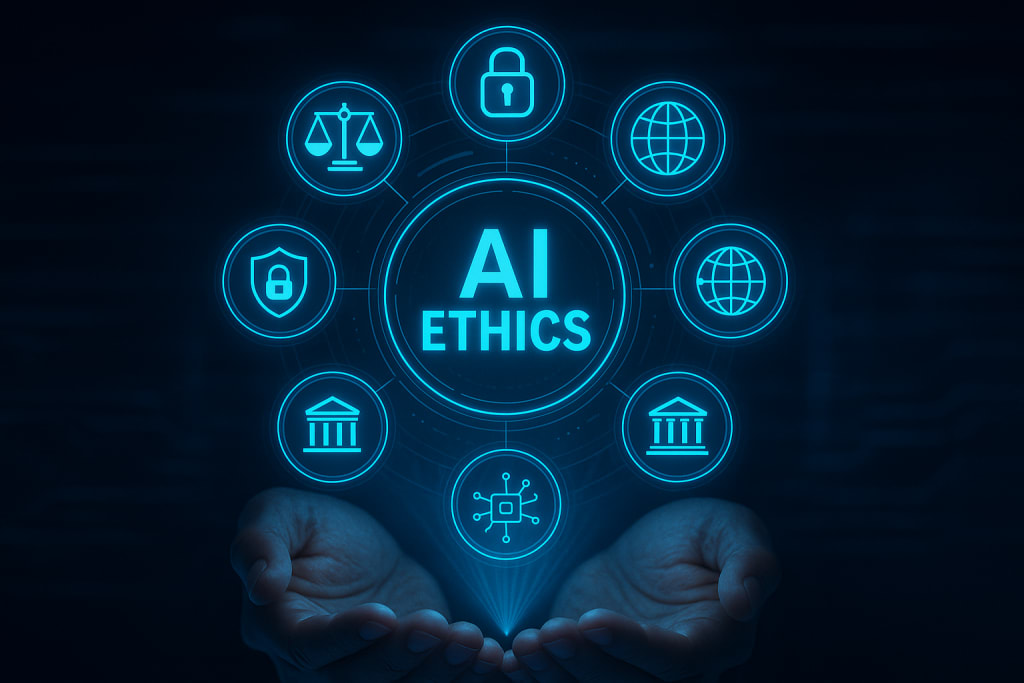
As technology continues to advance at an unprecedented pace, the integration of Artificial Intelligence (AI) in healthcare is transforming the way we diagnose, treat, and manage patient care. However, with these advancements come significant ethical considerations that must be addressed to ensure that AI serves as a tool for equity and improvement rather than a source of bias and inequality. The recent article on the role of ethical AI in healthcare highlights these critical issues and offers insights into how we can navigate this complex landscape.
Understanding AI Bias
One of the most pressing concerns surrounding AI in healthcare is the potential for bias. A notable example occurred in 2019 when an AI system was found to favor white patients over Black patients due to the flawed training data it was built upon. This incident not only raised alarms about the reliability of AI systems but also underscored the systemic risks that can arise when these technologies are not developed with ethical considerations in mind. The implications of such biases can be dire, leading to misdiagnoses, unequal treatment, and exacerbation of existing health disparities.
The Need for Ethical Frameworks
To mitigate the risks associated with AI, it is essential to establish robust ethical frameworks that prioritize fairness, transparency, and accountability. The article emphasizes that without these safeguards, AI can perpetuate inequalities and lead to significant data privacy breaches. In 2023 alone, there was a staggering 192% increase in data breaches, affecting millions of individuals across the United States. This alarming trend highlights the urgent need for healthcare organizations to prioritize ethical AI practices to protect patient data and ensure equitable treatment.
Successful Implementations of Ethical AI
Despite the challenges, there are positive examples of ethical AI in action. The Mayo Clinic, for instance, has successfully implemented explainable AI (XAI) in its radiology department. This approach not only enhances diagnostic accuracy but also fosters trust among healthcare professionals and patients alike. By providing clear insights into how AI systems arrive at their conclusions, the Mayo Clinic demonstrates that ethical AI can lead to better patient outcomes while maintaining transparency.
Building Trust in AI Systems
For AI to be effective in healthcare, it is crucial to build trust among patients and healthcare providers. Trust is foundational to the successful adoption of AI technologies, and a lack of transparency can lead to skepticism and resistance. The article points out that ethical AI practices can enhance patient care and outcomes, while unethical AI can result in misdiagnoses and inefficient resource allocation. By prioritizing ethical considerations, healthcare organizations can position themselves as leaders in innovation and patient care.
Steps Toward Ethical AI Implementation
To ensure the responsible use of AI in healthcare, organizations can take several actionable steps:
- Establish AI Governance: Form an ethics committee with diverse stakeholders to oversee AI decision-making processes. This committee should include representatives from various backgrounds to ensure a comprehensive approach to ethical considerations.
- Ensure Informed Consent: Develop clear consent forms and educate patients about the role of AI in their care. Patients should be fully informed about how their data will be used and the implications of AI in their treatment.
- Mitigate Bias: Utilize diverse datasets for training AI models to ensure equitable treatment across different demographics. This step is crucial in preventing the reinforcement of existing biases in healthcare.
- Strengthen Data Privacy: Implement robust security measures to protect patient data from breaches. Organizations must prioritize data security to maintain patient trust and comply with regulations.
- Prioritize Explainability: Develop AI models that provide clear insights into their decision-making processes. Explainable AI can help demystify the technology and foster trust among users.
Conclusion
The future of AI in healthcare hinges on our ability to implement ethical frameworks that prioritize patient safety and equity. By addressing the challenges associated with AI bias and data privacy, we can harness the full potential of AI to transform healthcare for the better. The insights shared in the article on ethical AI serve as a vital reminder of the responsibility that comes with technological advancement. For a more in-depth exploration of this topic, be sure to read the full article here.
As we move forward, it is essential for all stakeholders in the healthcare industry to engage in discussions about ethical AI practices and work collaboratively to create a more equitable healthcare system for everyone.
About the Creator
Amzur Technologies Inc.
As a trusted IT partner at every stage in the digital transformation lifecycle, Amzur offer technology services ranging from Application & Modernization, Hyperautomation, Cloud Engineering, Quality Engineering, and Oracle NetSuite services.
Keep reading
More stories from Amzur Technologies Inc. and writers in 01 and other communities.
Cracking the Code: How to Overcome AI Implementation Challenges in Healthcare
Artificial Intelligence (AI) has become a powerful force in reshaping the healthcare industry. From faster diagnostics to predictive analytics and personalized care plans, AI tools offer game-changing potential. In 2024, over 42% of global digital health funding was invested in AI-centric healthcare companies. Yet, despite this optimism, most organizations are still struggling to implement AI effectively across their systems.
By Amzur Technologies Inc.9 months ago in 01
What Real Estate Apps in San Diego Get Wrong About Users?
Laura Kim didn’t question whether people liked the app. The numbers were undeniable. Thousands of installs each month. Long browsing sessions. Homes saved and unsaved repeatedly. Map views that stretched late into the night.
By Mike Pichaia day ago in 01
Affection and Healing for Yourself
During the night of the last quarter moon, I gathered my ritual supplies. I carefully handled the chunk of black tourmaline that would protect me from your overall negative and narcissistic energy. I carefully walked the house with my stick of selenite in hand, asking the universe to cleanse our working space.
By Alisha Wilkins ✒️🦋🖋️4 days ago in Fiction


Comments
There are no comments for this story
Be the first to respond and start the conversation.