
The Complete Guide to Snapchat Account Hacking 2026: Understanding Threats and Protection Methods
Understanding Snapchat Hacking: Techniques, Tools, and How to Defend Your Account


The Reality of Snapchat Account Compromises
Snapchat has emerged as one of the most popular social media platforms, particularly among younger demographics. With over 300 million daily active users sharing ephemeral messages, photos, and videos, the security of Snapchat accounts has become a critical concern. This comprehensive guide examines the actual methods used to compromise Snapchat accounts, the tools involved, and most importantly, how to protect your digital presence effectively.
Software and Tools Mentioned in Snapchat Hacking
Important Disclaimer: The following information is for educational purposes only. Using these tools to access accounts without authorization is illegal and violates Snapchat's Terms of Service, with serious legal consequences.
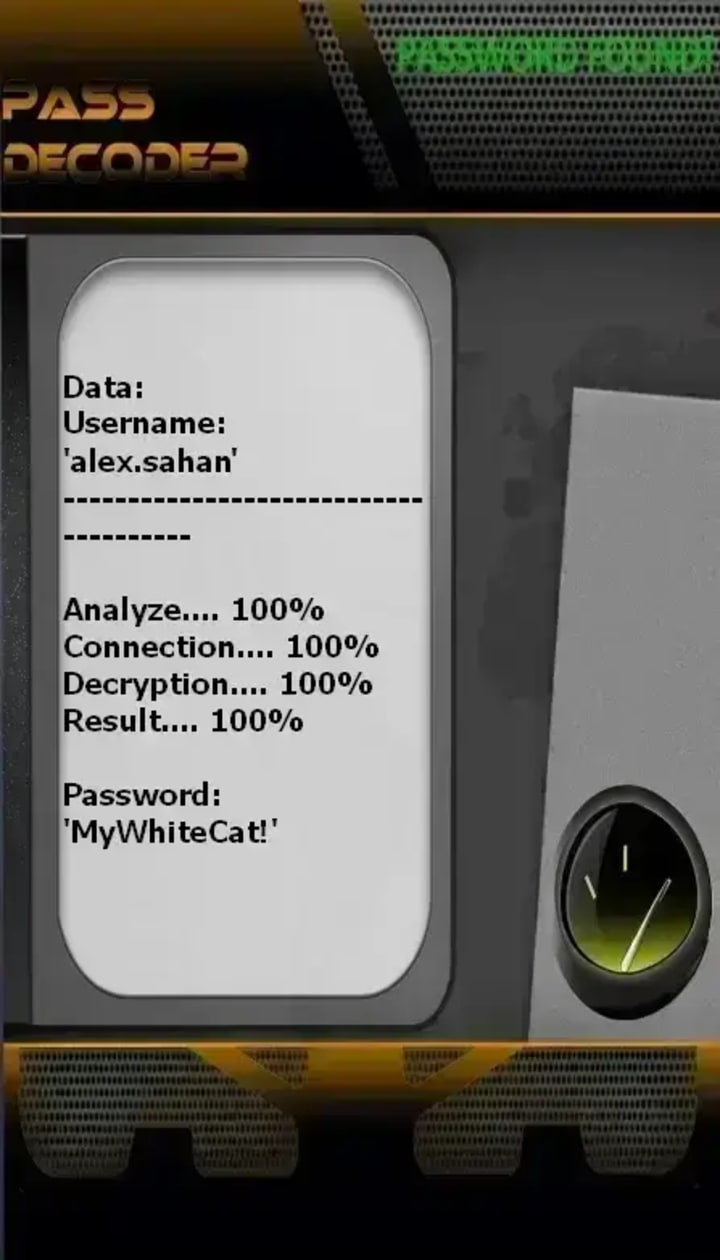
1. PASS DECODER
- What they are: Application to hack Snapchat account
- How they're used: Hack to the Snapchat database to connect the account from an @username, a phone number or an email address.
- Website: https://www.passwordrevelator.net/en/passdecoder
2. Keyloggers
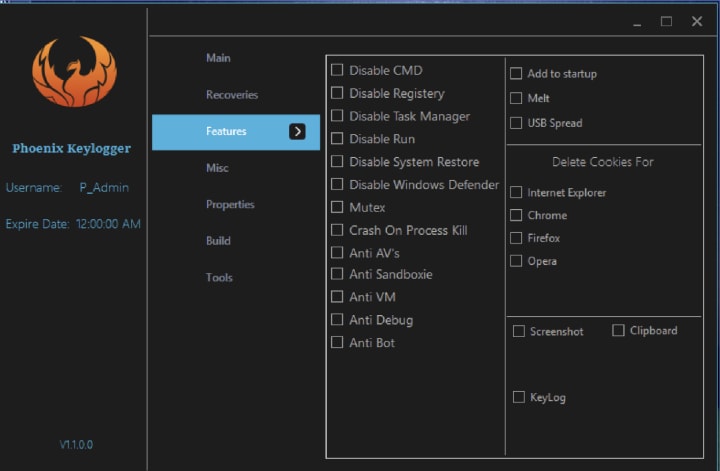
- What they are: Software or hardware that records keystrokes
- Examples: Refog, KidLogger, Spyrix
- How they're used: Capture login credentials as they're typed
- Website: https://www.cybereason.com/blog/research/phoenix-the-tale-of-the-resurrected-alpha-keylogger
3. Brute Force Tools
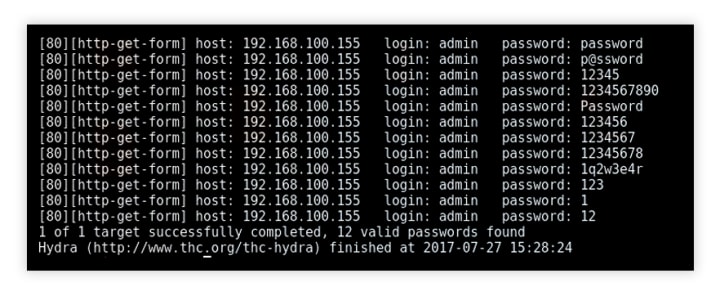
- How they work: Attempt multiple password combinations rapidly
- Limitations: Snapchat's security measures typically lock accounts after multiple failed attempts
- Website: https://github.com/vanhauser-thc/thc-hydra
Methods Used to Compromise Snapchat Accounts
Comprehensive Protection Strategies
1. Enable Two-Factor Authentication (2FA)
Steps to activate:
- Go to your Snapchat Settings
- Select "Two-Factor Authentication"
- Choose between SMS verification or authenticator app
- Save backup codes securely
Why it works: Even if attackers obtain your password, they cannot access your account without the second authentication factor.
2. Create Strong, Unique Passwords
Best practices:
- Use 12+ characters with mixed cases, numbers, and symbols
- Avoid personal information (birthdates, names)
- Consider using a reputable password manager
- Never reuse passwords across platforms
3. Recognize and Avoid Phishing Attempts
Red flags to watch for:
- Urgent or threatening language
- Unofficial sender email addresses
- Suspicious links (hover to preview before clicking)
- Requests for login information via email
4. Maintain Device Security
Essential measures:
- Install reputable antivirus/anti-malware software
- Keep operating systems and applications updated
- Avoid downloading apps from unofficial sources
- Use VPN on public Wi-Fi networks
5. Monitor Account Activity
Regular checks:
- Review active sessions in Snapchat settings
- Check for unrecognized devices
- Enable login notifications
- Regularly review account recovery information
6. Be Cautious with Third-Party Applications
Important precautions:
- Avoid "Snapchat hacking" services (often scams)
- Never share credentials with third-party apps
- Revoke access to unused connected applications
Frequently Asked Questions (FAQ)
Q: Can someone hack my Snapchat with just my username?
A: No, username alone is insufficient. However, combined with other information or security weaknesses, it could contribute to account compromise.
Q: How can I tell if my account has been hacked?
A: Signs include unfamiliar contacts, sent messages you didn't write, changed settings, or login notifications from unknown locations.
Q: Is it legal to use spy software on someone's phone?
A: Only with explicit consent or if you're a parent monitoring a minor child. Otherwise, it violates privacy laws.
Q: How often should I change my Snapchat password?
A: Every 3-6 months, or immediately if you suspect any security breach.
Conclusion: Proactive Protection is Essential
Snapchat account security requires ongoing vigilance and proactive measures. While various methods exist that malicious actors might attempt, understanding these threats empowers users to implement effective protection strategies. By enabling two-factor authentication, using strong unique passwords, recognizing phishing attempts, and maintaining device security, you can significantly reduce your risk of account compromise.
Remember that the most sophisticated hacking methods typically target high-value accounts, while the average user's primary risks come from phishing and password reuse. Stay informed about security updates from Snapchat, and maintain healthy skepticism about unsolicited messages requesting your credentials.
About the Creator
Alexander Hoffmann
Passionate cybersecurity expert with 15+ years securing corporate realms. Ethical hacker, password guardian. Committed to fortifying users' digital safety.
Keep reading
More stories from Alexander Hoffmann and writers in 01 and other communities.
The Complete Guide to Gmail Account Hacking: Threats, Methods, and Ultimate Protection Protocol
Gmail is not just an email service—it's the digital key to your online identity. With 1.8 billion active users, Gmail serves as the authentication hub for banking, social media, cloud storage, and countless other critical services. A compromised Gmail account creates a domino effect, jeopardizing every connected account. This comprehensive guide examines the sophisticated methods attackers use to breach Gmail accounts, the tools involved, and provides an exhaustive protection framework to secure your digital gateway.
By Alexander Hoffmann26 days ago in 01
How to Choose the Best Mobile Application Development Company in 2026
Choosing the right mobile application development company is no longer just a technical decision—it’s a business-critical one. In 2026, mobile apps sit at the intersection of customer experience, brand credibility, and long-term growth. The wrong partner doesn’t just slow development; it can limit scalability, security, and discoverability across modern search and AI-driven platforms.
By alan michael2 days ago in 01
The Art of Slow Travel: How Staying Longer in One Place Creates Deeper Cultural Connections
In a world driven by packed itineraries and bucket list checklists, slow travel offers a refreshing alternative. Instead of racing from landmark to landmark, slow travel invites you to linger. It is about choosing depth over speed and presence over pressure. By staying longer in one place, travelers create space for genuine cultural connections that short visits rarely allow.
By Devon Alexis2 days ago in 01



Comments
There are no comments for this story
Be the first to respond and start the conversation.