
The Cold Truth About Soft Drinks: Unveiling the Pros and Cons
A Deep Dive into the Facts and Psychology Behind Your Favorite Beverages

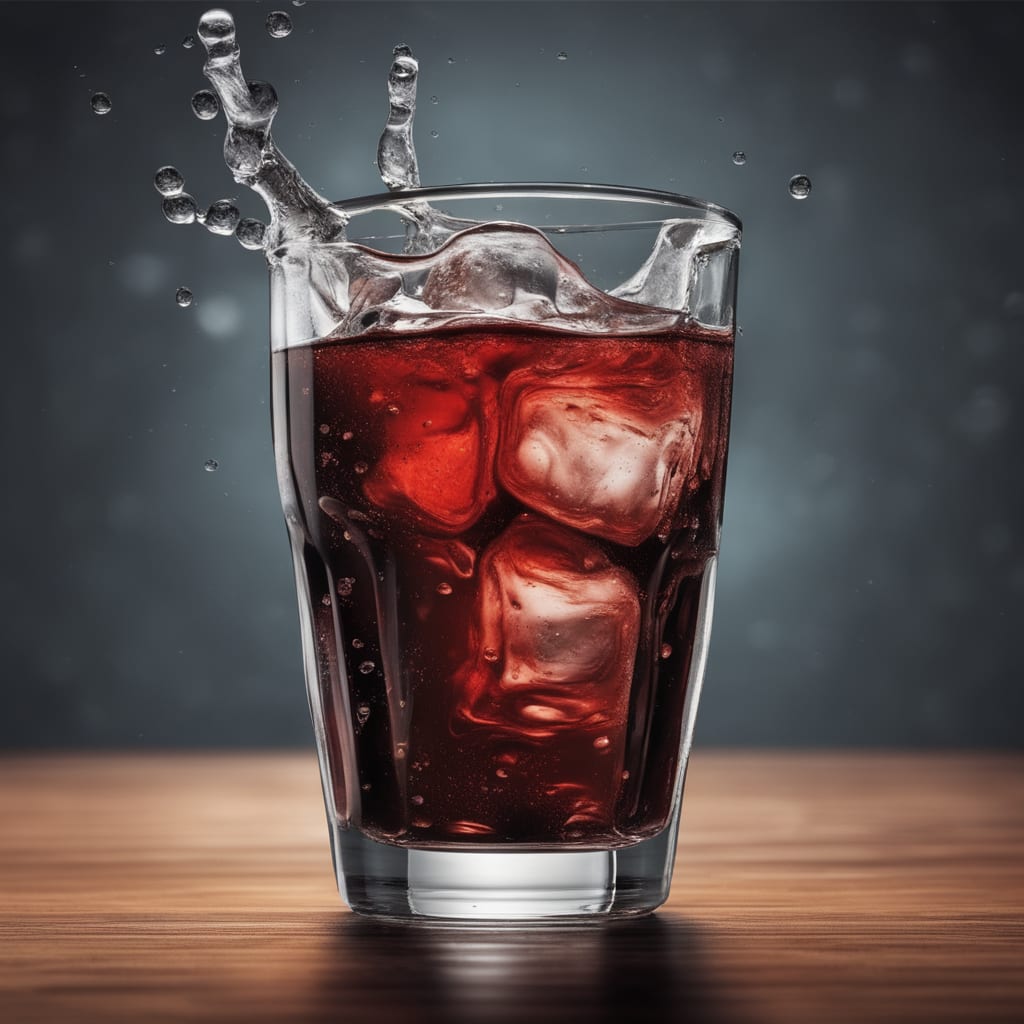
Soft drinks, often referred to as cold drinks, are a ubiquitous part of modern life. These carbonated beverages come in various flavors and are enjoyed by people of all ages. However, beneath the refreshing fizz and sweet taste lies a complex web of pros and cons that affect not only our physical health but also our psychology.
The Pros:
Refreshing Taste: Soft drinks offer a wide range of flavors, from classic cola to fruity concoctions, providing a refreshing and enjoyable taste experience. They are a popular choice on a hot summer day or as a complement to a meal.
Convenience: Cold drinks are readily available in stores, restaurants, and vending machines, making them a convenient option when you're on the go. They require no preparation, making them a quick and easy choice.
Social Enjoyment: Sharing a soft drink with friends or family can enhance social interactions and create moments of togetherness. Soft drinks are often associated with gatherings and celebrations.
Caffeine Boost: Some soft drinks, especially colas, contain caffeine, which can provide a temporary energy boost and increase alertness. This can be helpful for those needing a pick-me-up.
Profitable Industry: The soft drink industry generates substantial revenue and employment opportunities worldwide, contributing to economic growth.
The Cons:
High Sugar Content: One of the most significant drawbacks of soft drinks is their high sugar content. Excessive sugar consumption has been linked to various health issues, including obesity, type 2 diabetes, and dental cavities. The empty calories from sugar can lead to weight gain and long-term health problems[1].
Acidic Nature: Soft drinks are acidic due to carbonation and added acids. This acidity can erode tooth enamel over time, leading to dental problems like tooth decay and sensitivity.
Empty Calories: Soft drinks provide little to no nutritional value but are calorie-dense. Consuming them regularly can lead to overconsumption of empty calories, which can contribute to obesity and related health concerns.
Caffeine Dependency: While caffeine in soft drinks can provide a temporary energy boost, it can also lead to dependency and withdrawal symptoms when consumption is reduced or stopped. This can negatively impact psychological well-being.
Psychological Effects: Soft drinks can have psychological effects, including addiction-like behaviors and cravings. The combination of sugar, caffeine, and flavorings can lead to a cycle of craving and consumption that can be challenging to break[2].
Environmental Impact: The production and disposal of soft drink containers contribute to environmental pollution and waste. Plastic bottles, in particular, are a major environmental concern.
Health Concerns: Long-term consumption of soft drinks has been linked to health problems such as kidney issues and metabolic disorders[1].
The Psychology Behind Soft Drink Consumption:
The psychology of soft drink consumption is multifaceted:
Marketing and Branding: Clever marketing and branding strategies make soft drinks highly appealing, especially to young consumers. Colorful packaging, catchy slogans, and celebrity endorsements can create strong emotional connections.
Reward and Pleasure: Soft drinks trigger pleasure centers in the brain due to their sweet taste. This can lead to the development of reward pathways, where individuals seek out these beverages for emotional comfort.
Social Influence: Peer pressure and societal norms can play a significant role in soft drink consumption. Many social gatherings and events feature soft drinks, further reinforcing their popularity.
Coping Mechanism: Some individuals turn to soft drinks as a coping mechanism for stress or emotional distress. The temporary relief provided by the sugar and caffeine can make it a go-to choice during difficult times.
In conclusion, soft drinks offer a mix of pros and cons. While they provide a refreshing taste, convenience, and social enjoyment, they are also associated with health concerns, psychological effects, and environmental issues. Understanding the facts and psychology behind soft drink consumption empowers individuals to make informed choices about their beverage preferences. Moderation and awareness are key when it comes to enjoying these ubiquitous cold drinks.
About the Creator
Keep reading
More stories from Abrar Khan and writers in 01 and other communities.
"Disappearing Skyline: Disentangling the Privileged insights of the Bermuda Triangle"
The Bermuda Triangle, a domain where reality appears to twist and time itself feels mutilated, has long held humankind hostage with its confounding stories of disappearing boats and airplane. Among the incalculable secrets that cover this dangerous territory, none enrapture the creative mind very like the confounding instance of Flight 19.
By Abrar Khan2 years ago in History
Responsible AI Development Design, Testing, and Governance for Teams
Artificial Intelligence is transforming how enterprises operate — from automation and predictive analytics to intelligent customer experiences. In fact, over 90% of firms use AI in some capacity today, with adoption expanding quickly across departments and workflows.
By Jakob Stanely7 days ago in 01




Comments (1)
I really should cut back on my soda consumption. Thanks for sharing