
The Best Wildlife Spotting Opportunities on the Chadar Trek
Chadar Trek

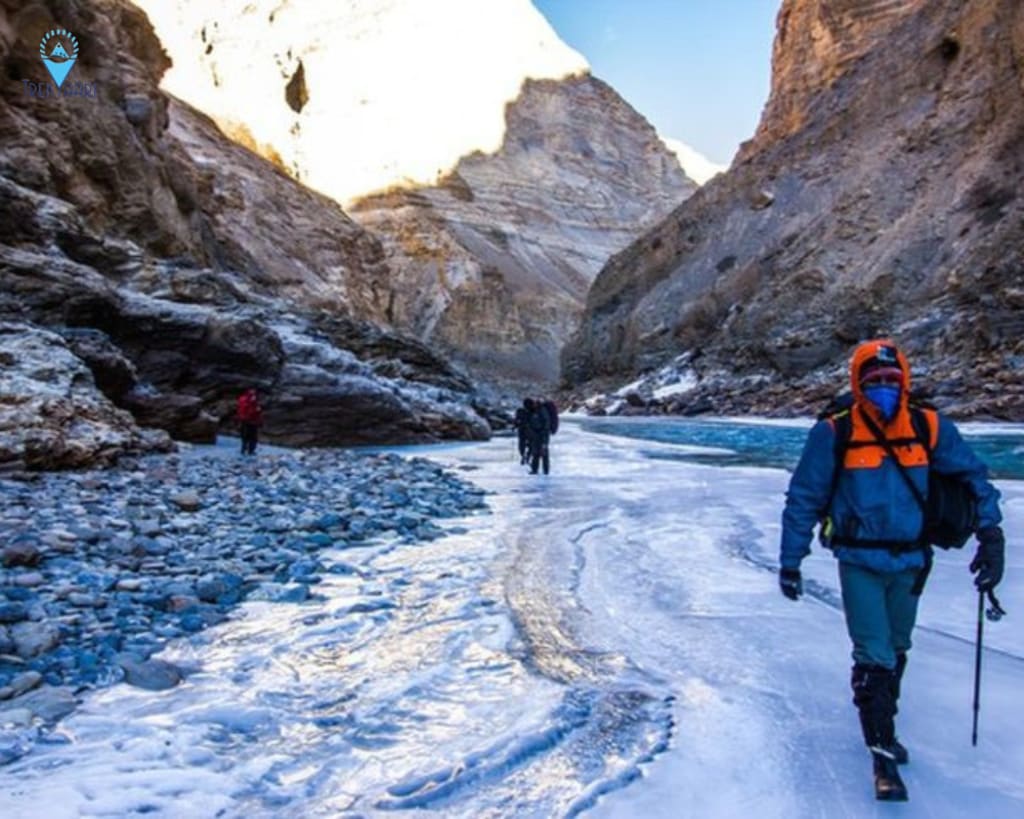
The Chadar Trek is renowned not only for its breathtaking icy landscapes but also for the unique wildlife that inhabits this remote region. Trekking along the frozen Zanskar River offers a rare chance to encounter some of the Himalayan high-altitude fauna in their natural habitat. Here are some of the best wildlife spotting opportunities you can look forward to on the Chadar Trek.
Chadar Trek
Snow Leopard
The elusive snow leopard, often referred to as the "ghost of the mountains," is one of the most sought-after sightings for wildlife enthusiasts on the Chadar Trek. These majestic big cats are adapted to the cold, rugged terrain of the Himalayas and are known for their solitary and elusive nature. While spotting a snow leopard is rare and largely dependent on luck, winter treks like the Chadar provide a higher chance of sighting due to the animal's movement to lower altitudes in search of prey.
Snow leopards are well-camouflaged, blending seamlessly with the rocky, snowy environment. They are apex predators, feeding on a variety of animals including blue sheep, ibex, marmots, and hares. Their thick fur and large paws help them navigate the harsh, cold terrain, making them one of the most fascinating creatures in the Himalayas.
Tips for Spotting:
Keep your eyes peeled on rocky outcrops and ridges.
Early morning and late evening are the best times for sightings.
Look for signs such as tracks or scat, which can indicate their presence.
Bring a good pair of binoculars to scan distant areas.
Himalayan Blue Sheep (Bharal)
Himalayan blue sheep, or Bharal, are commonly seen on the Chadar Trek. These sure-footed herbivores are well-adapted to the steep, rocky slopes of the region. Their blue-grey coat provides excellent camouflage against the mountain terrain, making them harder to spot. However, they are often seen grazing on the slopes near the river.
Blue sheep live in herds and are very agile, capable of navigating the rocky terrain with ease. They are a primary food source for snow leopards, which makes areas with abundant blue sheep populations good places to watch for predators as well.
Tips for Spotting:
Scan the hillsides with binoculars.
Listen to their distinctive bleating sounds.
Look for herds grazing in open areas near the trail.
Eurasian Lynx
The Eurasian lynx is another rare and elusive predator found in the region. These medium-sized wild cats are known for their tufted ears and solitary behavior. While they are less commonly seen than the snow leopard, the Chadar Trek's remote and undisturbed environment provides an ideal habitat for them.
Eurasian lynxes are skilled hunters, preying on a variety of animals including rodents, birds, and small ungulates. Their keen sense of hearing and vision make them formidable predators. Sightings are rare, but encountering a lynx in the wild is an unforgettable experience.
Tips for Spotting:
Focus on less frequented, rocky areas.
Dusk and dawn are prime times for sightings.
Look for their distinctive tracks in the snow.
Woolly Hare
The woolly hare, a high-altitude lagomorph, is adapted to the cold climates of the Himalayas. These hares have thick fur and can be seen hopping around the sparse vegetation near the Zanskar River. They are generally more active during twilight hours, making early mornings and late afternoons the best times to spot them.
Woolly hares are prey for many predators in the region, including birds of prey and carnivorous mammals. Their agility and speed help them escape from these threats. Watching a woolly hare dart across the frozen landscape is a delightful sight for trekkers.
Tips for Spotting:
Search near vegetation patches where they feed.
Move quietly to avoid startling them.
Use binoculars to scan open areas and snow-covered paths.
Himalayan Marmot
Himalayan marmots are large, ground-dwelling rodents that are usually active during the warmer months. However, in the brief period when they are out of hibernation, they can be seen basking in the sun near their burrows. These marmots live in colonies and are known for their loud, distinctive whistling sounds that they use to communicate.
They are often seen in the lower altitudes of the Chadar Trek where the vegetation is more abundant. Marmots are herbivores, feeding on a variety of grasses, herbs, and roots. Spotting these creatures provides a fascinating glimpse into the social dynamics and behaviors of high-altitude wildlife.
Tips for Spotting:
Look for burrows and mounds in open meadows.
Marmots are often seen in groups, making them easier to spot.
They are most active during the warmer parts of the day.
Golden Eagle
The golden eagle is one of the most magnificent birds of prey you can encounter on the Chadar Trek. These large raptors are often seen soaring high above the valleys, scanning the ground for potential prey. With their impressive wingspan and keen eyesight, golden eagles are formidable hunters, capable of spotting and capturing prey from great heights.
Golden eagles are a symbol of power and grace in many cultures. Their presence in the sky adds a majestic touch to the already breathtaking scenery of the Chadar Trek. Watching a golden eagle soar against the backdrop of the Himalayas is an unforgettable experience.
Tips for Spotting:
Keep an eye on the sky, especially during midday when they are most active.
Look for them perched on high crags or cliffs.
A good pair of binoculars will enhance your chances of spotting these majestic birds.
Lammergeier (Bearded Vulture)
The lammergeier, or bearded vulture, is another fascinating bird often seen in the region. Known for their distinctive appearance and unique feeding habits, these vultures are specialized bone-eaters. They drop bones from great heights to crack them open and access the marrow inside.
Tips for Spotting:
Look for them flying at high altitudes or near carcasses.
Their unique flight pattern and large size make them identifiable from a distance.
Early morning and late afternoon are the best times for sightings.
Red Fox
The red fox is a common sight in the Himalayan regions and can often be spotted on the Chadar Trek. These adaptable animals are known for their reddish-brown fur and bushy tails. They are primarily nocturnal but can sometimes be seen during the day, especially in remote areas.
Tips for Spotting:
Look for them near streams or open fields.
Early morning and late evening are prime times for sightings.
Listen to their distinctive barking sounds.
Tibetan Wolf
The Tibetan wolf is one of the apex predators in the region. These wolves are larger and more robust than their lower-altitude counterparts. They are generally more active at night, making daytime sightings rare but not impossible.
Tips for Spotting:
Focus on open areas and high-altitude meadows.
Dawn and dusk are the best times for potential sightings.
Look for tracks and other signs of their presence.
Ibex
The Himalayan ibex, with its impressive curved horns, is a sight to behold. These agile climbers inhabit the rugged terrains of the Zanskar region and are well adapted to the cliffs and rocky outcrops.
Tips for Spotting:
Look for them on steep, rocky slopes.
Early morning and late afternoon are ideal times for sightings.
Their horns and distinctive profile make them easier to identify from a distance.
Conclusion
The Chadar Trek offers a unique opportunity to witness some of the Himalayas' most elusive and majestic wildlife. From the elusive snow leopard to the soaring golden eagle, the trek provides an unparalleled experience for nature lovers and wildlife enthusiasts. By keeping a keen eye and respecting the natural habitat, trekkers can enjoy the incredible biodiversity that the frozen Zanskar River has to offer. Whether you are a seasoned trekker or a first-time adventurer, the chance to encounter these magnificent creatures in their natural environment is an experience that will stay with you long after the trek is over.
About the Creator
Trekyaari
Trekyaari is the best trekking company in India offering comprehensive trekking, adventure, holiday tours, and expedition services. Explore the best of India's nature and culture with us!
My Grandmother Survived Hiroshima...
My grandmother Keiko lived in suburban California for sixty years without ever mentioning that she had been in Hiroshima on the morning the atomic bomb fell, and only when she was dying at ninety-two did she finally tell me what she witnessed that day and why she had kept silent for so long....
By The Curious Writera day ago in 01
App Development Cost and Timeline: St. Louis 2026
Estimating the App Development Cost and Timeline: St. Louis 2026 requires deep research. It requires more than just a surface-level quote. You must understand the Midwest’s evolving tech ecosystem. St. Louis-based founders face a unique "sweet spot" in 2026. You are operating in a major technical hub. It combines the technical rigor of coastal standards. It also offers the fiscal advantages of a regional talent pool.
By Del Rosario5 days ago in 01


Comments (1)
Hey, just wanna let you know that this is more suitable to be posted in the Wander community 😊