
Top 10 Things You Didn’t Know About the Roopkund Trek
Roopkund Trek


The Roopkund Trek is one of the most captivating adventures in the Himalayas, drawing trekkers from around the world. While many are familiar with its stunning scenery and the eerie presence of ancient skeletons at Roopkund Lake, numerous lesser-known aspects of this trek add to its allure. In this article, we will delve into the top 10 things you didn’t know about the Roopkund Trek, including fascinating historical tidbits, cultural insights, and practical information to enhance your trekking experience.
1. The Mysterious Skeletons: A Window to the Past
One of the most intriguing aspects of the Roopkund Trek is the presence of human skeletal remains scattered around Roopkund Lake. Discovered in 1942, these remains have puzzled researchers and adventurers alike. Initially thought to be the remains of Japanese soldiers from World War II, further investigations revealed that the skeletons dated back to the 9th century.
The mystery deepened with the discovery that the skeletons belonged to two distinct groups: one with taller individuals and another with shorter, more robust individuals. Studies suggest that these people might have been pilgrims who died in a catastrophic hailstorm, evidenced by the deep skull fractures consistent with hailstone impacts. Despite these findings, the exact reasons for their presence at such a high altitude remain a subject of speculation and intrigue.
2. Best Time for Roopkund Trek: Timing is Everything
The best time for Roopkund Trek is during the pre-monsoon (May to June) and post-monsoon (September to October) seasons. During these periods, the weather is relatively stable, and the meadows are in full bloom, offering trekkers a vibrant and picturesque landscape.
In the pre-monsoon season, the melting snow reveals the lush greenery of the meadows, while in the post-monsoon season, the clear skies provide stunning views of the surrounding peaks. These months also offer a more comfortable trekking experience, with moderate temperatures and fewer chances of heavy rainfall or snowfall that can make the trails treacherous.
3. Unique Flora and Fauna: A Biodiversity Haven
The Roopkund Trek is a paradise for nature enthusiasts, boasting a rich biodiversity that adds another layer of wonder to the journey. The trek traverses through alpine meadows known as Bugyals, which are home to rare Himalayan flora such as the Brahma Kamal, an exotic flower that blooms at high altitudes.
In addition to the diverse plant life, the trek offers opportunities for birdwatching, with several species of birds endemic to the region. The varied ecosystems, from dense forests of oak and rhododendron to high-altitude meadows and rocky outcrops, support a wide range of wildlife. Trekkers might spot animals like the Himalayan tahr, snow leopard, and various species of deer, adding an element of wildlife adventure to the trek.
4. The Changing Landscape: Nature’s Kaleidoscope
One of the most captivating aspects of the Roopkund Trek is the dramatic change in landscape. The trek begins in lush forests of oak and rhododendron, where the air is filled with the scent of pine and the sounds of birds chirping. As trekkers ascend, they transition to expansive alpine meadows like Ali Bugyal and Bedni Bugyal, where the rolling green landscapes stretch as far as the eye can see, dotted with colorful wildflowers.
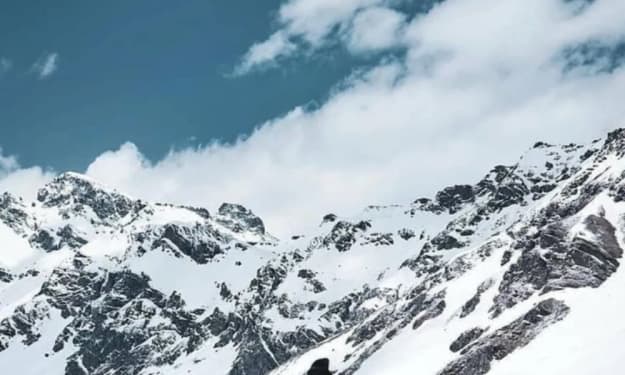
Further up, the scenery changes once again to rugged, rocky terrain and snow-clad peaks. The stark, icy landscape near Roopkund Lake, set against the backdrop of towering Himalayan peaks, offers a surreal and breathtaking view. This constant shift in scenery keeps the trek visually stimulating and highlights the diverse natural beauty of the region.
5. The Spiritual Connection: A Sacred Journey
The Roopkund Trek is not just an adventure; it holds deep spiritual significance for many. The Nanda Devi Raj Jat Yatra, a pilgrimage that occurs every 12 years, follows a similar route to Roopkund. Thousands of devotees undertake this arduous journey to honor the goddess Nanda Devi, reflecting the trek’s spiritual dimension.
Throughout the trek, trekkers encounter various temples and shrines dedicated to local deities. These sites are not only places of worship but also offer historical and cultural insights into the region's spiritual heritage. The blend of adventure and spirituality adds a profound layer to the trekking experience, making it a journey of both physical and inner exploration.
6. The Roopkund Trek Distance: A Manageable Challenge
The Roopkund Trek distance is approximately 53 kilometers, starting from the village of Lohajung and culminating at Roopkund Lake. While the distance might seem manageable, the trek involves significant elevation gains, varying altitudes, and challenging terrains that test even experienced trekkers.
Covering this distance typically takes six to seven days, allowing for a gradual ascent that helps with acclimatization. The trek's moderate difficulty level makes it accessible to a wide range of adventurers, from enthusiastic beginners to seasoned trekkers looking for a unique challenge.
7. Legends of the Yeti: Mystical Tales from the Mountains
Adding to the allure of the Roopkund Trek are the numerous tales of Yeti sightings. Known locally as the 'Abominable Snowman,' the Yeti is a mythical creature said to inhabit the high mountains of Asia. Locals and some trekkers claim to have seen mysterious footprints in the snow, attributed to this legendary beast.
While there's no scientific evidence to support these claims, the stories of the Yeti add an element of mystery and excitement to the trek. These tales passed down through generations, are a part of the rich folklore that makes the Himalayas such a fascinating destination.
8. Hidden Villages: The Heartbeat of the Himalayas
While the primary route of the Roopkund Trek includes popular stops like Lohajung and Bhagwabasa, several hidden villages along the way offer a glimpse into the traditional Himalayan lifestyle. These villages, such as Wan and Didna, are not just scenic stopovers but are also cultural hubs where trekkers can interact with the local Bhotiya community.
The Bhotiya people have a rich cultural heritage, with unique customs, traditional attire, and local cuisine that reflect their close-knit community and connection to the land. Spending time in these villages allows trekkers to experience the warmth and hospitality of the locals, gaining insights into their way of life and the challenges they face in these remote areas.
9. Geological Significance: A Glacial Marvel
Roopkund Lake itself is a geological wonder. As a high-altitude glacial lake, it remains frozen for most of the year, and it is only during the summer months that the ice melts, revealing the skeletal remains and other artifacts preserved in the ice. This natural phenomenon provides a unique opportunity for scientific study and adds to the lake’s mystique.
The glacial environment around Roopkund Lake also influences the trek, with trekkers encountering various glacial features such as moraines and ice fields. Understanding the geological processes that shaped this landscape enhances the appreciation of the trek’s natural beauty and complexity.
10. The Influence of Folklore: Stories of the Mountains
Local folklore adds a rich layer of cultural history to the Roopkund Trek. According to legend, the skeletons at Roopkund Lake are the remains of a royal pilgrimage led by King Jasdhaval of Kannauj, who defied the goddess Nanda Devi by bringing dancers and musicians into her sacred territory. Enraged by this disrespect, the goddess unleashed a violent hailstorm that killed the entire entourage.
These stories, passed down through generations, are an integral part of the trekking experience. They provide insight into the local beliefs and traditions, adding a narrative element that transforms the trek from a physical journey into a cultural exploration.
Conclusion
The Roopkund Trek is more than just a physical challenge; it is a journey through time, nature, and culture. The trek's historical significance, combined with its breathtaking scenery and cultural encounters, makes it a must-do adventure for anyone seeking an unforgettable experience in the Himalayas. From the mysterious skeletons to the rich biodiversity and spiritual connections, the Roopkund Trek offers a multifaceted experience that is both enriching and unforgettable. Whether you're drawn by the mystery of the skeletons or the sheer beauty of the landscape, Roopkund promises an adventure that will stay with you long after you've left the mountains behind.
About the Creator
Trekyaari
Trekyaari is the best trekking company in India offering comprehensive trekking, adventure, holiday tours, and expedition services. Explore the best of India's nature and culture with us!
How a Local Exterminator Handles Rodent Infestations: Complete Rodent Control Guide
Rodent infestations are a common problem in both homes and businesses. Mice and rats can enter buildings through very small openings, contaminate food, damage property, and spread harmful diseases. Because rodents reproduce quickly, even a small problem can grow into a serious infestation in a short time. This is why professional rodent control is essential for protecting your property and health.
By Jamal Moorea day ago in 01
Why Specialized Pediatric EMR Systems Are Becoming Essential
Digital health technology is transforming healthcare systems worldwide, but pediatric care presents a unique set of challenges. From growth tracking and vaccination schedules to age-specific medication dosing, pediatricians need tools that are designed specifically for children rather than adapted from adult healthcare systems. As healthcare providers increasingly adopt digital solutions, specialized systems are becoming essential for efficient pediatric care.
By Steve Waugh2 days ago in 01



Comments (1)
Hey, just wanna let you know that this is more suitable to be posted in the Wander community 😊