
The Best pH Test Strips: Finding the Perfect Match for Your Needs
pH testing is an essential process in various industries, including agriculture, food, and pharmaceuticals

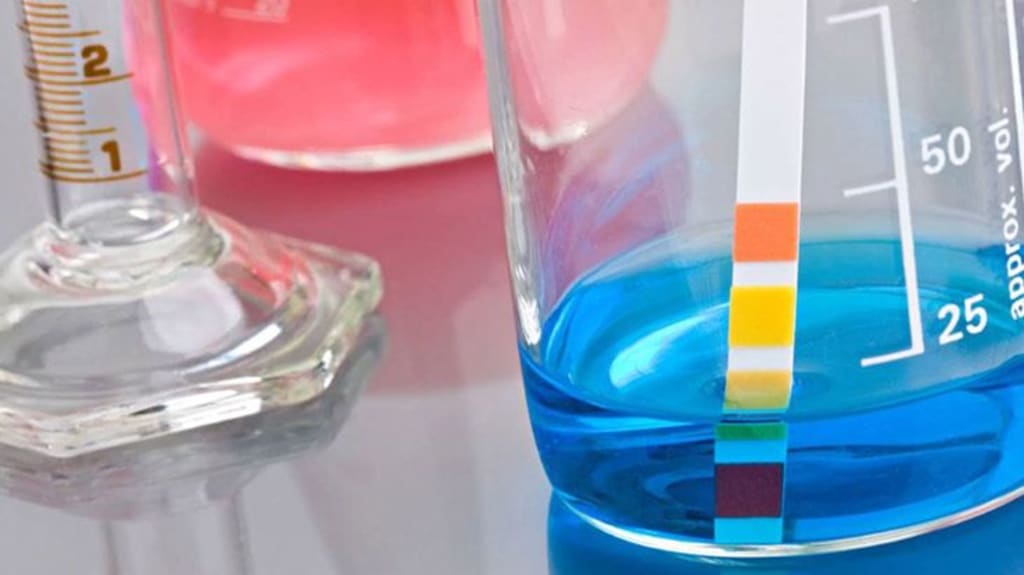
pH testing is an essential process in various industries, including agriculture, food, and pharmaceuticals. Whether you're testing the pH level of soil, water, or other substances, accuracy is crucial. This is where pH test strips come into play.
With so many options available in the market, finding the best pH test strips for your specific needs can be challenging.
Best pH Test Strips: Factors to Consider
When it comes to pH test strips, there are several factors to consider to ensure accurate results. Here are some of the most important factors to keep in mind:
pH Range: Different pH test strips have different pH ranges, and it's important to choose one that matches your needs. For instance, if you're testing the pH level of soil, you'll need a pH test strip that has a range of 4.5-8.5. On the other hand, if you're testing the pH level of pool water, you'll need a pH test strip with a range of 6.8-8.2.
Accuracy: The accuracy of pH test strips can vary from one brand to another. It's important to choose a pH test strip that provides accurate results consistently.
Ease of Use: pH test strips should be easy to use, especially if you're testing the pH level of multiple samples. Look for pH test strips that come with clear instructions and are easy to read.
Cost: pH test strips can vary in price, and it's important to choose one that fits your budget without compromising on quality.
Shelf Life: pH test strips have a limited shelf life, and it's important to choose one that has a long shelf life to avoid wastage.
Based on these factors, we've reviewed some of the best pH test strips available in the market:
Plastic pH Test Strips by LabRat Supplies - Best Versatile
pH Test Strips by Haimai LLC - Best Value
pH Test Strips by Just Fitter - Best for Health
Garden Tutor Soil pH Test Kit - Best for Soil
VARIFY Premium Drinking Water Test Kit - Best for Drinking Water
FAQS
How do pH test strips work?
pH test strips work by changing color in response to the acidity or alkalinity of a substance. The strips are coated with a chemical indicator that changes color based on the pH level of the substance being tested.
What are some common applications of pH test strips?
pH test strips are commonly used in agriculture to test soil pH, in pools to test water pH, and in laboratories to test the pH level of various substances.
How do I use pH test strips?
To use pH test strips, simply dip the strip into the substance being tested for a few seconds and then compare the color of the strip to the color chart provided with the test strips. The color chart will indicate the pH level of the substance.
How to pH test using pH test strips:
To conduct a pH test using pH test strips, follow these steps:
Obtain pH test strips: Purchase pH test strips from a local pharmacy, health store, or online retailer. Make sure to choose strips that cover the pH range you require.
Gather the materials: Apart from the pH test strips, you'll need a clean container, such as a glass or a plastic cup, and the liquid or substance you want to test.
Prepare the sample: If you're testing a liquid, pour a small amount into the container. If you're testing a solid or semi-solid substance, dissolve it in distilled water and stir to create a solution.
Dip the test strip: Take one pH test strip and dip it into the sample. Ensure that the test pad, usually located at one end of the strip, is fully submerged in the liquid. Leave it in the sample for a few seconds to allow the test pad to react.
Remove excess liquid: After the designated time, carefully remove the pH test strip from the sample. Gently shake off any excess liquid without wiping or touching the test pad. Excessive moisture can affect the accuracy of the results.
Wait for color change: Hold the strip horizontally and allow it to develop. The test pad will undergo a color change based on the pH level of the sample. This process usually takes about 15 to 30 seconds, but refer to the instructions provided with the test strips for the specific waiting time.
Compare the colors: Once the color change has occurred, compare the test pad to the color chart provided with the pH test strips. The color chart displays a range of colors with corresponding pH values. Find the closest match between the color on the test pad and the colors on the chart.
Determine the pH level: Based on the closest color match, determine the pH level of your sample. The pH scale ranges from 0 to 14, with 7 being neutral. pH values below 7 indicate acidity, while values above 7 indicate alkalinity. The lower or higher the pH value, the stronger the acidity or alkalinity, respectively.
Repeat the test: For accuracy and reliability, it is recommended to repeat the pH test with multiple strips and take an average of the results. This helps minimize any potential errors or inconsistencies.
Record the pH level: Once you have determined the pH level of your sample, record it for future reference or analysis. Keep track of the date, time, and any other relevant information.
Dispose of the used strip: Safely dispose of the used pH test strip according to local waste disposal guidelines.
Remember, while pH test strips provide a convenient and affordable way to approximate pH levels, they may not provide the same precision as a digital pH meter or professional laboratory analysis. If precise measurements or critical decisions are required, it is advisable to seek the assistance of a qualified professional or use more accurate testing equipment.
CONCLUSION
Choosing the best pH test strips for your specific needs can be challenging, but it's an essential process to ensure accurate results. When selecting pH test strips, consider factors such as pH range, accuracy, ease of use, cost, and shelf life. By following our guide and selecting the right pH test strips, you can ensure accurate results every time.
About the Creator
Guess Best
Welcome to GuessBest. Have a nice day. Visit us : https://guessbest.com/
Keep reading
More stories from writers in 01 and other communities.
Best Lenovo Laptops 2026
Lenovo continues to dominate the laptop market in 2026 with powerful innovations, premium designs, and exceptional value across all segments. Whether we need a professional business machine, a high-performance gaming laptop, or an affordable everyday device, Lenovo delivers unmatched reliability and cutting-edge technology. In this comprehensive guide, we explore the best Lenovo laptops of 2026, highlighting their features, performance, and ideal use cases.
By Edward Smith5 days ago in 01
The Air-Purifying Powerhouse List: NASA-Studied Plants AI Recommends for Your Bedroom
We spend about a third of our lives in our bedrooms, making it the most personal space in our homes. Yet, the air in this sanctuary can hold unseen guests: volatile organic compounds (VOCs) like formaldehyde from furniture or benzene from cleaning products. For decades, a popular solution has been to bring in greenery, championed by a famous NASA study from the 1980s. But how effective are these plants really, and which ones are truly the best allies for your sleep space?
By Emma Wallace4 days ago in 01



Comments
There are no comments for this story
Be the first to respond and start the conversation.