
The Benefits of Third-Party API Integration
In this article, we’ll explore what third-party API integration is, its benefits, and how it can empower businesses to create superior products and services.

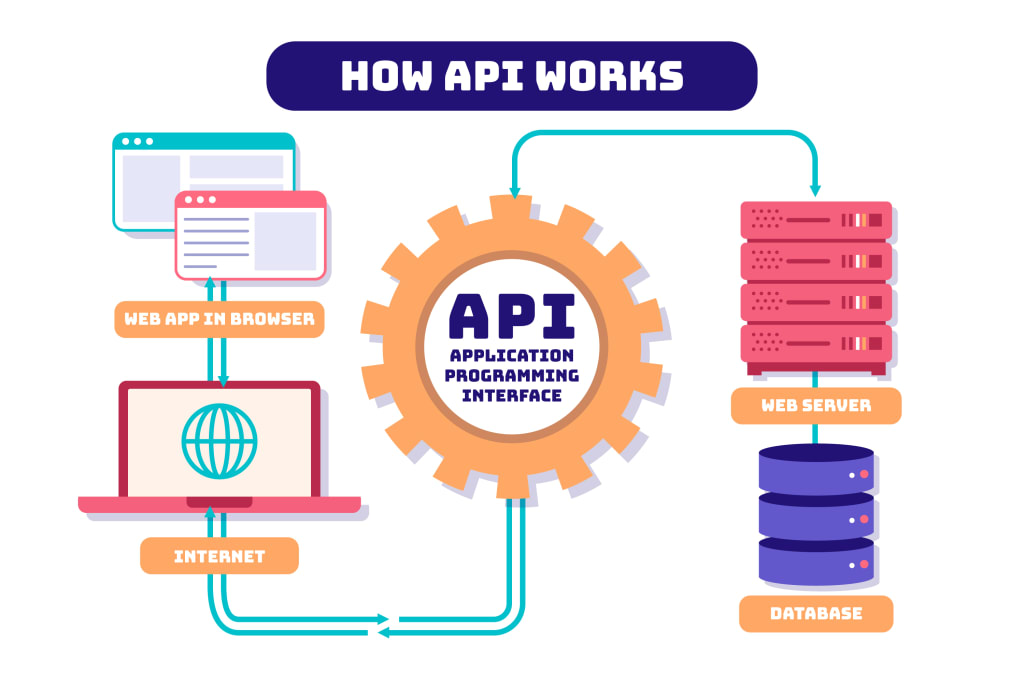
Third-party API integration refers to the process of connecting external services or platforms with your own applications or systems through APIs provided by those external parties. These APIs allow your system to communicate and exchange data with the external service, enabling functionalities such as payment processing, social media integration, data analytics, and more.
For example, integrating a payment gateway like PayPal or Stripe into your eCommerce website is an example of third-party API integration. Instead of building a payment system from scratch, you can leverage the existing capabilities of a trusted provider, offering your users a smooth and secure experience.
The Benefits of Third-Party API Integration
1. Cost and Time Efficiency:
One of the primary advantages of third-party API integration is that it saves development time and costs. Instead of developing a new feature from the ground up, you can integrate an existing service that has already been tested and refined. This allows your development team to focus on other critical aspects of your application.
For instance, if you're building a mobile app that requires map functionality, integrating Google Maps API is far more efficient than developing an in-house mapping system. Not only does this save you time, but it also ensures that you're using a proven, high-quality solution.
2. Access to Advanced Features:
By integrating third-party APIs, businesses can access advanced features and functionalities that would otherwise be difficult or costly to develop in-house. From payment gateways and cloud storage solutions to artificial intelligence and machine learning capabilities, third-party APIs unlock opportunities for innovation without the need for heavy investments in infrastructure or talent.
For example, using Twilio’s API for messaging or Amazon Web Services (AWS) API for cloud storage gives you access to enterprise-grade solutions without the need for deep technical expertise in those areas.
3. Scalability:
Third-party APIs are often provided by companies that specialize in a particular service, meaning their solutions are designed to scale effortlessly as your business grows. Whether you’re expanding your user base, adding new features, or entering new markets, third-party API integration allows you to scale your services without having to worry about capacity or performance limitations.
Cloud-based APIs, in particular, offer unparalleled scalability. Platforms like AWS, Google Cloud, and Microsoft Azure enable businesses to scale resources dynamically based on demand, ensuring a smooth experience for users.
4. Improved User Experience:
API integrations can significantly enhance the user experience by offering seamless, feature-rich interactions. For instance, integrating social media logins through Facebook or Google APIs makes the sign-up process faster and more convenient for users. Similarly, incorporating third-party APIs for customer support, such as Zendesk or Intercom, ensures that users receive timely assistance, boosting satisfaction.
By providing users with familiar, reliable tools and services, businesses can create an experience that feels intuitive and trustworthy.
5. Enhanced Security and Compliance:
Third-party APIs, particularly in areas like payments and data management, are built with security and compliance in mind. Companies like PayPal, Stripe, and Plaid invest heavily in security measures and compliance with regulations such as PCI-DSS (Payment Card Industry Data Security Standard) and GDPR (General Data Protection Regulation).
Integrating these services means that your business can offer a high level of security without the need to build these features from scratch, reducing the risk of vulnerabilities.
Use Cases of Third-Party API Integration
Third-party API integration is utilized across a wide range of industries and applications. Here are some common use cases:
eCommerce Platforms: Integrating payment gateways like PayPal, Stripe, or Square ensures smooth and secure transactions for customers.
Social Media Applications: APIs from platforms like Facebook, Twitter, and LinkedIn enable businesses to embed social sharing, authentication, and content retrieval features.
Messaging Services: APIs from Twilio and WhatsApp allow businesses to send SMS messages, push notifications, and instant messages to users.
Data Analytics: APIs from services like Google Analytics and Mixpanel provide businesses with insights into user behavior and system performance.
Cloud Storage: API integrations with cloud storage providers like Google Drive, Dropbox, or AWS S3 allow for secure, scalable storage solutions.
Best Practices for Successful Third-Party API Integration
To make the most of third-party API integration, follow these best practices:
Choose Reliable APIs: Only use APIs from trusted providers with a proven track record of reliability, security, and scalability.
Ensure Compatibility: Ensure that the API you are integrating is compatible with your existing system architecture.
Monitor Performance: Regularly monitor the performance of integrated APIs to ensure that they continue to meet your business needs.
Understand the Documentation: Thoroughly review the API documentation provided by the third-party service to ensure seamless integration.
Maintain Security: Always implement proper security protocols when integrating APIs, including authentication, encryption, and rate limiting.
Conclusion
Third-party API integration is an essential tool for businesses looking to stay competitive, scale efficiently, and deliver enhanced user experiences. By leveraging existing services, companies can save time, reduce costs, and focus on core operations while offering users powerful, feature-rich applications.
With the right strategy and careful selection of third-party APIs, businesses can unlock a world of possibilities and drive growth in today’s digital age.
About the Creator
Nithin Sethu
Hello, I'm Nithin from Synclovis. Here, I work as a Software Engineer. I would like to share my knowledge of the latest trends and features.
Visit: https://www.synclovis.com
Keep reading
More stories from Nithin Sethu and writers in 01 and other communities.
How to Choose the Best Mobile App Development Company in Canada 2026
Choosing the right app development partner in 2026 isn’t just a procurement decision—it’s a strategic move that can define whether your digital product scales or stalls. The Canadian tech ecosystem has matured rapidly, with agencies offering everything from rapid MVP builds to enterprise-grade platforms powered by AI and cloud-native architectures.
By alan michael4 days ago in 01



Comments
There are no comments for this story
Be the first to respond and start the conversation.