
The Age of Permanent Distraction
Why Most People Are Addicted to Distraction

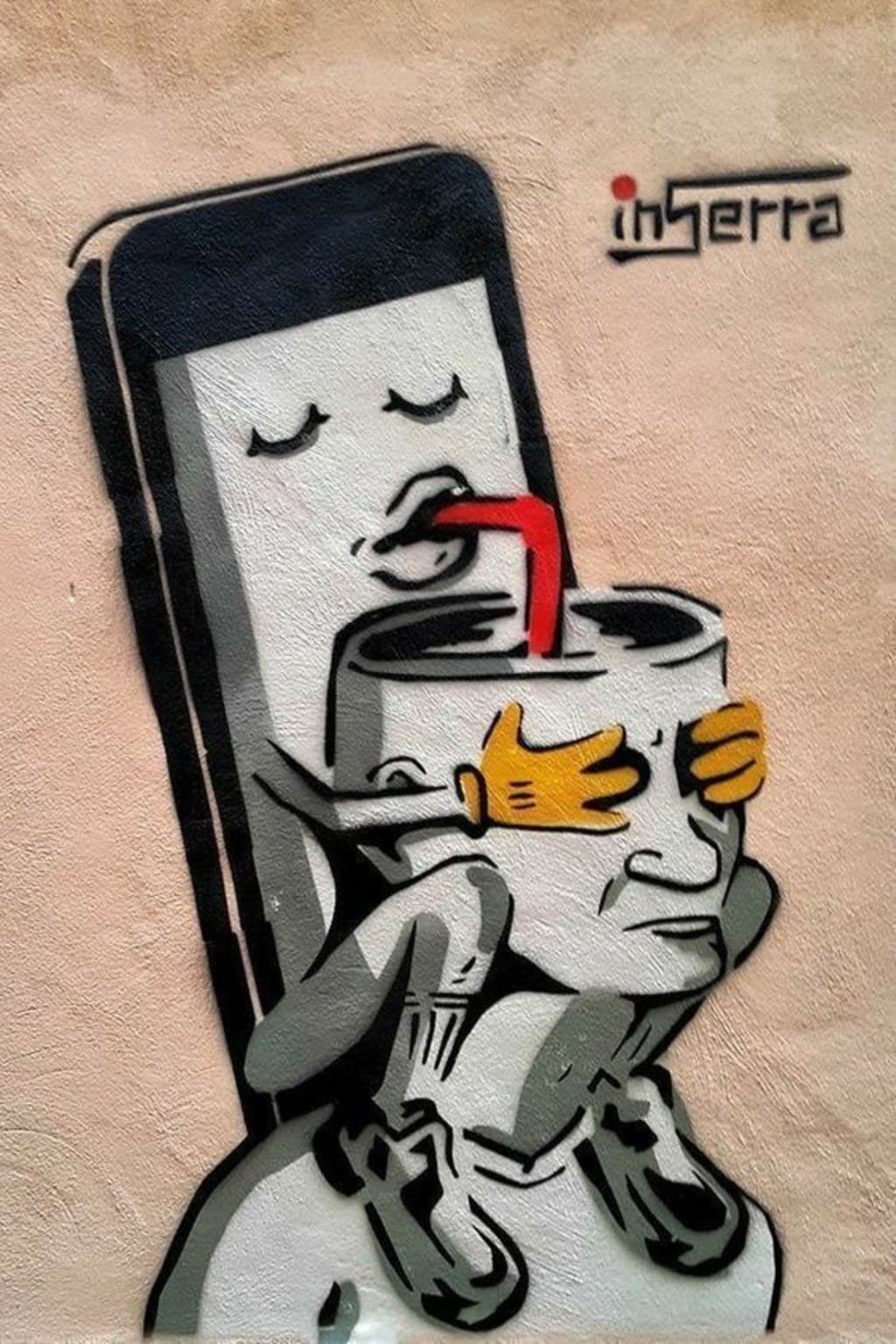
We live in a time where silence feels uncomfortable. Not because silence is dangerous, but because most people have forgotten how to be alone with their own thoughts. The moment boredom appears, a screen lights up. The moment discomfort rises, a notification interrupts it. The moment loneliness whispers, entertainment floods the senses. Distraction has become the default state of modern life. Not as a conscious choice, but as a reflex. People don’t ask themselves if they want to be distracted. They simply are.
This constant stimulation is not accidental. Entire industries are built around capturing and holding your attention. Algorithms learn your habits, your emotional triggers, your weaknesses. They don’t care if you become wiser, healthier, or more fulfilled. They care if you stay scrolling. The longer you remain engaged, the more profitable you are. Your attention has become a product. And most people give it away without realizing its value.
Distraction feels harmless because it provides relief. It gives small bursts of pleasure. Small escapes. Tiny dopamine hits. But relief is not the same as healing. Distraction does not solve problems. It postpones them. It doesn’t eliminate pain. It hides it. Over time, hidden pain grows heavier. Unaddressed questions become louder. Unprocessed emotions turn into numbness. People start feeling empty, restless, and anxious without knowing why. They think something is wrong with them. In reality, they have simply been running from themselves for too long.
Permanent distraction also destroys depth. Deep thinking requires time. Deep relationships require presence. Deep creativity requires boredom. When your mind is constantly jumping from one stimulus to another, it never sinks into anything long enough to develop meaning. Everything becomes shallow. Conversations become surface-level. Goals become vague. Dreams become background noise. Life becomes a blur of moments that don’t fully land.
One of the most dangerous consequences of distraction is that it makes people forget their own power. When you are always consuming, you stop creating. When you are always reacting, you stop directing. When your attention is owned by external forces, your inner world slowly weakens. You become more influenced by trends, opinions, and narratives that you never chose. You think you are forming opinions, but often you are just absorbing them.
Distraction also changes how people experience time. Days feel short. Weeks disappear. Years pass faster than expected. Not because time itself accelerates, but because little of it is truly lived. Presence stretches time. Absence compresses it. When you’re rarely present, life feels like it’s slipping through your fingers. This creates quiet panic. People feel like they’re falling behind, even when they don’t know what they’re chasing.
Breaking free from distraction does not require becoming a monk or deleting every app. It requires intentional friction. Small acts of resistance. Moments where you choose stillness over stimulation. Moments where you sit with discomfort instead of numbing it. Moments where you allow boredom to exist long enough for curiosity to emerge.
At first, silence feels loud. Thoughts rush in. Old memories surface. Uncomfortable questions appear. This is not a sign that something is wrong. It’s a sign that your inner world has been waiting to be heard. Most people mistake this stage for failure and return to distraction. Those who stay discover something important.
Under the noise, there is clarity.
Not perfect clarity.
Not instant enlightenment.
But enough clarity to start making better choices.
You begin noticing what drains you.
What energizes you.
What matters.
What doesn’t.
You start reclaiming your attention.
And attention is the foundation of everything.
Your habits.
Your beliefs.
Your identity.
Your future.
The quality of your life is directly tied to where you place your attention. If your attention is scattered, your life feels scattered. If your attention is intentional, your life gains direction.
Distraction will always exist.
The question is not whether the world will become quieter.
It won’t.
The question is whether you will become more disciplined.
Because in an age designed to steal your focus, the ability to concentrate is a form of rebellion.
The ability to be present is a form of power.
And the ability to sit alone with your own mind is a form of freedom.


Comments
There are no comments for this story
Be the first to respond and start the conversation.