
What Types of Scars Are Suitable for Scar Camouflage Tattoos?
What Types of Scars Are Suitable for Scar Camouflage Tattoos?

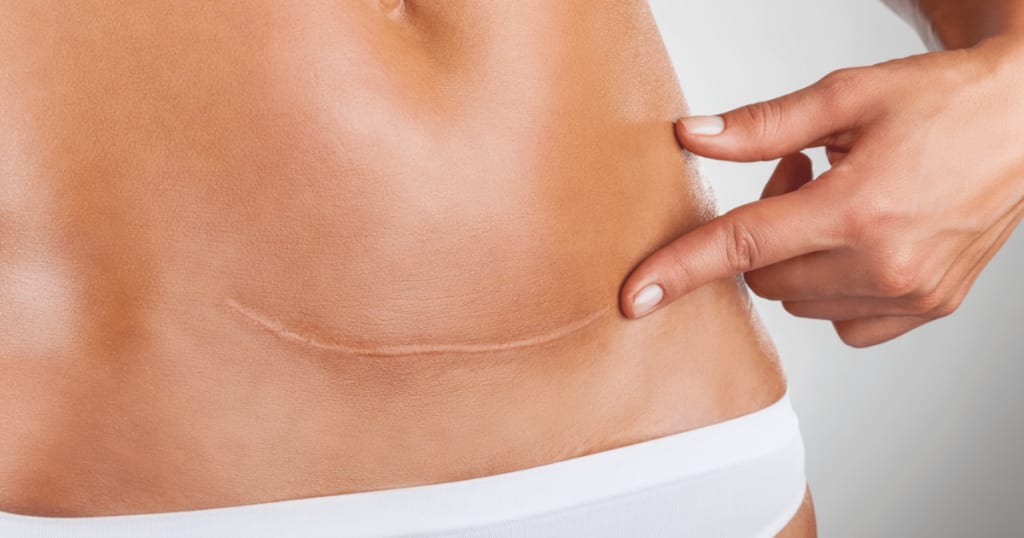
Scarring is a natural part of the healing process after injury, surgery, or skin conditions, but it can often leave behind marks that may affect an individual's confidence or self-esteem. While there are several methods available to treat scars, one increasingly popular approach is scar camouflage tattooing. This form of medical tattooing can help conceal scars by blending them into the surrounding skin tone, making them less noticeable. However, not all scars are suitable for this type of treatment. In this article, we will explore the types of scars that are best suited for camouflage tattoos, how the process works, and why some scars might not be ideal candidates.
Understanding Scar Camouflage Tattoos
Scar camouflage tattoos, also known as medical tattoos, involve using pigment to match the color of the surrounding skin to cover up visible scars. This technique is often used to treat scars resulting from surgery, burns, trauma, or skin conditions such as acne. It’s important to note that this procedure isn’t a typical tattoo, as the goal isn’t to create art or decorative designs but to restore a more natural, even appearance to compromised skin.
The process involves applying pigments that match the skin tone to the scar tissue, creating an illusion of uniform skin. Unlike traditional tattoos, the pigments used in scar camouflage are specialized and designed to blend into the skin rather than sit on the surface. This treatment can offer an effective solution for people who struggle with visible scars and wish to regain their confidence.
Types of Scars Suitable for Camouflage Tattoos
1. Hypertrophic Scars
Hypertrophic scars are thick, raised scars that form due to an overproduction of collagen during the healing process. These scars are often red, inflamed, and raised above the surface of the skin. Hypertrophic scars can result from injuries, surgeries, or even acne.
Are they suitable for scar camouflage tattoos?
Yes, hypertrophic scars are often suitable candidates for scar camouflage tattoos, but the raised nature of these scars presents some challenges. Camouflage tattooing on hypertrophic scars works by using skin-toned pigments to reduce the appearance of redness or discoloration. However, because the scar tissue is raised, it may be more difficult to achieve a completely smooth and even finish. A trained technician will carefully assess the texture of the scar to determine how well the pigment will adhere to the skin. The result is usually a softer, less noticeable scar.
2. Atrophic Scars
Atrophic scars are sunken or pitted scars that form when the skin loses its collagen during the healing process. They are often associated with acne, chickenpox, or surgical procedures. These scars can appear as depressions in the skin, which can make them more noticeable.
Are they suitable for scar camouflage tattoos?
Yes, atrophic scars are also good candidates for scar camouflage tattoos. Since atrophic scars are typically flatter than hypertrophic scars, the tattoo pigments can be applied more evenly across the skin. However, achieving complete camouflage may require multiple sessions, as it may take time to build up the layers of pigment to match the skin tone. Some individuals may also opt for dermal fillers in combination with tattooing to raise the scar tissue slightly, helping to create a more even surface.
3. Keloid Scars
Keloid scars are a type of raised scar that grows beyond the boundaries of the original wound. They are more prominent than hypertrophic scars and often form due to an overproduction of collagen. Keloids can develop from even minor injuries or piercings, and they are most common in people with darker skin tones.
Are they suitable for scar camouflage tattoos?
Keloid scars can be difficult to treat with scar camouflage tattoos. While some people with keloid scars may benefit from this treatment, the raised nature of the scar and its thick texture make it challenging to apply pigments effectively. The tattoo pigments may not settle into the scar tissue as well as they would on hypertrophic or atrophic scars. Additionally, keloid scars may continue to grow, which could alter the appearance of the camouflage tattoo over time.
If you're considering a camouflage tattoo for a keloid scar, it's essential to consult with a professional who has experience working with keloid tissue. In some cases, a combination of treatments, such as laser therapy, steroid injections, or surgery, may be necessary before tattooing to reduce the keloid's size and make it more suitable for tattoo coverage.
4. Stretch Marks
Stretch marks, also known as striae, are a form of scarring that occurs when the skin is stretched rapidly, often due to pregnancy, weight gain, or puberty. They typically appear as long, thin lines that are either red, purple, or white, depending on their age.
Are they suitable for scar camouflage tattoos?
Yes, stretch marks are one of the most common types of scars treated with camouflage tattoos. The technique works well to blend stretch marks into the surrounding skin, particularly when the stretch marks are red or purple (the more recent ones). The pigment can be applied to the lines to match the skin tone, creating a more uniform appearance. Older, white or silvery stretch marks can also be treated, but the results may be less dramatic. Stretch mark camouflage tattoos can improve the appearance significantly, though they may require touch-ups over time, as stretch marks can change in appearance with age or weight fluctuations.
5. Burn Scars
Burn scars can range from superficial to deep and are often associated with significant texture changes in the skin. Burn injuries can leave behind discoloration, tightness, and scarring. The severity of burn scars depends on the degree of the burn (first, second, or third degree).
Are they suitable for scar camouflage tattoos?
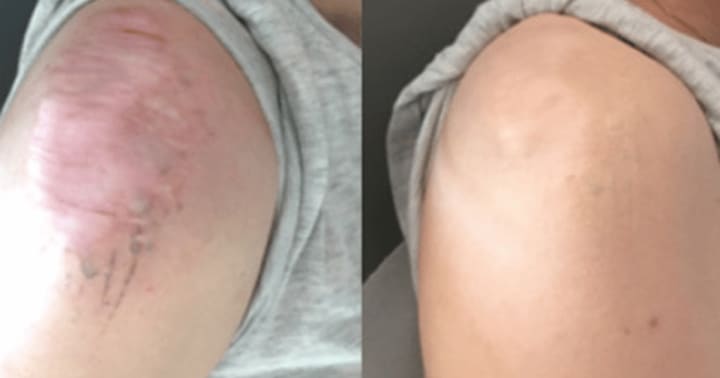
Burn scars are often suitable for camouflage tattooing, especially those that are not overly deep or severely damaged. If the scar tissue is too thick or has lost its elasticity, it may be harder for the tattoo pigments to penetrate and settle correctly. In these cases, additional treatments such as laser therapy may be necessary before tattooing. For less severe burns, the tattoos can help blend discoloration, reduce redness, and smooth out uneven areas, providing a more natural skin appearance.
Types of Scars That May Not Be Suitable for Scar Camouflage Tattoos
While many types of scars can benefit from scar camouflage tattoos, there are certain cases where this technique may not be recommended or may yield less-than-ideal results. These include:
- Active or Healing Scars: Tattoos should not be performed on scars that are still healing or on open wounds. The tattooing process can irritate the skin and potentially cause more scarring or complications.
- Severe Keloids: As mentioned earlier, large, raised keloid scars that continue to grow may not be suitable candidates for camouflage tattoos. The tattoos may not stay in place as the keloid changes shape over time.
- Scars with Active Infections: Any scar or skin area that is infected or inflamed should not be tattooed. It is essential to ensure that the skin is fully healed and free from infection before undergoing the procedure.
The Process of Scar Camouflage Tattooing
Scar camouflage tattooing typically involves several steps:
- Consultation: A trained and certified tattoo artist will assess the scar to determine if it's suitable for the procedure. They will discuss the desired results, skin tone, and scar characteristics to create a personalized plan.
- Pigment Selection: The tattoo artist will select pigments that closely match the skin tone surrounding the scar. For scars that have discoloration (such as red or purple), the artist may choose corrective colors to neutralize the tone.
- Application: Using a specialized tattoo machine, the pigment will be applied to the scar tissue. The artist will work in layers to ensure the pigment blends seamlessly with the skin.
- Aftercare: Proper aftercare is essential for healing and achieving the best results. The tattoo artist will provide instructions on how to care for the treated area to prevent infection and ensure the best possible outcome.
Conclusion
Scar camouflage tattoos offer an excellent option for those looking to conceal scars and improve their appearance. From hypertrophic and atrophic scars to stretch marks and burn scars, this procedure can help blend scars into the surrounding skin, offering a more natural and even look. However, it’s important to work with a skilled and experienced tattoo artist who specializes in medical tattooing to ensure the best results. While many scars are suitable candidates for camouflage tattoos, some may require additional treatments or may not be ideal for this procedure.
For those interested in scar camouflage tattoos, it’s always recommended to consult a professional at a reputable studio such as Elevate You Studio to explore your options and determine the best course of action.
About the Creator
Elevate You Studio
My name is Gina, I am specialized in tattooing on compromised skin such as scars and stretchmarks to improve their appearance using the latest micro-pigmentation tattoo technique.
https://www.elevateyoustudio.com
Keep reading
More stories from Elevate You Studio and writers in 01 and other communities.
Design Ideas for Inkless Tattoos: Unique Art Without the Ink
Tattoos have long been a way for individuals to express themselves, mark milestones, or even create lasting artwork on their bodies. While the conventional tattooing process involves ink being injected into the skin, recent innovations have led to the emergence of a unique form of body art: inkless tattoos. These tattoos offer a fascinating alternative to traditional ink tattoos, blending the art of tattooing with medical skin treatment techniques to improve the skin’s appearance.
By Elevate You Studioabout a year ago in 01
Shadow Fist: An Underground MMA Drama About Survival and Redemption
Set against the gritty backdrop of Mexico City’s underground fighting scene, the film tells the story of Maya Cross, a woman forced to rebuild her life in the most unexpected way — inside an illegal mixed martial arts ring.
By Andreas Szakacs2 days ago in 01
How Long Does App Development Take in St. Louis 2026
St. Louis has solidified its reputation as a "Silicon Prairie" powerhouse. The city has moved beyond its historical manufacturing roots. It is now a sophisticated tech hub. Activity centers around Cortex and the 39 North innovation district. Entrepreneurs and established enterprises have one pressing question. How long does app development take in St. Louis 2026?
By Del Rosario5 days ago in 01



Comments
There are no comments for this story
Be the first to respond and start the conversation.