gadgets
The future is here; discover the latest gadgets and electronics on the market making life a whole lot simpler and cooler.
VALUE OF WEB PRESENSE
What is a Web Presence? A web presence is the digital representation of a company, brand, or personal brand. It's made up of text, images, videos, and music that communicate the brand's identity. Online presence is an integral part of any business's marketing strategy. A well-designed website can help a business succeed in its industry and provide a user-friendly experience to potential customers.
By balamurugan3 years ago in 01
Is using mobile phones for education is a good decision
The integration of technology into education has brought about significant changes in the way students learn and teachers teach. One of the most significant technological advancements in recent years has been the widespread adoption of mobile phones in education. Mobile phones are a ubiquitous part of modern life, and their potential as a tool for education has become increasingly recognized. However, the use of mobile phones in education is not without its benefits and drawbacks. In this blog post, we will explore both the advantages and disadvantages of using mobile phones in education. Benefits of Using Mobile Phones in Education: Access to Information: Mobile phones offer students instant access to a vast amount of information through the internet. With a smartphone, students can quickly search for answers to their questions, research topics, and learn about new things. Improved Communication: Mobile phones provide an effective means of communication between students and teachers. With a mobile phone, students can easily connect with their teachers and classmates to discuss coursework, collaborate on projects, and seek help with assignments. Convenience: With mobile phones, students can access educational materials anytime, anywhere. They can study on-the-go, during commutes, and in between classes, making the most of their time. Interactive Learning: Mobile phones offer a range of interactive learning tools, such as educational apps, games, and quizzes. These tools can help make learning more engaging and enjoyable, while also allowing students to track their progress and identify areas for improvement. Personalization: Mobile phones allow for personalized learning experiences, where students can learn at their own pace, in their own time, and in a way that suits their individual learning styles. Drawbacks of Using Mobile Phones in Education: Distraction: The use of mobile phones in class can be a significant distraction for students. Students may be tempted to use their phones for non-educational purposes, such as texting, checking social media, or playing games, which can disrupt their concentration and negatively impact their learning. Dependence: Over-reliance on mobile phones for education can lead to dependence and addiction. Students may become so accustomed to using their phones to learn that they struggle to learn without them, leading to a lack of focus and motivation. Security Concerns: Mobile phones can pose a security risk in the classroom, as they can be used to cheat on exams or share answers with classmates. Additionally, smartphones are vulnerable to hacking and data breaches, which can compromise sensitive educational information. Inequality: The use of mobile phones in education can create inequality between students who can afford the latest technology and those who cannot. Students who cannot afford smartphones may be left behind, unable to access the same educational resources as their peers. Health Concerns: The overuse of mobile phones can lead to a range of health concerns, including eye strain, headaches, neck pain, and sleep disturbance. Students who spend too much time on their phones may also experience a lack of physical activity, which can lead to obesity and other health problems. Conclusion: In conclusion, the use of mobile phones in education offers many benefits, including improved access to information, improved communication, convenience, interactive learning, and personalization. However, it is not without its drawbacks, including distraction, dependence, security concerns, inequality, and health concerns. To make the most of the benefits of mobile phones in education while minimizing their drawbacks, it is essential to strike a balance between their use and other educational methods. Teachers and educators can provide guidelines for responsible phone use, such as banning phone use during class or setting limits on the amount of time students can spend on their phones. By doing so, they can ensure that mobile phones are used as an effective tool for learning, rather than a distraction or hindrance to education.
By Aman Sharma3 years ago in 01
The impact of mobile phones on our social lives
Mobile phones have become ubiquitous in our daily lives, transforming the way we communicate and interact with one another. While they have undoubtedly brought many benefits, such as increased connectivity and convenience, they have also had a significant impact on our social lives. In this blog, we will explore the ways in which mobile phones have impacted our social lives. Increased Connectivity Mobile phones have made it easier than ever to stay in touch with friends and family. With instant messaging, social media, and video calls, we can communicate with people anywhere in the world at any time. This has made it possible to maintain relationships with people we might not have been able to stay in touch with otherwise. Changed Communication Styles Mobile phones have revolutionised the way we communicate with each other. Before the advent of mobile phones, communication was limited to landline phones, snail mail, and face-to-face conversations. Mobile phones have changed communication styles in several ways. First, they have made communication faster and more efficient. With a mobile phone, you can call, text, or email someone instantly from anywhere in the world. This has made it easier to stay in touch with friends and family who are far away. Secondly, mobile phones have made communication more convenient. With the advent of smartphones, you can do much more than just make calls and send text messages. You can access social media platforms, watch videos, play games, and browse the internet—all from the palm of your hand. This has made it easier to stay connected to the world around you and has also made it easier to stay entertained on the go. Lastly, mobile phones have changed the way we communicate socially. Social media platforms like Facebook, Instagram, and Twitter have become hugely popular, and many people now use them as their primary means of communication. This has changed the way we interact with each other, as we are now able to share our thoughts, feelings, and experiences instantly with a much wider audience. Overall, mobile phones have had a profound impact on the way we communicate with each other, making communication faster, more convenient, and more social. Increased Isolation While mobile phones have certainly revolutionised our ability to stay connected with one another, they have also had the unintended consequence of increasing isolation in some ways. One of the main ways that mobile phones have increased isolation is by reducing face-to-face communication. People are more likely to text or call someone rather than meet with them in person, which can lead to a sense of disconnection and social isolation. Additionally, mobile phones can create a distraction that makes it difficult to fully engage with the people around us. When we are constantly checking our phones or scrolling through social media, we are less likely to be fully present in the moment and engage with the people around us. Finally, mobile phones can contribute to a sense of social comparison and competition, particularly through social media. Seeing other people's highlight reels on social media can lead to feelings of inadequacy or loneliness, even if we are surrounded by people in our everyday lives. Distraction Mobile phones have revolutionised the way we communicate, work, and interact with the world around us. However, this unprecedented level of convenience and connectivity has also brought about a significant downside—increased levels of distraction. With the constant stream of notifications, messages, and calls, mobile phones have made it difficult for people to stay focused on a task or stay present in the moment. The temptation to constantly check one's phone is overwhelming for many, and this behaviour has been linked to decreased productivity, increased stress and anxiety, and even accidents and injuries. In addition, the increasing reliance on mobile phones for entertainment and socialisation has also led to the rise of addiction and compulsive behavior, further exacerbating the problem of distraction. As such, while mobile phones have undoubtedly brought about many benefits, it is important for individuals to be mindful of their use and find ways to manage the distractions that come with them. Cyberbullying The rise of mobile phones and social media has also led to an increase in cyberbullying. People can be targeted with hurtful messages or images, which can have a profound impact on their mental health and well-being. The anonymity of the internet can make it easier for people to engage in bullying behaviour without fear of consequences. In conclusion, mobile phones have had a profound impact on our social lives. While they have increased connectivity and made it easier to stay in touch with others, they have also led to changes in communication styles and increased feelings of isolation and distraction. It is important to be mindful of how we use our phones and to prioritise face-to-face interactions with the people around us.
By Aman Sharma3 years ago in 01
Tips for optimizing your mobile phone battery life
Mobile phones have become an essential part of our daily lives. They have become our go-to device for communication, entertainment, and even productivity. However, the one thing that hampers our experience with our smartphones is their battery life. No matter how great the features of your phone are, if it has poor battery life, it becomes almost useless. In this blog, we will discuss some tips for optimising your mobile phone's battery life: Lower screen brightness: Lowering screen brightness is a simple yet effective way to increase mobile battery life. The screen of a mobile device is one of its most power-hungry components, and reducing its brightness reduces the amount of power it consumes. The brighter the screen, the more energy it requires to display the content, and hence the battery drains faster. By decreasing the screen brightness, you can save a considerable amount of battery power, which can extend the battery life of your mobile device. In addition to saving battery life, lowering screen brightness can also reduce eye strain, especially in low-light conditions. Most modern smartphones have an auto-brightness feature that adjusts the brightness according to ambient light, but manually reducing the brightness can further save power and make the battery last longer. Overall, lowering the screen brightness is a simple yet effective way to conserve battery life, and it's a great habit to adopt if you're looking to maximise the battery life of your mobile device. Turn off location services: Location services are helpful, but they can be battery-consuming as well. Many apps use your phone's GPS to track your location, which can drain your battery quickly. Therefore, it is recommended to turn off location services for apps that don't require them. Close unused apps: Running multiple apps at the same time can drain your phone's battery. Therefore, it is crucial to remove unused apps from the background. You can do this by either closing the apps manually or using the built-in task manager on your phone. Disable push notifications: Push notifications can be distracting, and they can drain your phone's battery life as well. Therefore, it is recommended to disable push notifications for apps that you don't use frequently. Use aeroplane mode: If you are in an area with poor network coverage or don't require your phone for communication, you can use aeroplane mode. This mode disables all wireless connections and can save a significant amount of battery life. Turn off the vibration. Vibration can be useful, but it also consumes a considerable amount of battery life. Therefore, it is recommended to turn off vibration for notifications and calls. Use power-saving mode: Most modern smartphones have a power-saving mode that can extend the battery life of your phone. This mode disables some features and reduces performance, but it can help you get through the day with a single charge. Avoid extreme temperatures: Extreme temperatures, both hot and cold, can affect the battery life of your phone. Therefore, it is recommended to avoid exposing your phone to extreme temperatures. Use the original charger: Using a third-party charger can negatively affect the battery life of your phone. Therefore, it is recommended that you use the original charger that came with your phone. Replace your battery: If your phone's battery life has significantly reduced, you can replace the battery. Most smartphones have a replaceable battery, but some don't. If your phone's battery is not replaceable, you can take it to an authorised service centre for battery replacement. In conclusion, optimising your mobile phone's battery life is essential to getting the most out of your smartphone. The tips mentioned above can help you extend the battery life of your phone significantly. By following these tips, you can avoid the frustration of running out of battery life when you need your phone the most.
By Aman Sharma3 years ago in 01
A guide to mobile phone accessories: what you need and what you don't
Mobile phones have become an essential part of our lives, and we use them for various purposes, from calling and texting to browsing the internet, taking photos, and playing games. However, using a phone without the right accessories can make it less convenient and less enjoyable. In this blog, we will discuss the essential mobile phone accessories that you need and the ones that you don't. What You Need: Phone Case Phone cases are an essential accessory for modern smartphones, providing protection and functionality for these expensive devices. While smartphones are designed to be durable and withstand daily use, they are still susceptible to accidental drops, bumps, and scratches. A phone case provides an additional layer of protection that can prevent damage to the phone's fragile screen and internal components. This protection is especially important for users who frequently carry their phone in their pocket or purse or use it in a variety of environments. Phone cases can also offer additional features such as water resistance, shock absorption, and an anti-slip grip. A waterproof case can protect a phone from damage caused by accidental spills or immersion in water, while a shock-absorbing case can protect the phone from drops and impacts. An anti-slip grip can help prevent the phone from slipping out of your hand, reducing the likelihood of accidental drops. In addition to providing protection, phone cases can also be a stylish accessory that reflects the owner's personal style. Cases come in a wide range of colors, designs, and materials, allowing users to express their individuality and make their phone stand out from the crowd. Screen Protector A screen protector is another must-have accessory that safeguards your phone's display from scratches, cracks, and smudges. There are two types of screen protectors: plastic and tempered glass. Plastic protectors are cheaper but less durable, while tempered glass protectors are more expensive but offer better protection and clarity. Charger A charger is an essential accessory that allows you to charge your phone's battery whenever it runs out of power. When buying a charger, make sure it is compatible with your phone's model and has a suitable wattage. Avoid using cheap or counterfeit chargers, as they can damage your phone or even cause a fire. Headphones or Earbuds Headphones or earbuds are necessary accessories that let you listen to music, watch videos, and make calls without disturbing others. When choosing headphones or earbuds, consider the sound quality, comfort, and durability. Wireless earbuds are becoming more popular as they offer more freedom of movement and a sleeker look. What You Don't Need: Pop Sockets Pop sockets are small grips that stick to the back of your phone, allowing you to hold it more securely or prop it up on a flat surface. While they can be useful, pop sockets can also add bulk to your phone and make it harder to fit into pockets or cases. Selfie Sticks Selfie sticks are extendable rods that allow you to take photos from a distance or capture a wider angle. While they can be useful for group shots or travel photos, they can also be awkward to use and draw unwanted attention. Phone Rings Phone rings are small circles that stick to the back of your phone, allowing you to hold it more securely or prop it up on a surface. While they can be useful, phone rings can also add bulk to your phone and make it harder to fit into pockets or cases. Bluetooth Keyboards Bluetooth keyboards are portable keyboards that connect to your phone via Bluetooth, allowing you to type more comfortably and efficiently. While they can be useful for long emails or documents, they can also be bulky and inconvenient to carry around. In conclusion, mobile phone accessories can enhance your phone's functionality, style, and protection. However, not all accessories are necessary, and some can even be more trouble than they're worth. By choosing the right accessories and avoiding unnecessary ones, you can optimize your phone experience and make the most out of your device.
By Aman Sharma3 years ago in 01
How to choose the right mobile phone for your needs
Choosing the right mobile phone can be a daunting task, given the vast array of options available in the market today. With each new model offering unique features and capabilities, it can be difficult to determine which phone is the best fit for your needs. However, with some careful consideration and research, you can find a mobile phone that will meet your requirements and provide you with an optimal user experience. Here are some factors to consider when choosing the right mobile phone for your needs: Operating System (OS) The operating system of your mobile phone is the software that powers it and determines its user interface. The most popular mobile operating systems are Android and iOS, with other alternatives like Windows and Blackberry OS still available but less popular. Android is used by many smartphone manufacturers like Samsung, OnePlus, and Google, while iOS is exclusively used by Apple. Consider which OS you are most comfortable with and the level of compatibility you need with other devices and apps. Screen Size and Display The size and quality of your mobile phone's screen can have a significant impact on your user experience. A larger screen can be ideal for activities like gaming, watching videos, and browsing the web, while a smaller screen may be more comfortable for one-handed use. Additionally, consider the screen resolution and the quality of the display. A higher resolution will provide you with sharper images and more vibrant colors. Camera Many people use their mobile phones as their primary camera, so the quality of the camera is an essential factor to consider. Look for a phone with a high-quality rear camera and a front camera that suits your selfie needs. If you are a photo enthusiast, look for features like optical image stabilization and multiple lenses for versatile photo and video shooting. Battery Life Battery life is a crucial factor to consider when choosing a smartphone. It is frustrating to have a phone that runs out of battery quickly, especially when you need it the most. A smartphone with a long battery life can keep you connected and productive throughout the day without the need for constant charging. Battery life is affected by various factors such as the size of the battery, screen size and resolution, processor efficiency, and how frequently you use your phone. Therefore, it is important to consider these factors when choosing a smartphone to ensure that you get a device with a battery life that meets your needs. Additionally, having a long battery life can also help you save money by reducing the need to replace your phone's battery or purchase a new phone altogether. It is also better for the environment, as it reduces the amount of electronic waste that ends up in landfills. Performance and Storage Performance and storage are two critical factors that one must consider when choosing a smartphone. The performance of a smartphone refers to its ability to execute tasks efficiently and quickly, such as running apps, browsing the web, or multitasking. A smartphone with a fast processor and adequate RAM will provide a smooth and responsive user experience, while a sluggish one may lead to frustration and reduced productivity. Additionally, a smartphone with good performance will be able to handle more demanding apps and software updates in the future, making it a more future-proof investment. Storage capacity is also crucial when choosing a smartphone. With the increasing size of apps and multimedia files, having ample storage on your phone can make a significant difference in your user experience. A smartphone with more storage allows for the storage of more apps, photos, videos, and other files without the need to constantly delete them to free up space. Furthermore, with the rise of cloud-based services and the ability to access files remotely, having adequate storage on your phone is even more important. Price Price is an important consideration when choosing a smartphone because it directly impacts the value you receive for your investment. Smartphones can vary greatly in price, from budget models to high-end devices that cost thousands of dollars. The price of a smartphone will often reflect the features and capabilities it offers, such as the quality of the camera, the size and resolution of the screen, the amount of storage, and the processing power of the device. Additionally, the price of a smartphone can also be influenced by the brand, the operating system, and the overall build quality. While it's important to choose a smartphone that meets your needs and preferences, it's also crucial to stay within your budget to ensure that you're getting the best value for your money. Ultimately, weighing the price against the features and capabilities of a smartphone is crucial to making an informed decision that will meet your needs and provide the best possible value for your investment. In conclusion, choosing the right mobile phone requires careful consideration of several factors, including the operating system, screen size and display, camera, battery life, performance and storage, and price. By considering these factors and conducting research, you can find a mobile phone that meets your requirements and provides you with a smooth and optimal user experience.
By Aman Sharma3 years ago in 01
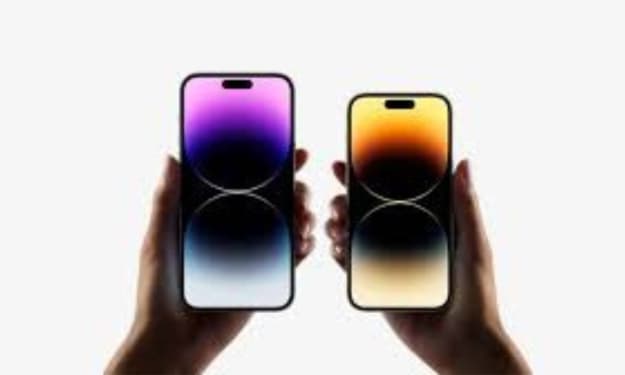
"Anticipating the Future of iPhone 14: Potential Features and Improvements
"What are the main future in iPhone 14" Introduce the topic of potential features in the iPhone 14 Apple's iPhone 14 is expected to be released in September 2023, and while there have been no official announcements yet, rumors and speculations have already started surfacing about the potential features and improvements that could be included in the next iteration of the iPhone. Here are some of the features and improvements that we can expect from the iPhone 14.
By deepak sanjay3 years ago in 01
Title: Game Over: The Perils of Video Game Addiction
John had always been an avid gamer. Ever since he was a child, he spent countless hours playing his favorite games, immersing himself in virtual worlds and thrilling adventures. As he grew older, his passion for gaming only grew stronger, and he spent more and more time in front of his computer screen.
By Vishalraj M3 years ago in 01
Top 10 mobile phones of the year
Mobile phones have become an integral part of our lives. They have revolutionised the way we communicate, work, and entertain ourselves. With so many new phones hitting the market every year, it can be challenging to keep up with the latest technology. In this blog, we'll be highlighting the top 10 mobile phones of the year. iPhone 13 Pro Max Apple's iPhone 13 Pro Max is the company's latest flagship device, and it's packed with features. The phone has a stunning 6.7-inch Super Retina XDR display, a powerful A15 Bionic chip, and up to 1TB of storage. It also has a triple-camera setup that takes stunning photos and videos. Samsung Galaxy S21 Ultra The Samsung Galaxy S21 Ultra is another flagship device that packs a punch. It has a massive 6.8-inch Dynamic AMOLED 2X display, a powerful Exynos 2100 chip, and up to 16GB of RAM. The phone also has a quad-camera setup that takes amazing photos and videos. Google Pixel 6 Pro The Google Pixel 6 Pro is the latest device from Google and comes with a 6.7-inch QHD+ AMOLED display, a powerful Tensor chip, and up to 12GB of RAM. The phone also has a dual-camera setup that takes stunning photos and videos. OnePlus 9 Pro The OnePlus 9 Pro is a flagship device that offers a 6.7-inch Fluid AMOLED display, a powerful Snapdragon 888 chip, and up to 12GB of RAM. The phone also has a quad-camera setup that takes amazing photos and videos. Xiaomi Mi 11 Ultra The Xiaomi Mi 11 Ultra is a flagship device that offers a massive 6.81-inch AMOLED display, a powerful Snapdragon 888 chip, and up to 12GB of RAM. The phone also has a triple-camera setup that takes stunning photos and videos. Oppo Find X3 Pro The Oppo Find X3 Pro is a flagship device that offers a 6.7-inch AMOLED display, a powerful Snapdragon 888 chip, and up to 12GB of RAM. The phone also has a quad-camera setup that takes amazing photos and videos. Sony Xperia III The Sony Xperia 1 III is a flagship device that offers a 6.5-inch 4K HDR OLED display, a powerful Snapdragon 888 chip, and up to 12GB of RAM. The phone also has a triple-camera setup that takes stunning photos and videos. Samsung Galaxy Z Fold 3 The Samsung Galaxy Z Fold 3 is a foldable device that offers a massive 7.6-inch Dynamic AMOLED 2X display, a powerful Snapdragon 888 chip, and up to 12GB of RAM. The phone also has a triple-camera setup that takes amazing photos and videos. iPhone 13 The iPhone 13 is Apple's latest non-Pro device and comes with a 6.1-inch Super Retina XDR display, a powerful A15 Bionic chip, and up to 1TB of storage. The phone also has a dual-camera setup that takes stunning photos and videos. Google Pixel 6 The Google Pixel 6 is the non-Pro version of the Pixel 6 Pro and comes with a 6.4-inch Full HD+ AMOLED display, a powerful Tensor chip, and up to 8GB of RAM. The phone also has a dual-camera setup that takes amazing photos and videos. Display: The Pixel 6 is rumoured to have a larger display than its predecessor, the Pixel 5. It may also feature a higher refresh rate and a higher resolution. Processor: The Pixel 6 is expected to be powered by Google's own custom processor, known as "Whitechapel." Camera: The Pixel series is known for its exceptional camera quality, and the Pixel 6 is rumoured to have an improved camera setup. It may feature a dual-camera setup with larger sensors and improved low-light performance. Design: The Pixel 6 is expected to have a redesigned body with a new camera bump and a more modern look. 5G: The Pixel 6 is expected to support 5G connectivity. Battery: The Pixel 6 is rumoured to have a larger battery than the Pixel 5, which should provide longer battery life. In conclusion, these are the top 10 mobile phones of the year. All of these devices offer a unique set of features,
By Aman Sharma3 years ago in 01
4K resolution: What to expect from the Samsung Quantum Dot display
4K resolution is on the rise, and that means more details and clarity for your displays. When you factor in the quantum dots used in most Samsung displays, you can expect significant improvements in color reproduction and viewing angle. If you're looking to upgrade your display or just want a higher resolution for photos, check out our roundup of the best 4K resolution TVs.
By Anandkumar 3 years ago in 01