
Sustainability and Environmental Impact of Precast Concrete Plants for Sale
How Precast Concrete Plants Promote Eco-Friendly Construction Practices and Minimize Environmental Impact

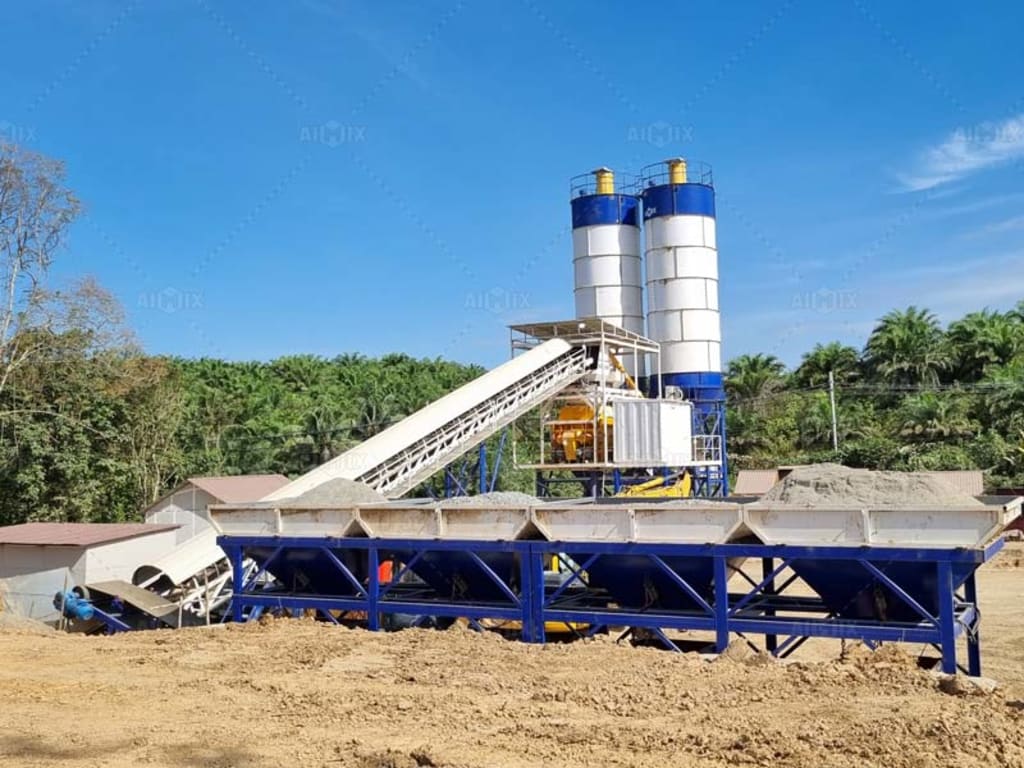
As environmental concerns grow, industries worldwide are seeking more sustainable practices to reduce their carbon footprints and mitigate their impact on natural resources. The construction industry, a significant contributor to environmental challenges, is no exception. Precast concrete plants, known for producing various concrete components off-site, play a vital role in this shift toward sustainability. These plants are becoming increasingly popular as they offer both environmental and economic benefits. This article explores the sustainability and environmental impact of precast concrete plants for sale, highlighting how they contribute to eco-friendly construction practices and a greener future.
What is a Precast Concrete Plant?
A precast concrete plant is a facility where concrete components, such as beams, walls, slabs, and columns, are manufactured in a controlled environment before being transported to a construction site. This method contrasts with traditional on-site concrete pouring, where materials are mixed and cast at the construction location. Precast concrete offers several advantages, including better quality control, faster construction timelines, and increased durability.
Precast concrete plants are designed to mass-produce a variety of concrete elements, offering versatility for large infrastructure projects, commercial buildings, and residential developments. As these plants continue to gain popularity, their impact on sustainability and the environment becomes a critical consideration for both construction companies and environmental advocates.
Sustainability Benefits of Precast Concrete Plants
Reduction of Material Waste
One of the most significant sustainability benefits of precast concrete plants is the reduction of material waste. Traditional on-site concrete pouring often results in leftover material that cannot be reused, leading to significant waste. In contrast, precast plants operate with highly controlled processes that allow for precise measurements of materials, minimizing excess production.
Moreover, any leftover concrete from a precast plant can be recycled. Many plants have systems in place to collect and reuse water, aggregate, and cement from unused concrete, reducing the environmental impact of raw material consumption. This not only conserves resources but also reduces the amount of construction waste that ends up in landfills.
Energy Efficiency
Precast concrete plants are designed to be energy-efficient, reducing the overall energy consumption associated with concrete production. In a controlled manufacturing environment, the energy required to mix, mold, and cure concrete elements is optimized. Many modern precast plants integrate energy-saving technologies, such as advanced mixers, curing systems, and recycling processes, to further minimize their energy use.
Additionally, by producing concrete elements off-site and transporting them to the construction site, precast concrete reduces the need for energy-intensive on-site activities, such as concrete mixing and curing, which often require temporary facilities and additional fuel consumption.
Lower Emissions
The concrete industry is often scrutinized for its carbon emissions, particularly due to the production of cement, a major component of concrete. Precast concrete plants help address this challenge by improving the efficiency of the production process. The controlled environment in a precast plant reduces the need for repeated mixing and handling, resulting in lower emissions compared to traditional on-site methods.
Furthermore, transportation emissions can also be minimized. Since precast concrete elements are produced to precise specifications, they can be transported in fewer trips and with optimized logistics, reducing the carbon footprint associated with moving materials to the construction site.
Improved Durability and Longevity
Sustainability in construction is not just about reducing immediate environmental impacts; it also involves creating long-lasting, resilient structures that require minimal maintenance and replacements. Precast concrete is known for its durability and strength, making it an ideal material for buildings and infrastructure that need to withstand the test of time.
The long lifespan of precast concrete components means that structures built using these elements require fewer repairs and replacements over time. This longevity translates into less demand for new raw materials and less waste generated from demolition or reconstruction, further enhancing the environmental benefits of precast concrete plants. To know further about mixing plants, you are advised to check Aimix batching mixing plants for details.
Environmental Impact of Precast Concrete Plants
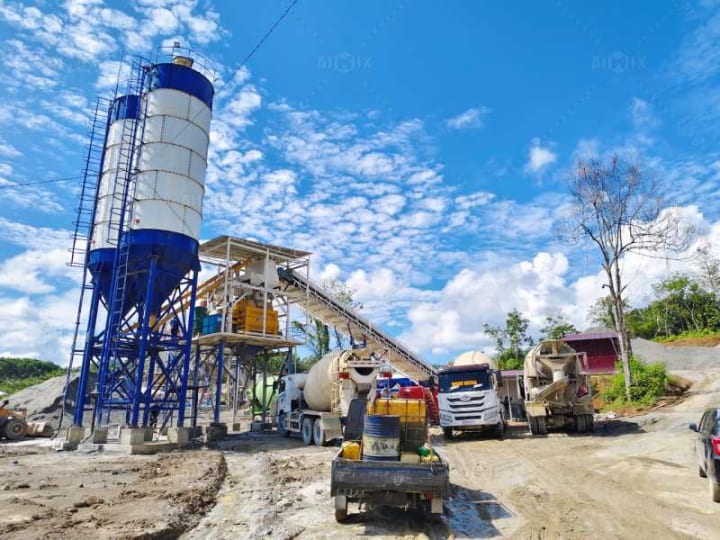
While precast concrete plants offer numerous sustainability benefits, it is essential to consider their potential environmental impact. Like any industrial facility, these plants can have negative consequences if not properly managed.
Resource Consumption
The production of concrete relies heavily on raw materials such as cement, aggregate, and water. While precast concrete plants are more efficient than traditional methods, they still consume significant amounts of these resources. Cement production, in particular, is energy-intensive and emits large amounts of CO2. However, many precast plants are actively working to reduce their reliance on traditional cement by using alternative materials, such as fly ash and slag, which are byproducts of other industries and have a lower carbon footprint.
Water Usage
Water is a critical component in concrete production, and excessive water usage can strain local water resources, especially in areas facing drought or water shortages. Precast concrete plants can mitigate this impact by using advanced water recycling systems. These systems allow plants to capture and reuse water throughout the production process, significantly reducing the amount of freshwater required. This helps lessen the environmental strain while supporting more sustainable practices.
Pollution and Emissions
While precast plants are generally more environmentally friendly than on-site concrete production, they can still generate pollution, including dust, noise, and emissions. To mitigate these effects, many modern precast plants incorporate dust collection systems, soundproofing measures, and emission control technologies. Moreover, plant operators are encouraged to comply with environmental regulations and industry standards to minimize their impact on local ecosystems and communities.
Conclusion
The growing demand for sustainable construction solutions is driving the popularity of precast concrete plants for sale. These plants offer a range of environmental benefits, from reducing material waste and energy consumption to lowering emissions and improving the durability of concrete structures. However, it is essential to recognize that proper management and continued innovation are necessary to minimize the potential environmental impact of precast concrete plants.
As the construction industry moves toward greener practices, precast concrete plants will remain key players in creating a more sustainable future. By adopting energy-efficient technologies, recycling materials, and optimizing processes, these plants contribute to a reduction in the overall environmental footprint of concrete production while supporting the development of resilient, long-lasting structures.
About the Creator
consrtuctionmachines
AIMIX is a customer-center-oriented heavy equipment manufacturer and supplier, devoted to production, innovation, combination, one-stop solution, etc.
https://aimixgroup.com/
Keep reading
More stories from consrtuctionmachines and writers in 01 and other communities.
How Stationary Concrete Plants Boost Sustainability in Modern Construction
Sustainability has become a central focus in construction as industries worldwide strive to reduce their environmental impact. The need for eco-friendly practices is growing, driven by increasing awareness of climate change, regulatory pressures, and the pursuit of more sustainable business operations. One area where significant improvements are being made is in concrete production. Stationary concrete plants, with their advanced technology and optimized processes, are playing a critical role in helping the construction industry meet sustainability goals.
By consrtuctionmachinesabout a year ago in 01
🔋 Hydrogen Fuel: Powering the Future of Clean Energy
As the world searches for cleaner, more sustainable energy sources, hydrogen fuel has emerged as one of the most exciting contenders ⚡. Often described as the fuel of the future, hydrogen promises zero emissions at the point of use, high energy efficiency, and versatility across multiple industries. But what exactly is hydrogen fuel, how does it work, and can it truly replace fossil fuels? Let’s explore 🚀.
By Toader Adelin2 days ago in 01
House Cleaning Scopes That Keep Results Consistent
A clean home feels simple until you try to keep it that way during a busy month. Work deadlines, school schedules, pets, and visitors stack up. Dust returns faster than expected. Bathrooms show water spots. Kitchen grease builds around the stove. Many homeowners hire cleaning help, then feel unsure about what to request and how to judge quality.
By Jared Benning5 days ago in 01



Comments
There are no comments for this story
Be the first to respond and start the conversation.