
The Power and Potential of Supercomputers
Supercomputers are the most powerful and advanced computers available, capable of performing massive calculations and simulations that would be impossible for traditional computers. They are used in a wide range of fields, including scientific research, weather forecasting, financial modeling, and more. In this article, we'll explore what makes supercomputers so powerful, how they're used, and some of the challenges associated with building and operating these complex machines.
What is a Supercomputer?
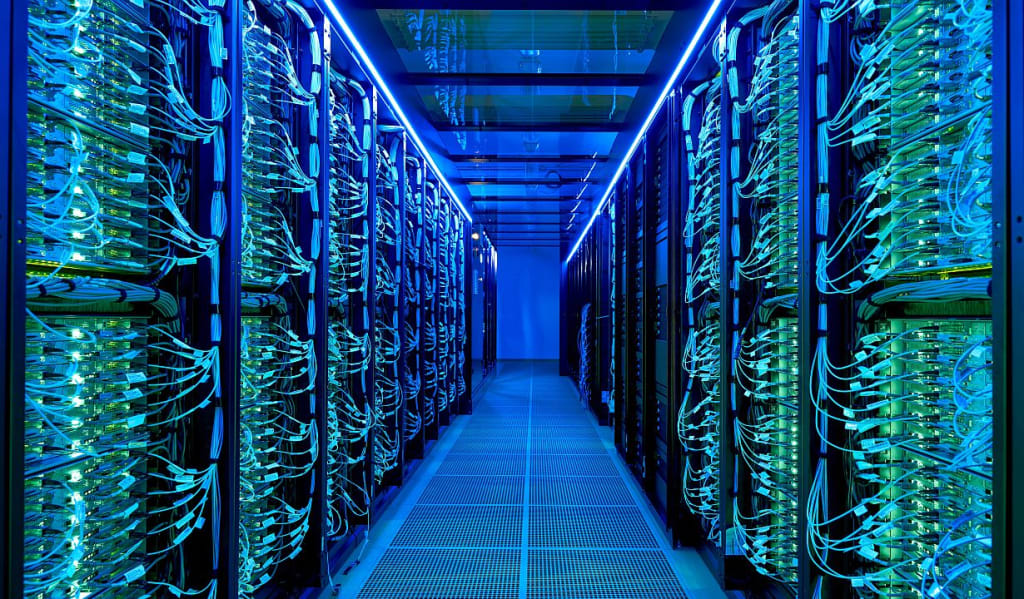
A supercomputer is a high-performance computing system designed to solve complex problems that require large amounts of processing power and memory. They are typically made up of thousands of processors working in parallel to solve a single problem. These processors are connected by a high-speed network and are controlled by specialized software designed to distribute tasks and manage the flow of data between processors.
Supercomputers come in a variety of forms, including clusters of servers, specialized computer chips, and custom-built systems designed for specific tasks. Some of the most powerful supercomputers in the world are located at national laboratories and research institutions, including Oak Ridge National Laboratory's Summit, Lawrence Livermore National Laboratory's Sierra, and the Chinese Tianhe-2A.
What Makes Supercomputers So Powerful?
The power of supercomputers comes from their ability to perform a massive number of calculations simultaneously. By breaking down a problem into smaller pieces and distributing those pieces across thousands of processors, a supercomputer can solve a problem much faster than a traditional computer.
Supercomputers are also equipped with specialized hardware and software designed to handle massive amounts of data. For example, some supercomputers use high-speed solid-state drives (SSDs) to quickly read and write data, while others use specialized graphics processing units (GPUs) to perform complex mathematical calculations.
How are Supercomputers Used?
Supercomputers are used in a wide range of fields, including scientific research, weather forecasting, financial modeling, and more. Here are a few examples of how supercomputers are used in different fields:
Scientific Research: Supercomputers are used to simulate and model complex physical systems, such as climate patterns, nuclear reactions, and protein folding. By simulating these systems, researchers can better understand how they work and develop new theories and treatments.
Weather Forecasting: Supercomputers are used to simulate weather patterns and make accurate predictions about future weather conditions. This is done by analyzing data from satellites, weather stations, and other sources and using complex algorithms to model the interactions between different weather systems.
Financial Modeling: Supercomputers are used to model complex financial systems, such as stock markets and economic trends. By analyzing data and running simulations, analysts can make predictions about future trends and develop investment strategies.
Challenges of Building and Operating Supercomputers
Building and operating a supercomputer is a complex and challenging task that requires specialized knowledge and expertise. Here are some of the challenges associated with building and operating supercomputers:
Cost: Supercomputers are incredibly expensive to build and operate. The most powerful supercomputers can cost hundreds of millions of dollars to build, and the ongoing operating costs can be significant.
Power Consumption: Supercomputers consume massive amounts of power, which can be a significant operational cost. In addition, the high power consumption can place a strain on local power grids, which can limit where supercomputers can be located.
Heat Dissipation: Supercomputers generate a significant amount of heat, which can damage the hardware and limit performance. Specialized cooling systems are required to dissipate the heat generated by a supercomputer and maintain optimal performance.
Software Development: Developing software for supercomputers is a complex and time-consuming task that requires specialized knowledge and expertise.
Here are some additional points on the challenges of building and operating supercomputers:
Hardware Reliability: Supercomputers are made up of thousands of individual components, which can fail or malfunction. Ensuring the reliability of these components and the overall system is a significant challenge, as any failure can significantly impact performance.
Programming: Writing software that can effectively run on a supercomputer is a significant challenge. Supercomputers require specialized software that can distribute tasks across thousands of processors, manage the flow of data between processors, and ensure that each processor is working in sync with the others.
Data Management: Supercomputers generate massive amounts of data, which must be stored, managed, and analyzed. This requires specialized software and hardware to handle the volume of data and ensure that it can be accessed quickly and efficiently.
Security: Supercomputers are often used to process sensitive data, such as medical records or financial information. Ensuring the security of this data is a significant challenge, as any breach can have significant consequences.
Conclusion
Supercomputers are powerful tools that are changing the way we approach complex problems. Whether it's modeling climate patterns, predicting financial trends, or developing new medical treatments, supercomputers are helping us push the boundaries of what's possible.
However, building and operating supercomputers is a complex and challenging task that requires significant expertise and investment. As we continue to push the limits of what supercomputers can do, we'll need to overcome these challenges and continue to develop new technologies and techniques to ensure that these machines can operate at peak performance.
About the Creator
Keep reading
More stories from Hüseyin Kahveci and writers in 01 and other communities.
Open Source Operating System
Introduction: In recent years, open source operating systems have gained popularity among users and developers around the world. The term "open source" refers to the philosophy of making software accessible and transparent to its users, allowing them to see how the software works and to modify it as they see fit. In this article, we will explore what open source operating systems are, how they work, and what benefits they offer.
By Hüseyin Kahveci3 years ago in 01
Twitter Down
Twitter Down When a major social media platform like Twitter experiences technical problems, millions of users immediately search for answers. Twitter, also known as X, plays a central role in news sharing, public discussion, and real time updates, so even short disruptions can feel significant. Recently, many users have reported difficulties accessing Twitter, loading timelines, posting content, or using certain features. This has led to widespread questions about whether Twitter is down, why it happens, and what users should expect. This article answers the most common questions people search for and explains the situation clearly.
By America today 4 days ago in 01



Comments
There are no comments for this story
Be the first to respond and start the conversation.